




The United Nations Office for Project Services (UNOPS)
One woman’s efforts to improve rural sanitation in an Indian village
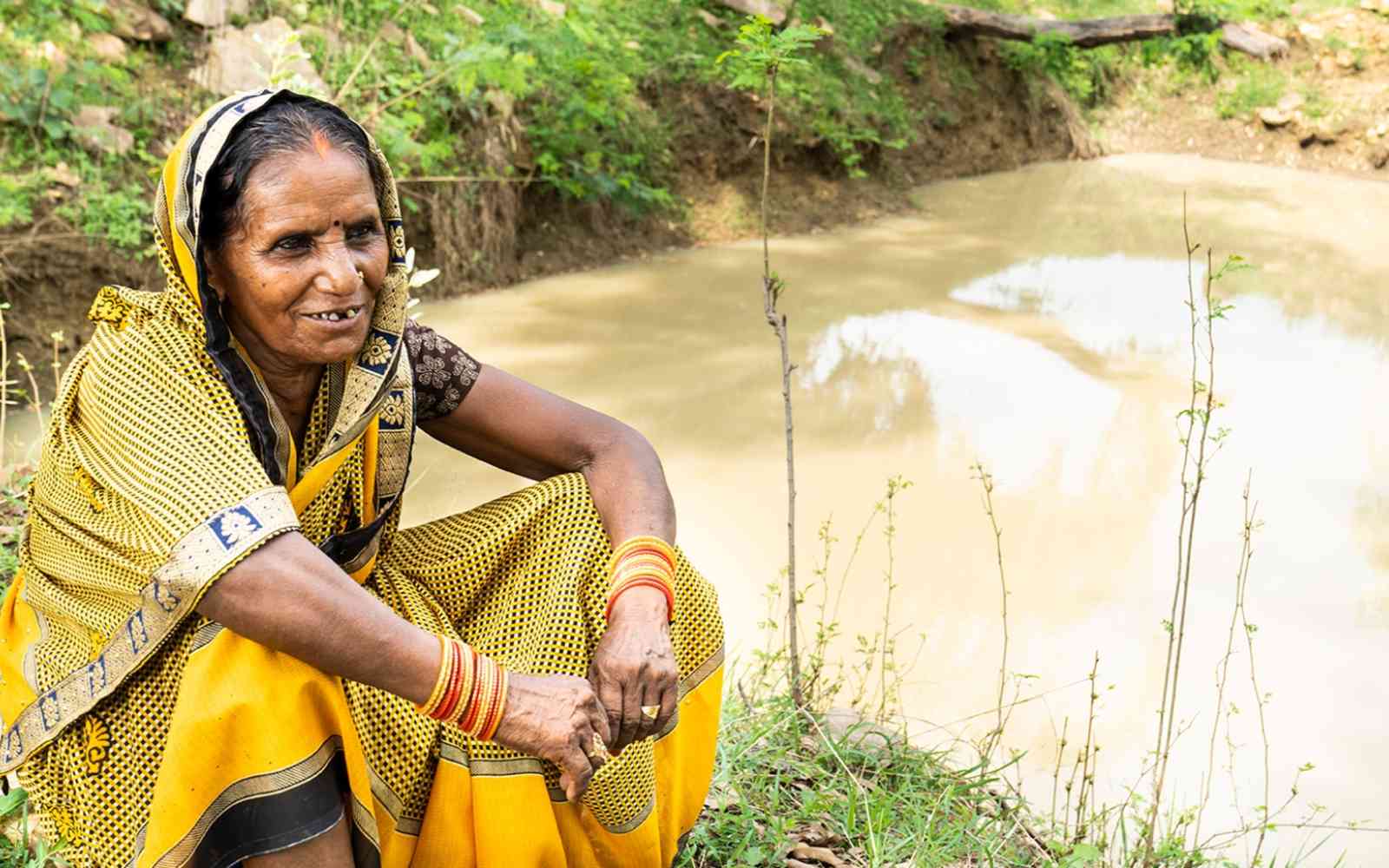
In a rural area of West Bengal, India, many families’ access to safe toilets has been limited, especially for the poorest households who depend on small farms and forest produce to survive.
For women and girls, the lack of proper sanitation has meant daily risks to their safety, privacy and health.
Churamani Hemram, 40, decided this had to change.
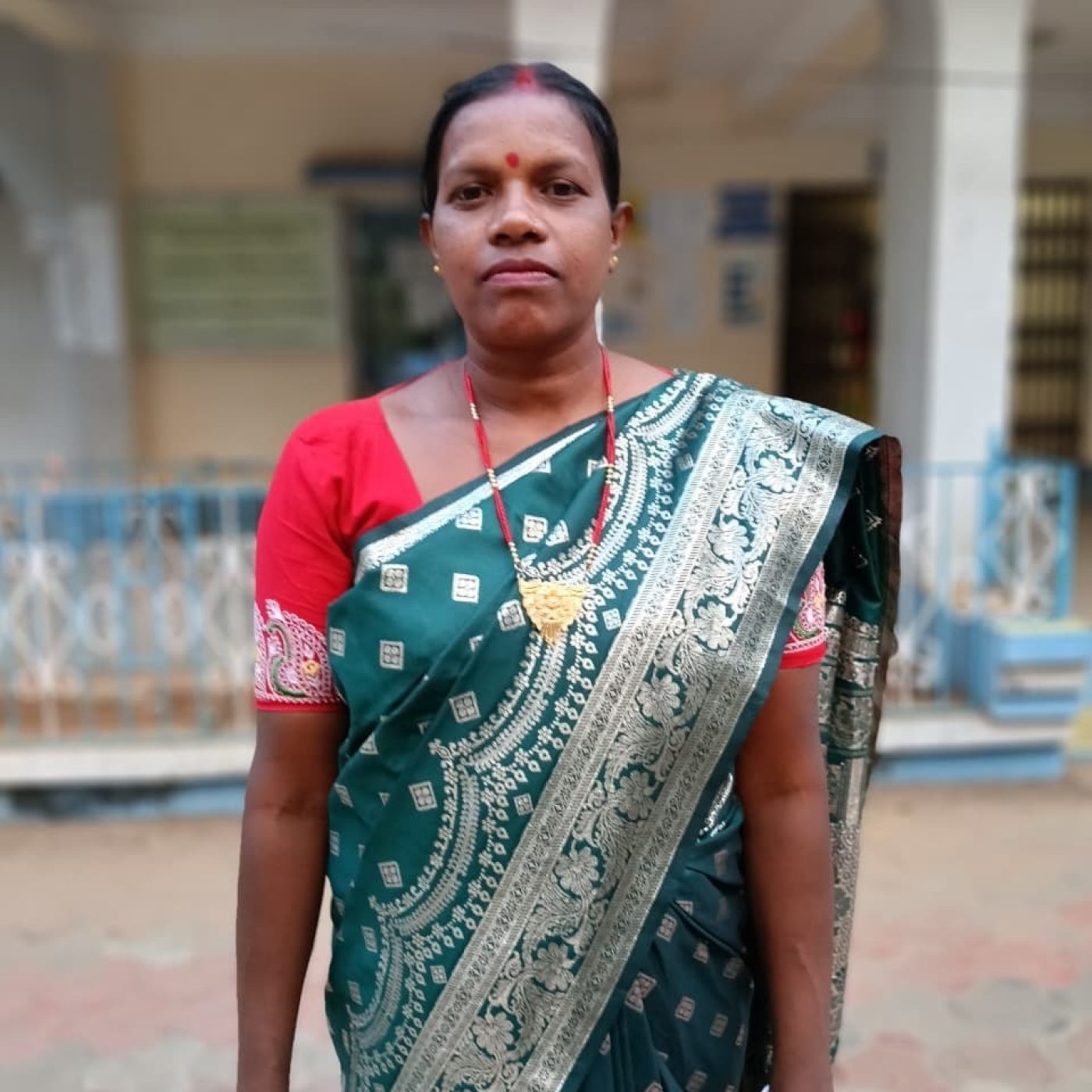
I realized that a declaration does not always reflect reality. If real change was needed, it had to begin from within the village.
Although her community had officially been declared free from open defecation, many families still did not have safe or properly built toilets. Even Churamani’s own household toilet lacked privacy and a proper design.
Churamani attended a sanitation training session supported by UNOPS. The training introduced a simple, low-cost toilet design that safely converts waste into compost.
“The training helped me understand that sanitation is about health, dignity and environmental protection,” she says.
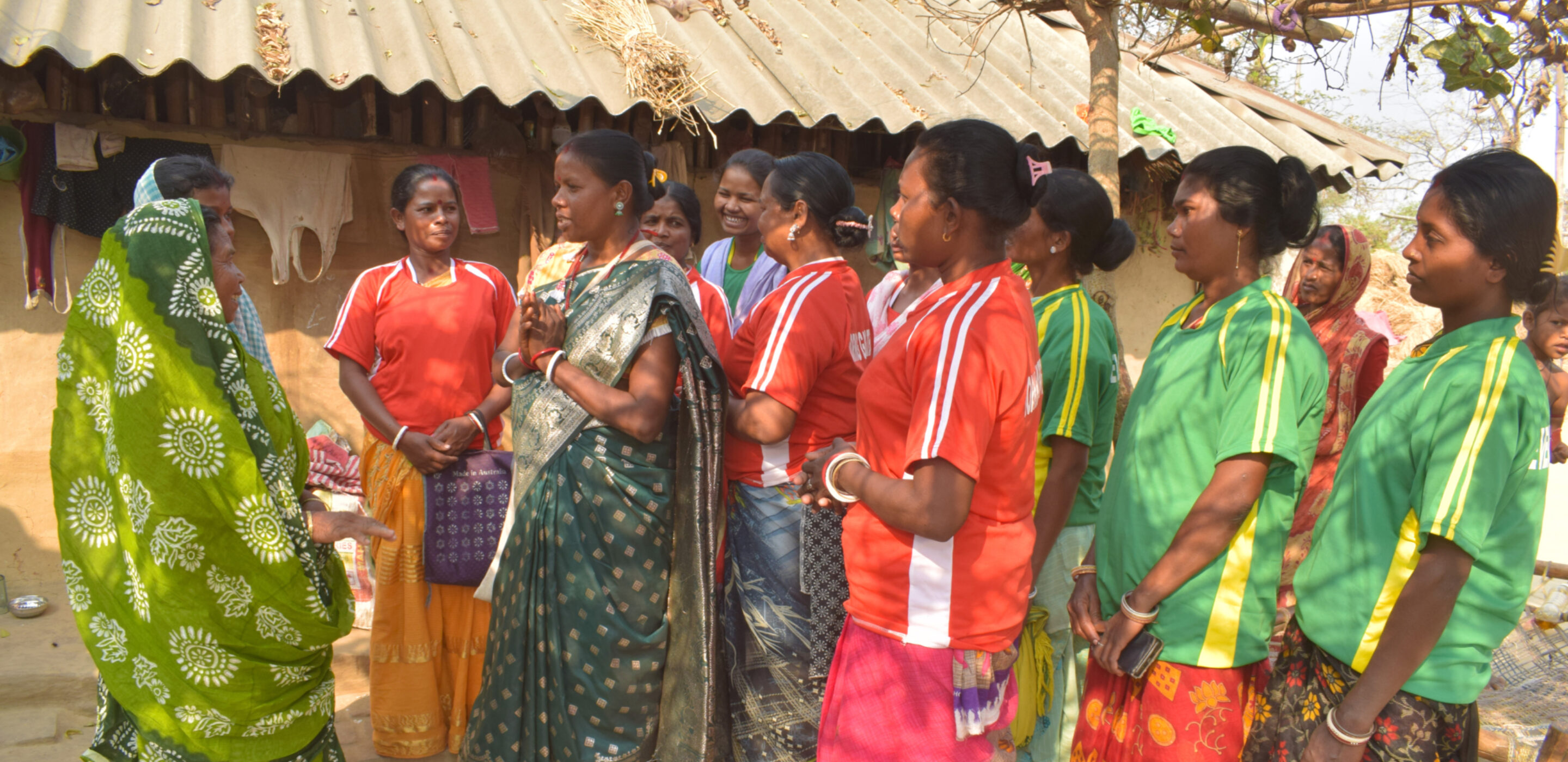
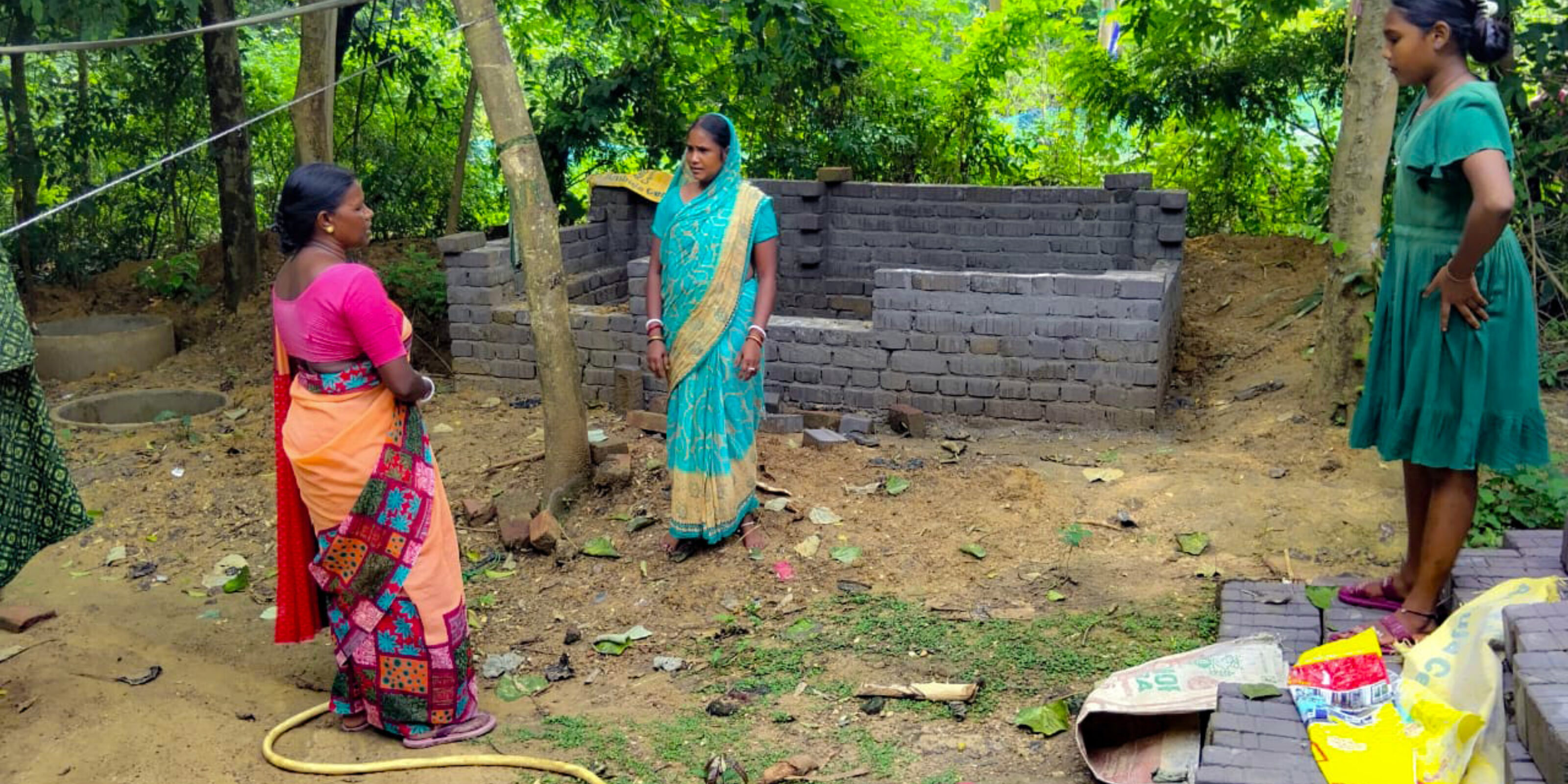
Within a month, Churamani rebuilt her own toilet using the improved design. Then she began speaking with other women in her community. Together, they formed a small team and started visiting households in the early mornings and evenings, encouraging families to build and use toilets.
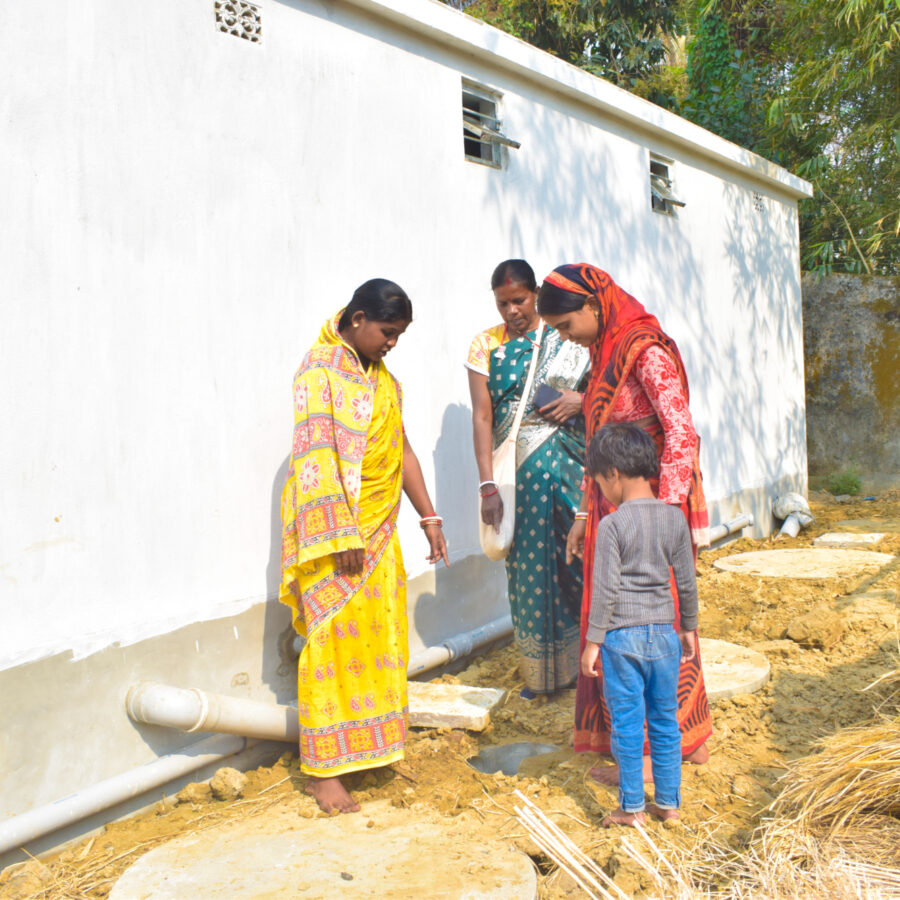
Her work was not without resistance.
“People asked me what I would gain from this, but I believed I had a responsibility to serve my community,” she recalls.
Gradually, attitudes began to shift. A group of women committed to building toilets in their homes. Churamani helped five of them access small loans to cover the costs.
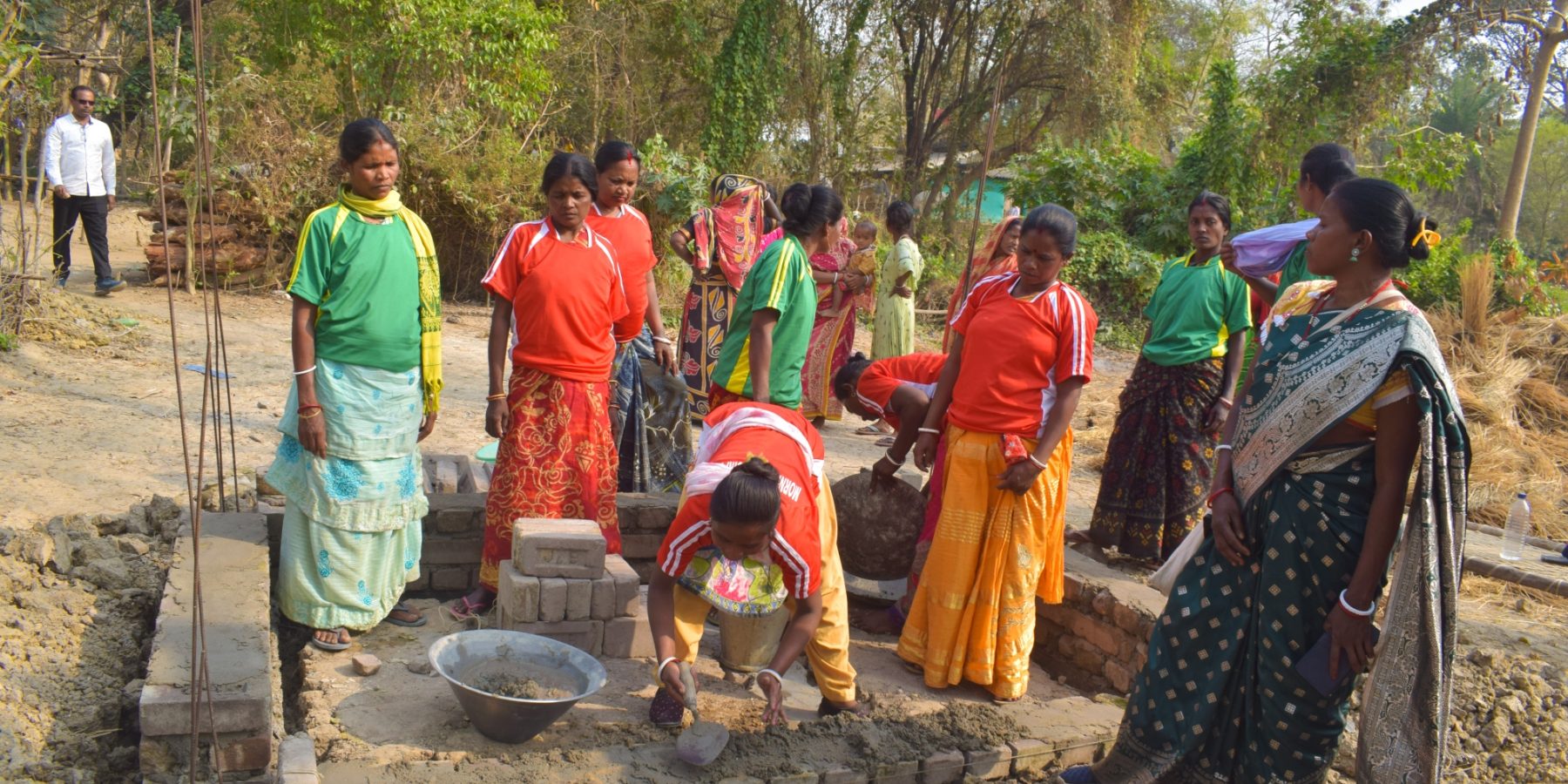
As progress became visible, local authorities supported the effort. Women’s group meetings became spaces for planning and collective action. When there were not enough skilled builders, several women were trained in toilet construction with support from UNOPS – ensuring proper construction while also creating new income opportunities.
There were challenges, including limited funds and material shortages. But trust grew as families saw practical results. Many contributed their own savings or labour. Some chose to build improved facilities with attached bathrooms.
Today, hundreds of toilets have been built, with more under construction. What began with one woman improving her own household toilet has grown into a community-led effort driven by women’s leadership and shared responsibility.
Churamani Hemram’s journey shows that lasting change begins within communities themselves.
As she put it: “Real change begins when we refuse to accept suffering as destiny and choose dignity instead.”
Global Goals we are supporting through this initiative: