


The United Nations Office for Project Services (UNOPS)
Opening doors for Palestinian youth in the West Bank
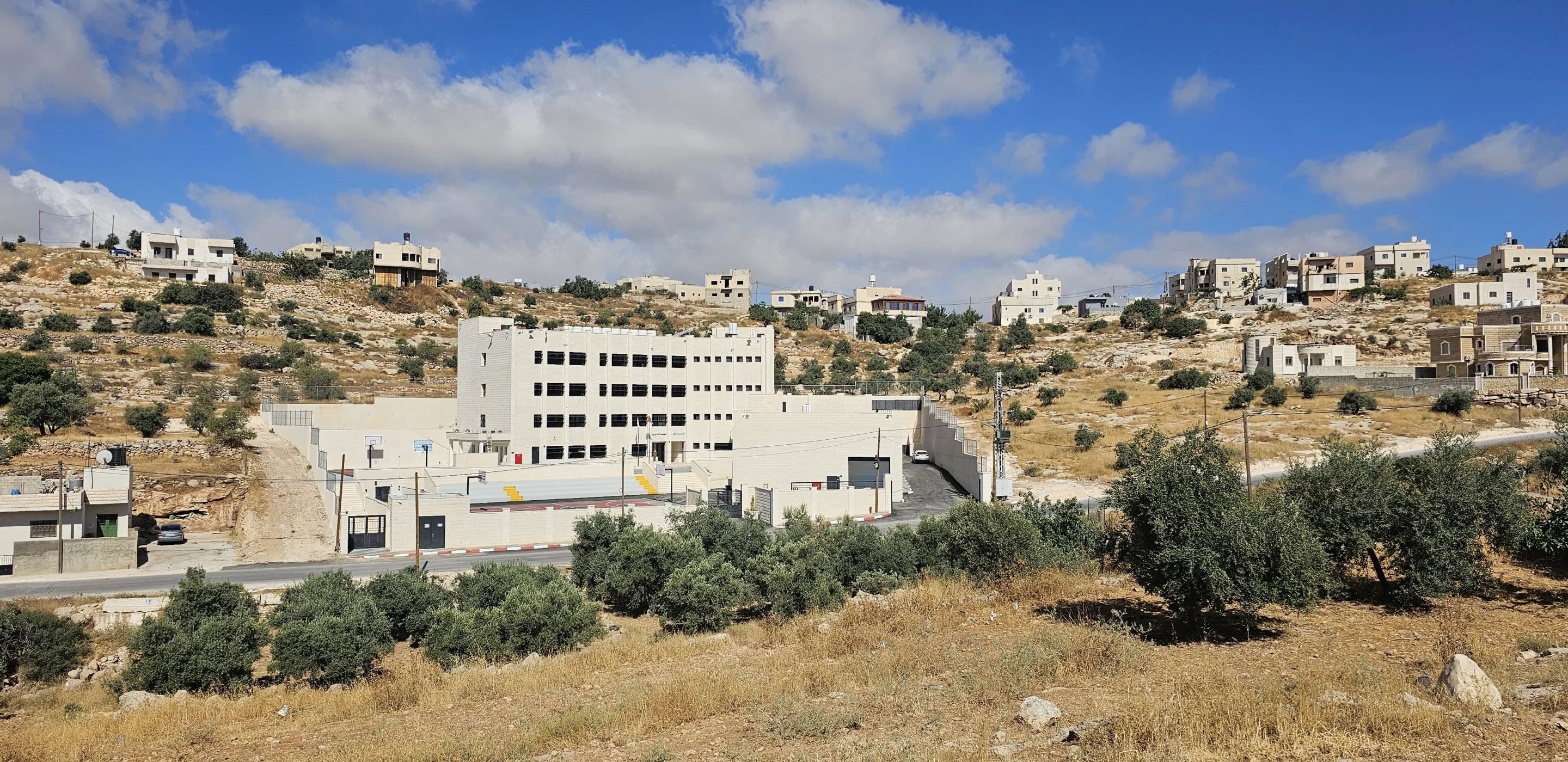
In the southern West Bank, a new vocational secondary school in Yatta offers young Palestinians a pathway to practical skills, employment and economic independence.
Across the West Bank, young people face severe economic pressure. Movement restrictions, the loss of employment opportunities, a deepening fiscal crisis and the wider economic impact of the war in Gaza have severely affected economic activity and livelihoods. Unemployment remains at almost 28 per cent, underscoring the urgent need to expand economic opportunities for young people.
Against this backdrop, the Ministry of Education is prioritizing hands-on vocational training to help young people gain the practical skills employers are looking for in the workforce today.
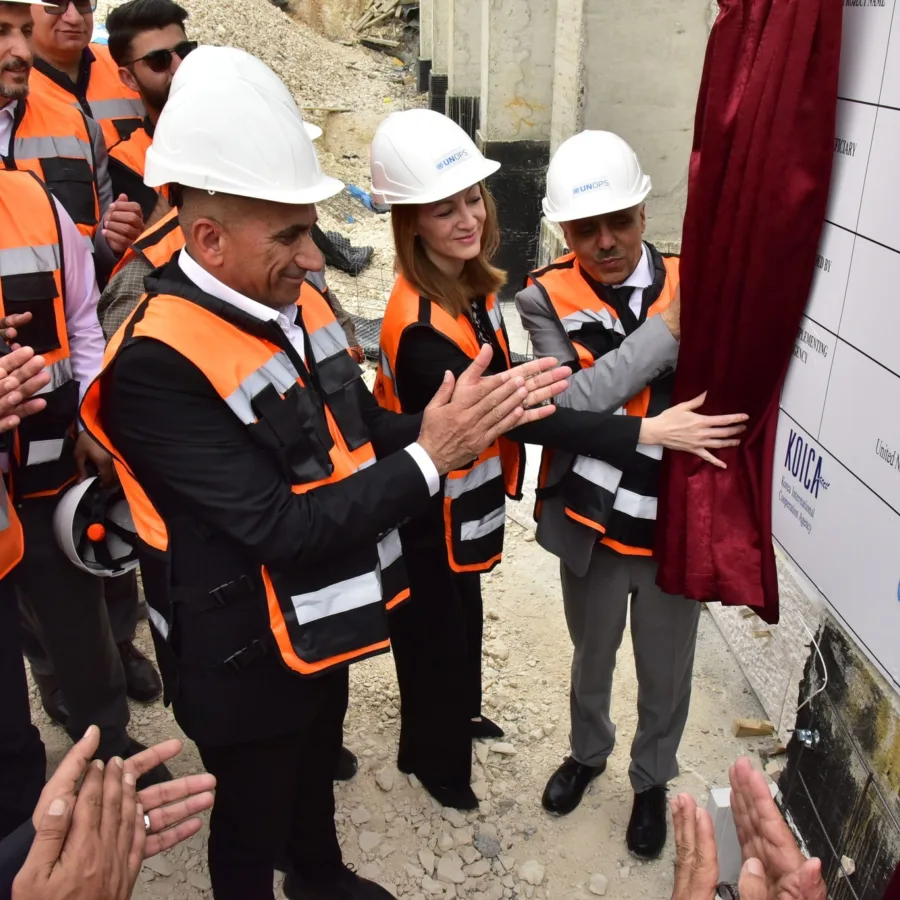
UNOPS – with funding from the Korea International Cooperation Agency (KOICA) and in close partnership with the Palestinian Ministry of Education and the Municipality of Yatta – designed, constructed and equipped the new Yatta Vocational Secondary School.
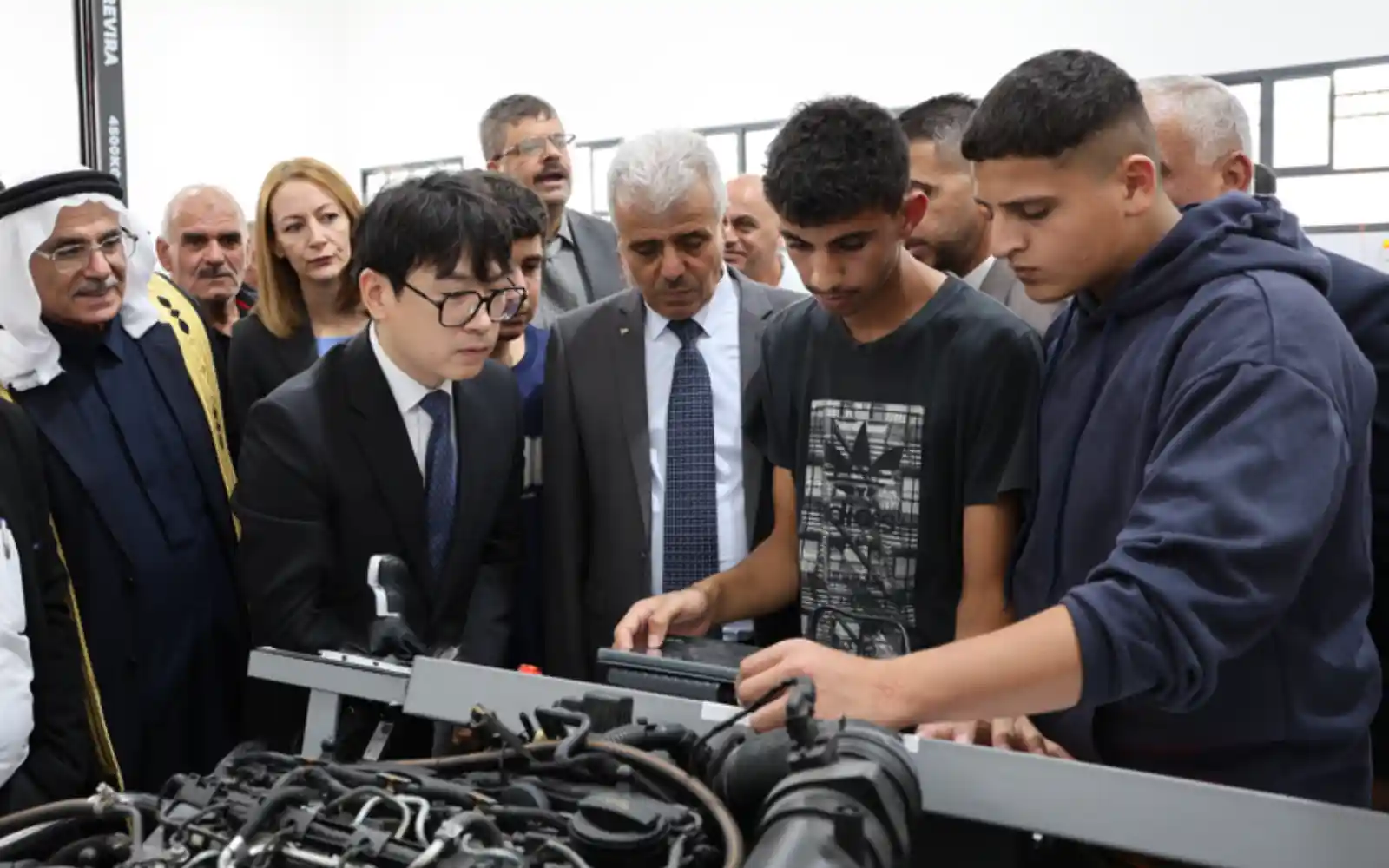
The project is rooted in community ownership. Local land owners donated 4,300 square metres of land to the Municipality and the Ministry of Education to allow for the school’s construction.
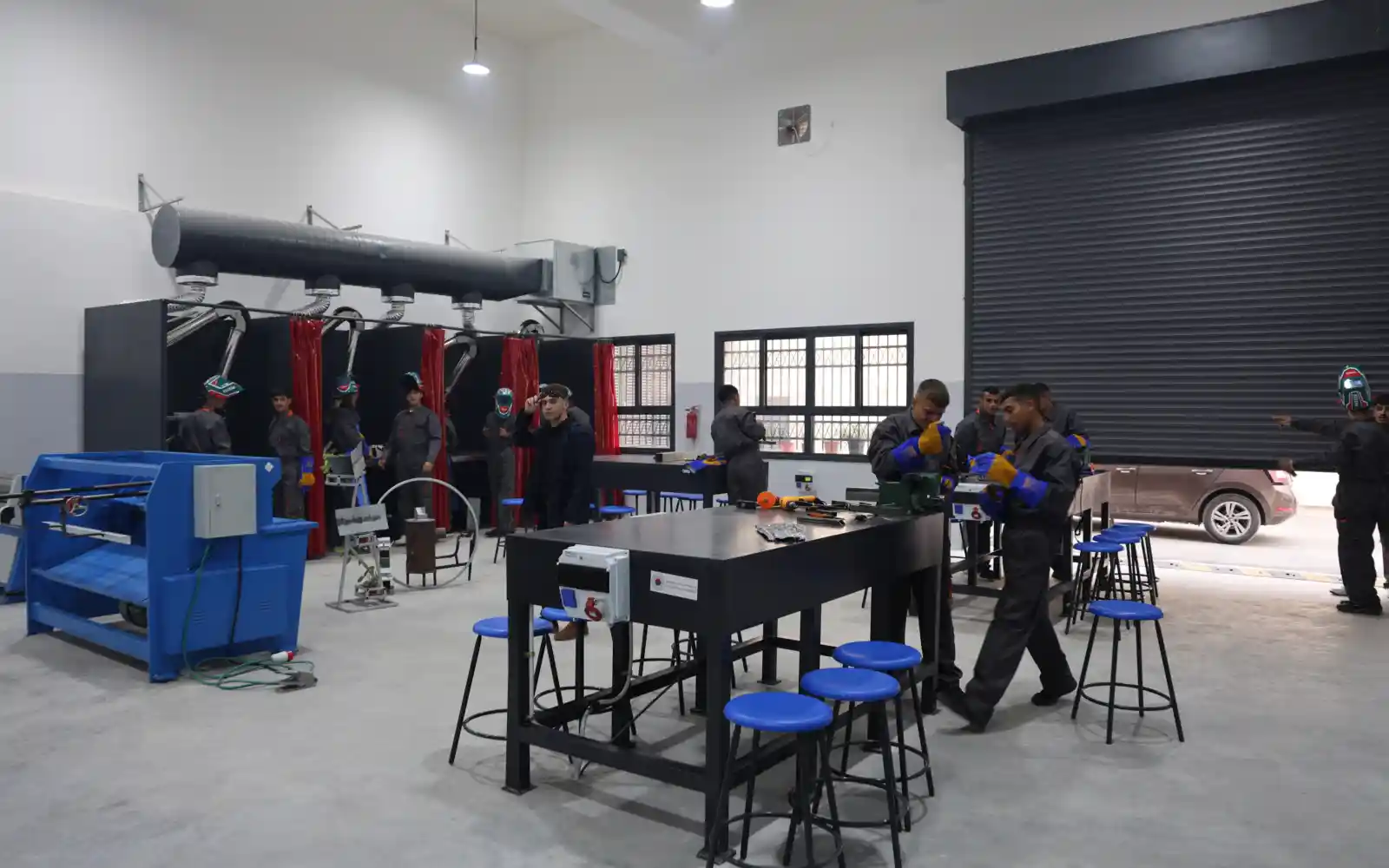
Designed to expand economic opportunities for young women and men, the school features specialized training workshops in high-demand fields. These include welding, plumbing and central heating, electrical systems, auto-mechatronics, technical drawing, technology, chemistry, and biology, in addition to dedicated learning spaces for women and girls in graphic design and cosmetology.
With construction completed in the summer, the school's first intake filled up almost immediately, reflecting the urgent demand for vocational training across Yatta and neighbouring communities. The school has the capacity to accommodate 240 students in grades 11 and 12 (ages 16 to 18).
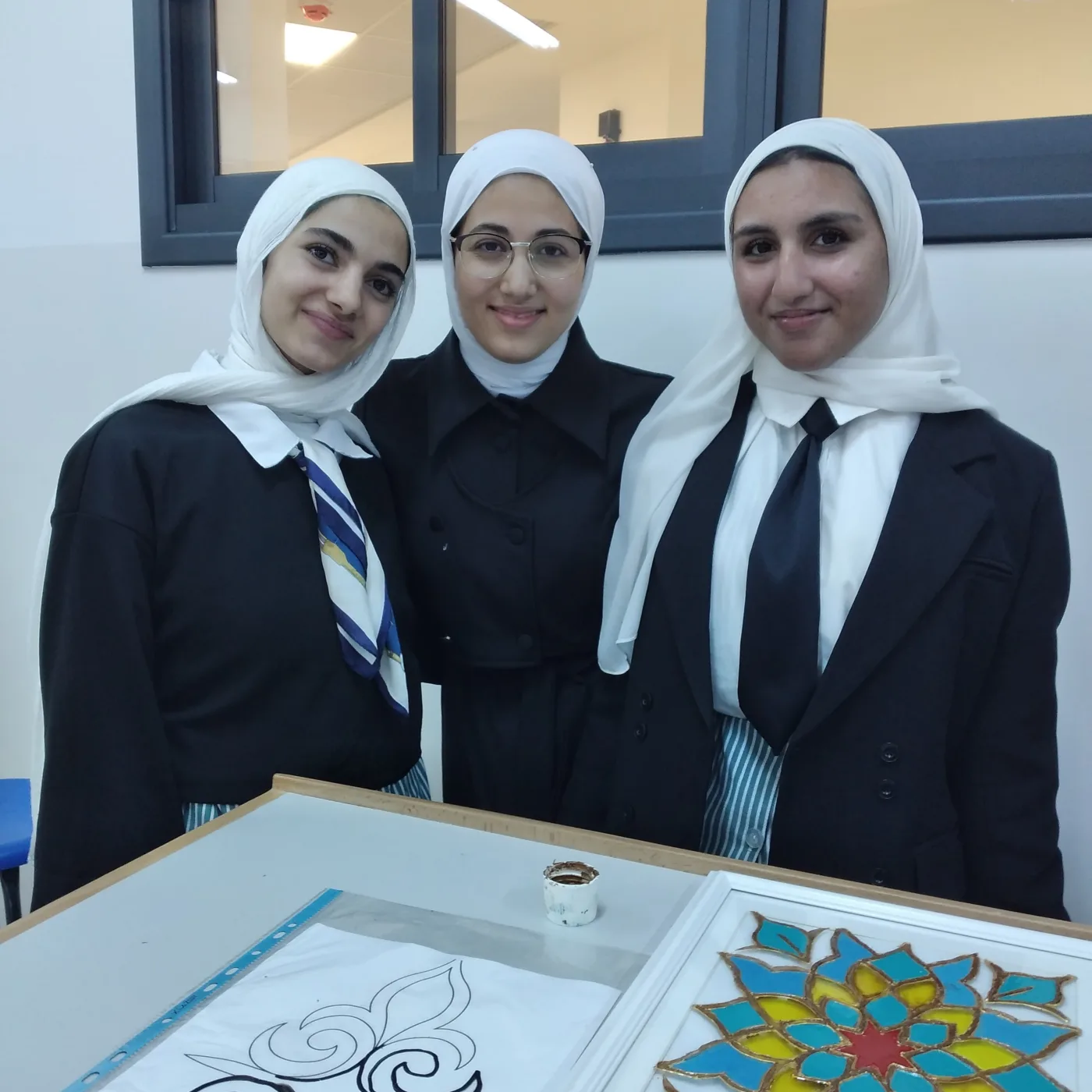
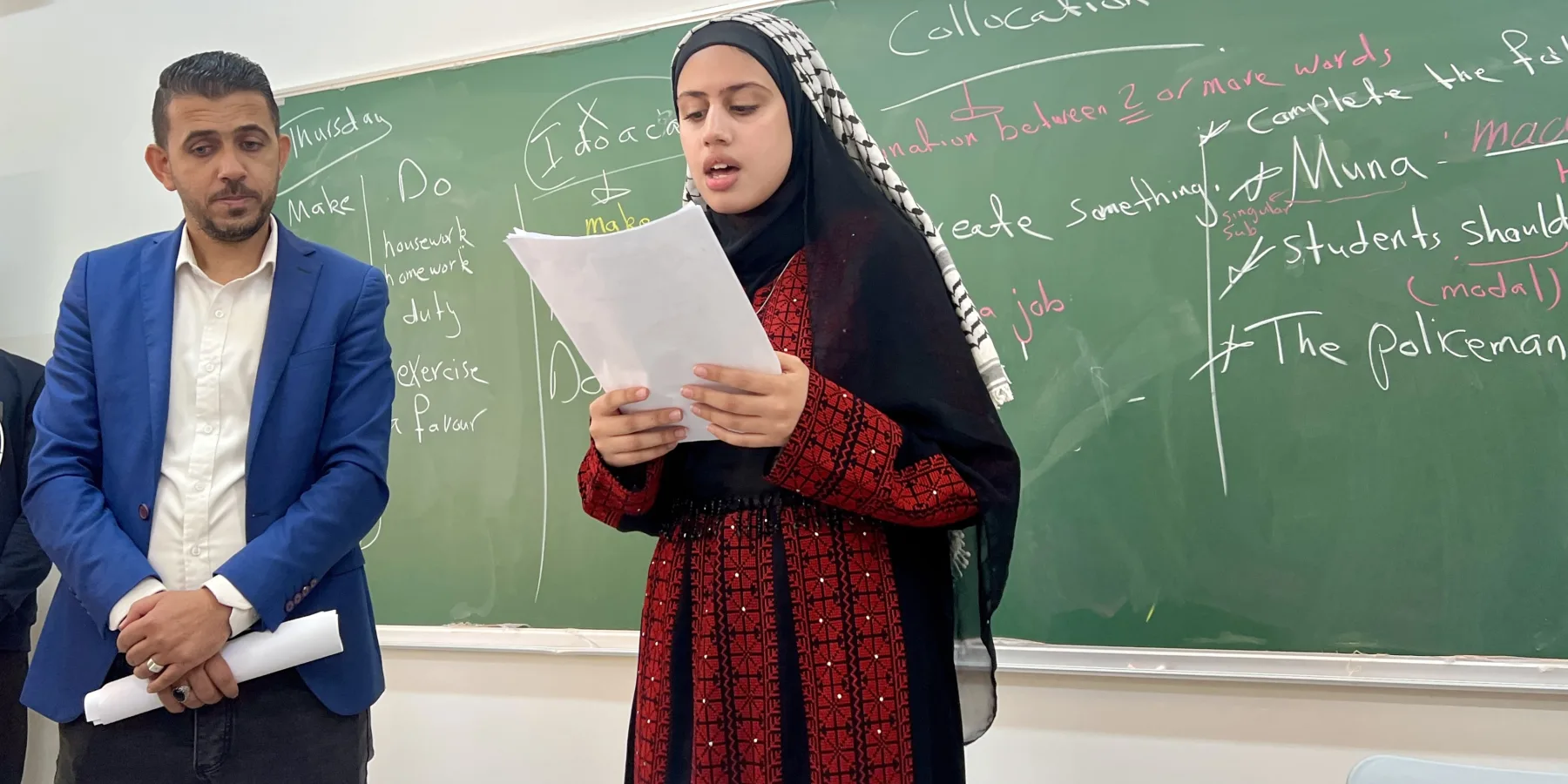
Selecting graphic design allows me to translate my ideas into unique concepts. My goal is to refine my skills, pursue higher education and step into the workforce, enabling me to foster my creativity and make a meaningful impact within my community.
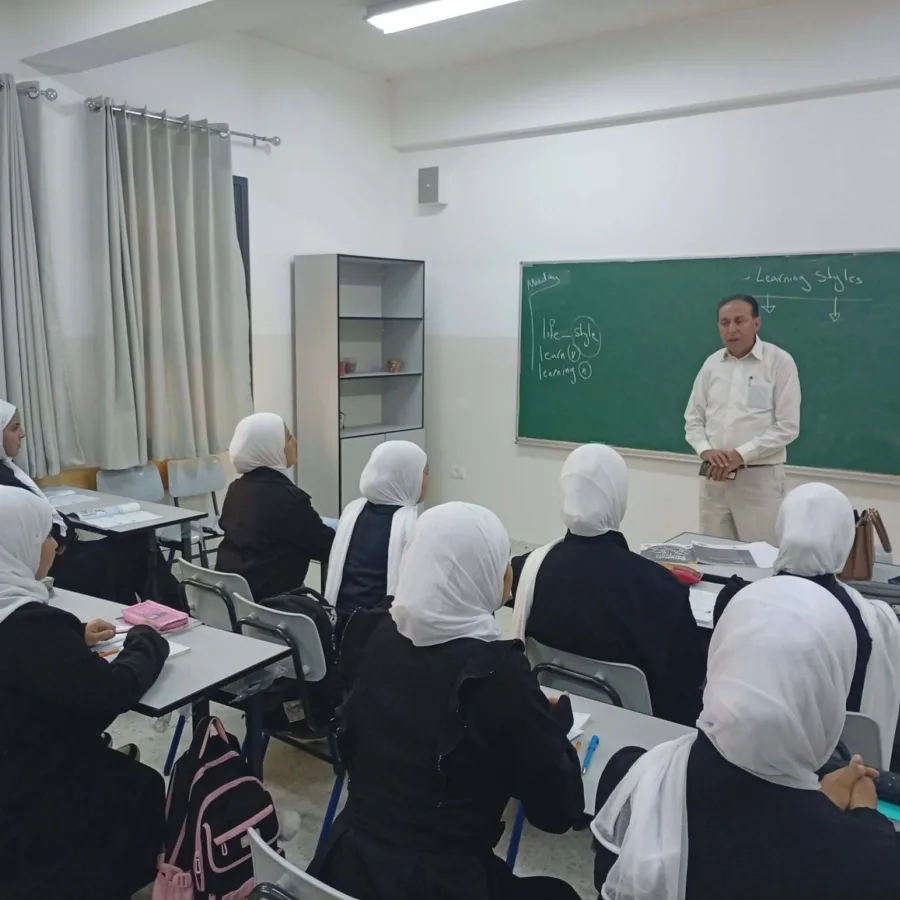
The principal and teachers are enthusiastic over the strong interest shown by students and parents during enrollment. Academic and university pathways have historically been favoured due to prevailing social perceptions, making vocational education a less common choice.
“The Yatta Vocational Secondary School is an investment in young people, in opportunity and in the future of the community,” says Karuna Herrmann, Director of UNOPS in Jerusalem.
“By equipping students with practical, market-relevant skills, it will help create pathways to employment, strengthen local livelihoods and support long-term economic opportunity,” she adds.
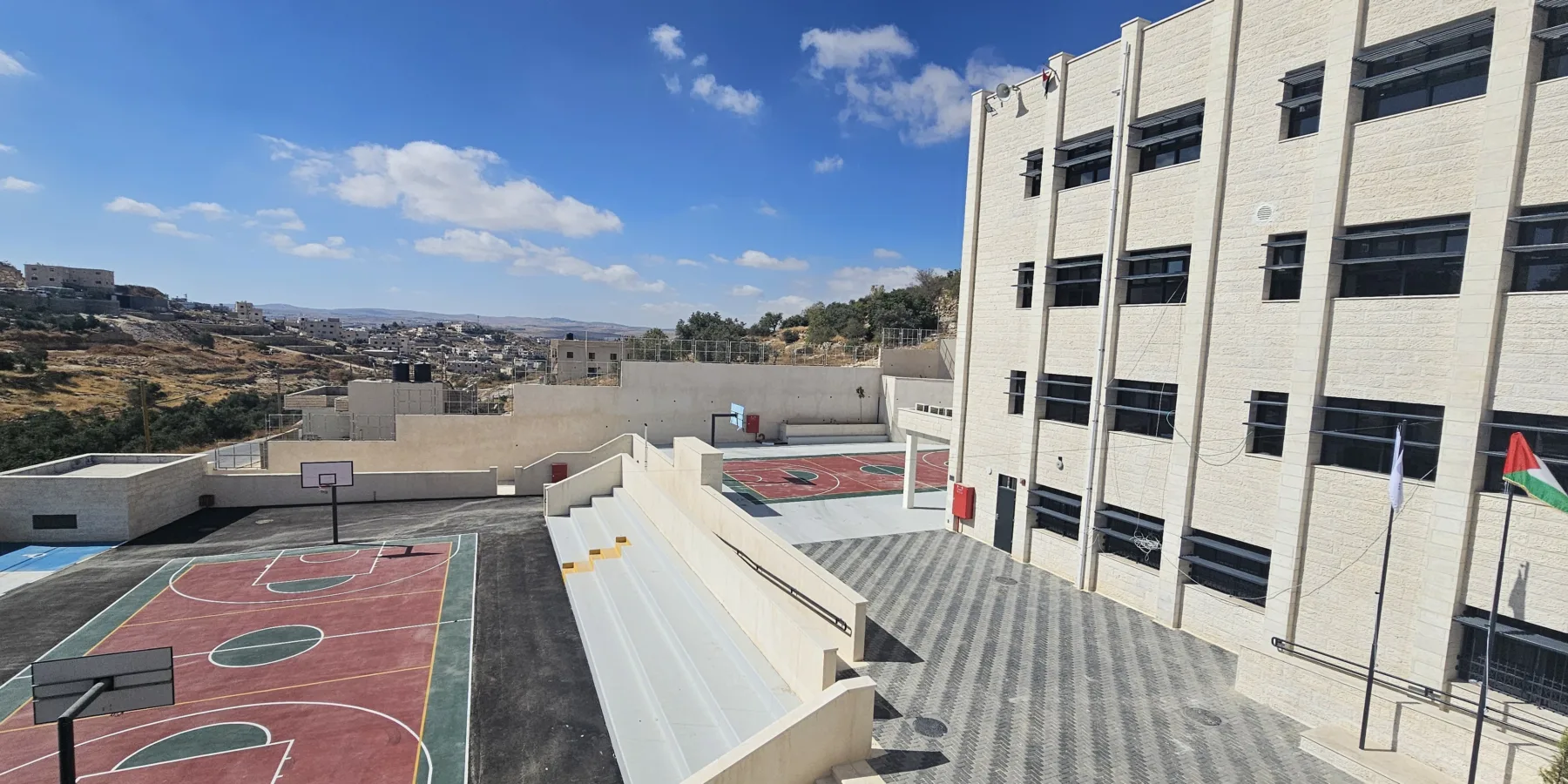
Community ownership was central to the project from day one. Developed through close municipal consultations, the project was made possible by local community members who donated the land to the Municipality of Yatta and the Ministry of Education. The facility’s layout – which includes classrooms, laboratories, workshops, administrative spaces, playgrounds, accessibility ramps and green areas – was developed to respect local cultural norms while securing safe, equitable access to vocational education for both female and male students.
Delivering the project required navigating complex political realities and movement restrictions. Despite ongoing constraints, UNOPS and partners maintained momentum by working hand-in-hand with local contractors and suppliers. The project’s focus on local labour also contributed to the local economy. Wherever feasible, UNOPS and partners prioritized use of local materials, manufacturing and worked with local contractors.
As its first students settle into class, the school is now providing the practical training they need today while supporting long-term economic opportunities across the West Bank.
Global Goals we are supporting through this initiative: