



The United Nations Office for Project Services (UNOPS)
Welcoming new lives in southern Argentina
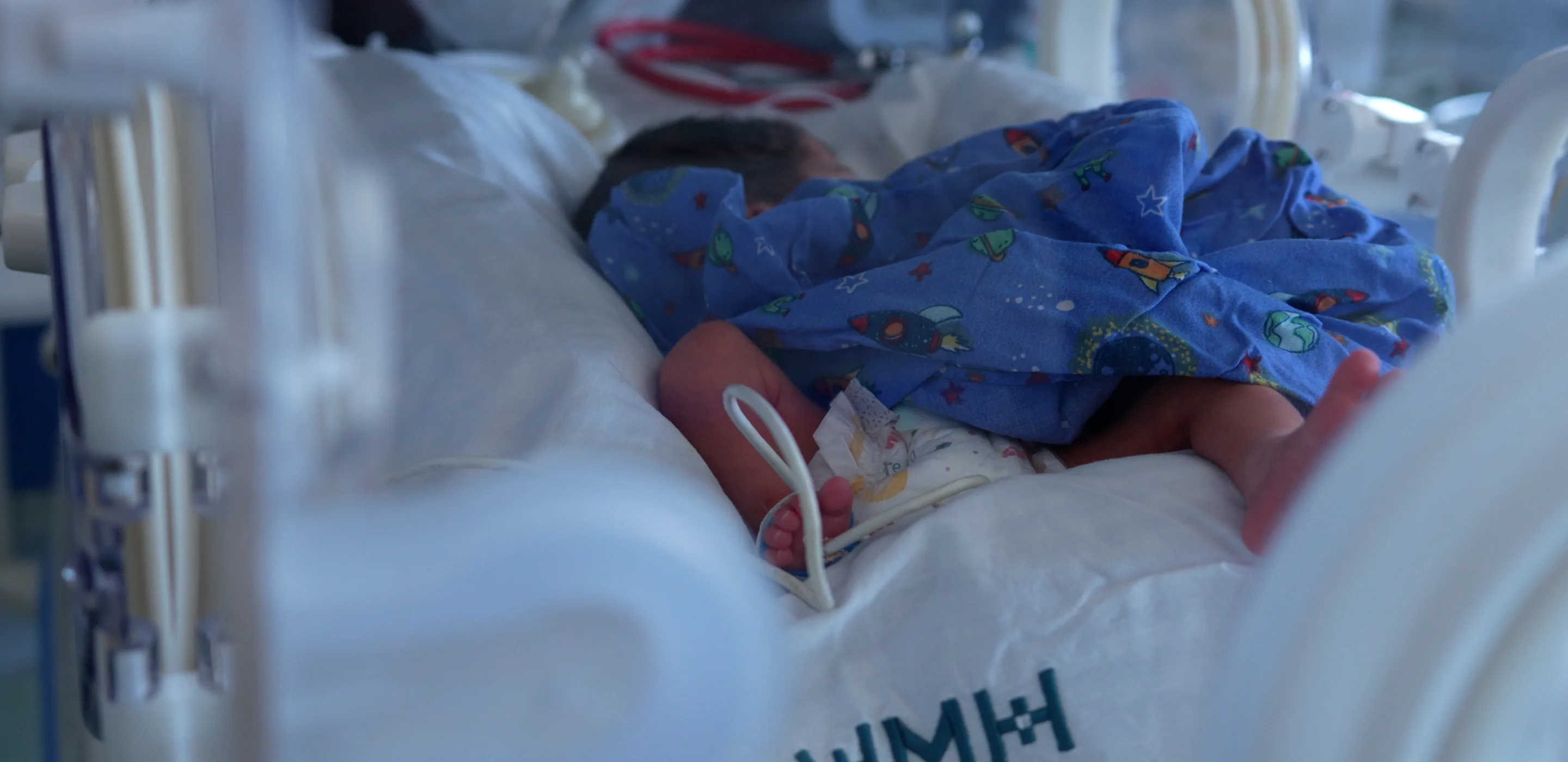
Just weeks after opening, a rare birth of identical triplets highlighted how a newly equipped hospital in Chubut is changing what’s possible for high-risk care.
Just weeks after opening, a rare birth of identical triplets highlighted how a newly equipped hospital in Chubut is changing what’s possible for high-risk care.
Just weeks after opening, a rare birth of identical triplets highlighted how a newly equipped hospital in Chubut is changing what’s possible for high-risk care.
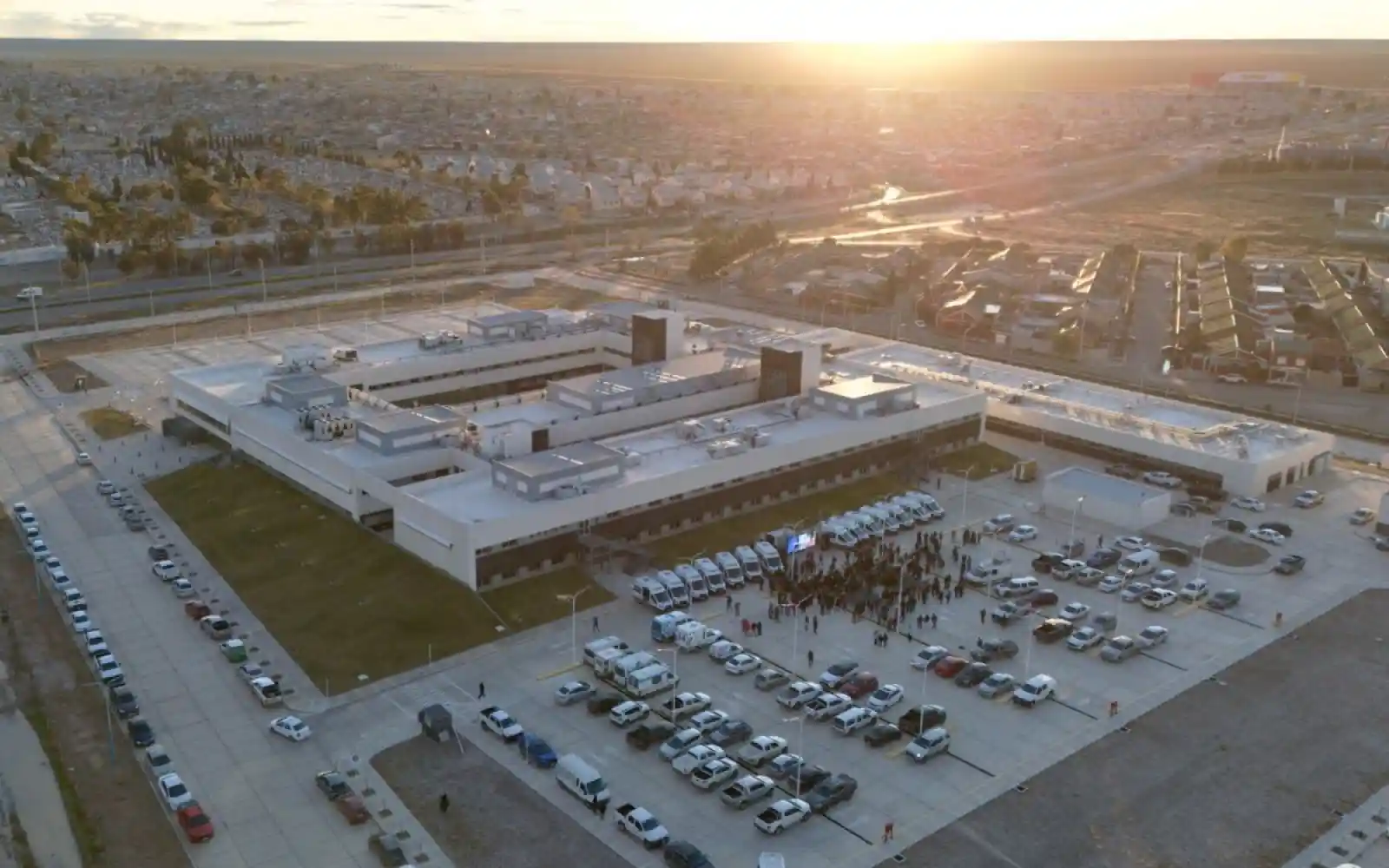
In the southern Argentine province of Chubut, longstanding structural challenges have affected the delivery of quality public services, particularly in healthcare. Although the María Humphreys High Complexity Hospital was constructed in Trelew as a modern facility, it remained non-operational for years due to a lack of essential medical equipment.
To help address these gaps, UNOPS has been working in partnership with the government of Chubut, providing technical assistance and supporting large-scale procurement processes to enable the hospital to begin delivering services to the community.
Quality healthcare for mothers and newborns
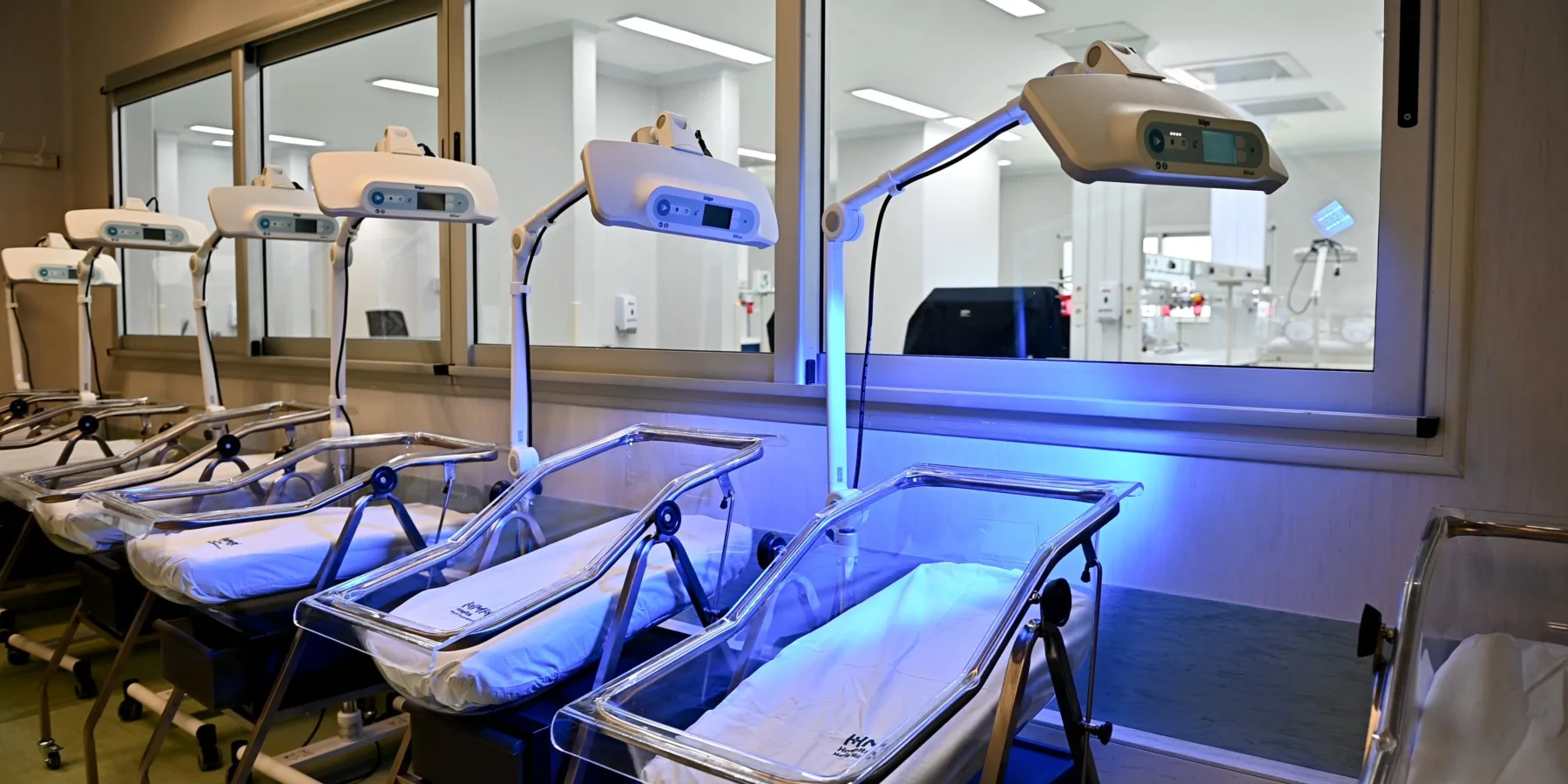
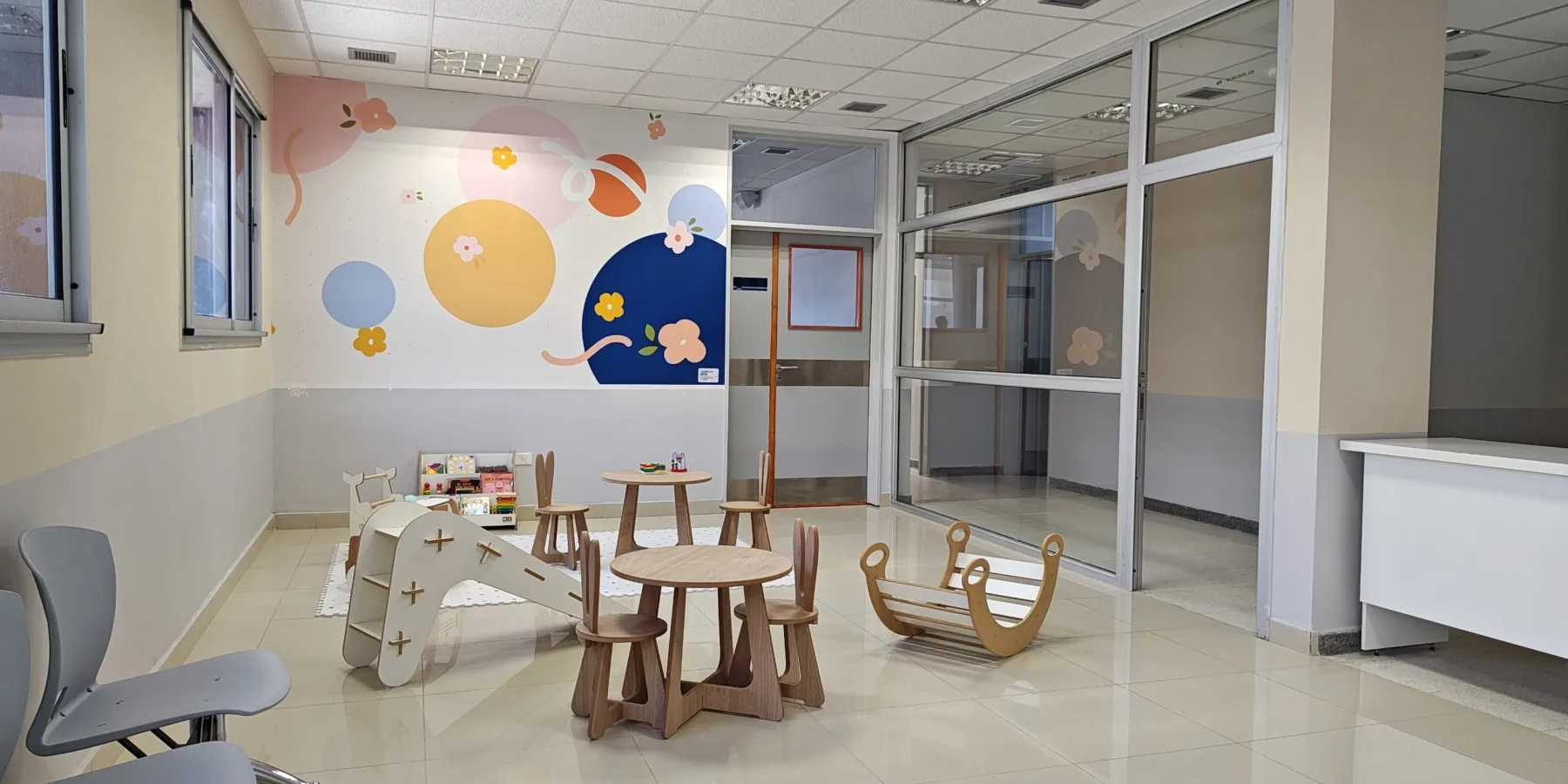
The initiative includes the opening of maternal and child healthcare services at the María Humphreys Hospital. By equipping the facility with modern medical equipment, the project enabled the relocation of the province’s leading maternity unit from an old centre into a new purpose-built facility. This relocation means mothers and newborns can now receive care in an environment better designed and equipped for their needs.
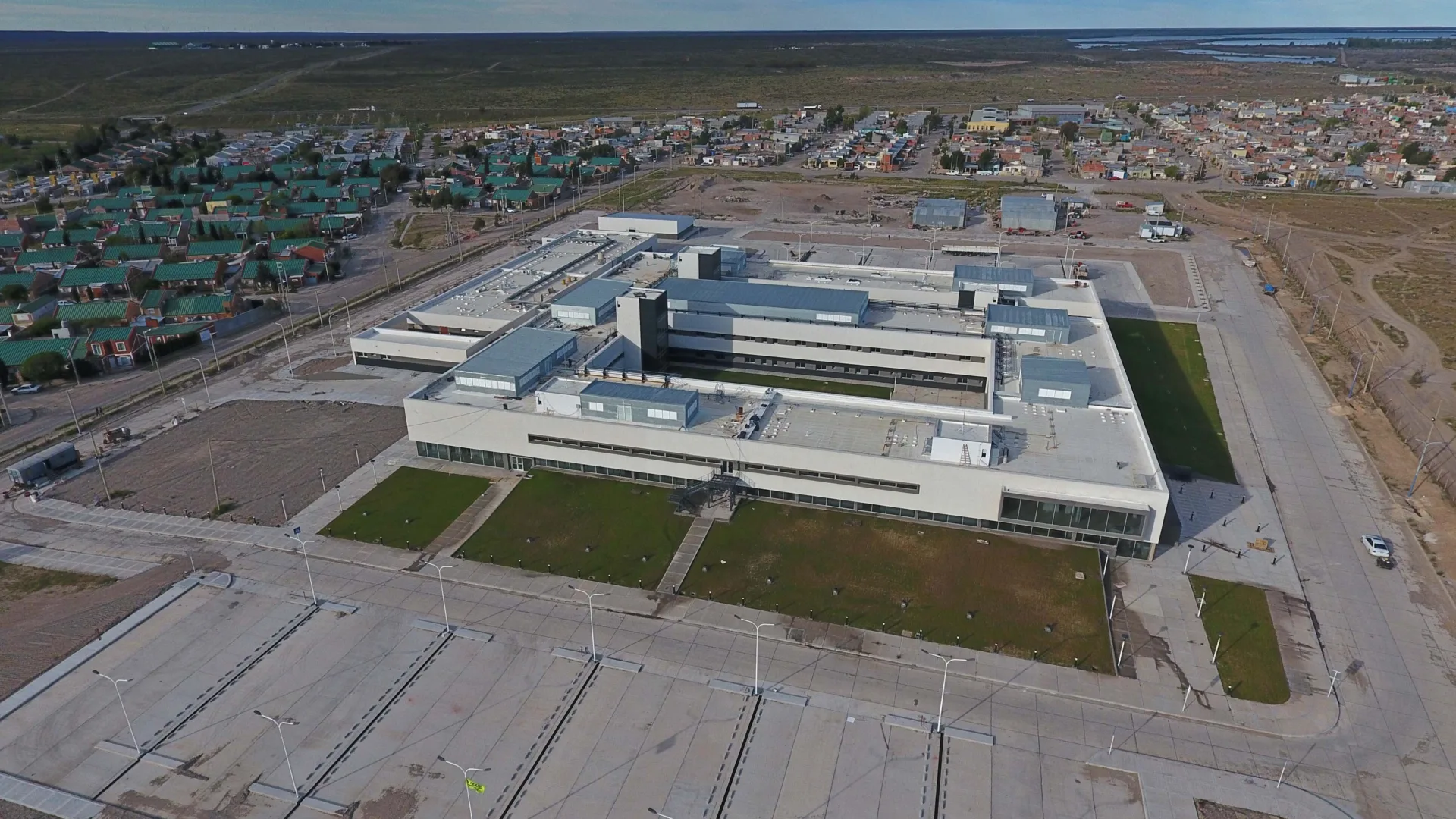
Following the transfer of services, the hospital officially began operations in November 2025 and welcomed its first births – marking a turning point for healthcare delivery in the province.
“Through this procurement project the María Humphreys Hospital can begin offering high-quality maternal and neonatal care, improving health outcomes for thousands of families,” says Enrique Garrigou, UNOPS Programme Manager in Argentina.
“This [project] has improved the quality of care for pregnant women and newborns in the province," says Silvina Leiva, Provincial Director of Maternity, Childhood and Adolescence.
Chubut’s Health Secretary, Dr. Denise Acosta, adds: "This new building, the equipment, and the training we have been providing allow us to provide safer and more modern care for mothers and newborns.”
Specialized care
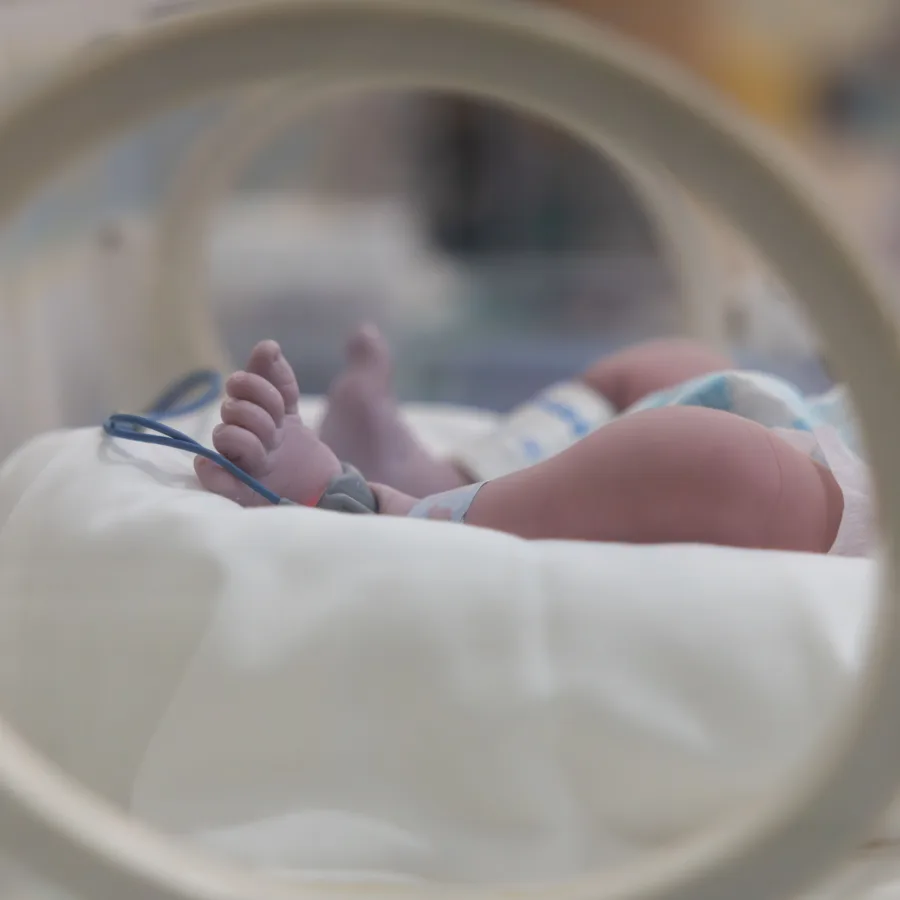
Just weeks after opening, the hospital faced a highly complex case that put its new capabilities to test: three identical triplets were born – an extremely rare, one-in-a-million event. The successful delivery of the triplets – despite the complexities – is a powerful testament to the impacts of a strengthened local health system.
“I was scared, I already have three [children], but never all at once, and it was my first caesarean. It was a high-risk pregnancy, but thank god everything turned out fine,” says Marianela Moya, the mother of the identical triplets.
With the Mother-Child Care Centre now fully equipped and operational, Marianela was able to receive specialized care locally, avoiding the need to travel to another province during her high-risk pregnancy. The facility’s advanced technology and trained medical teams provided Marianela and her newborns with the care they needed.
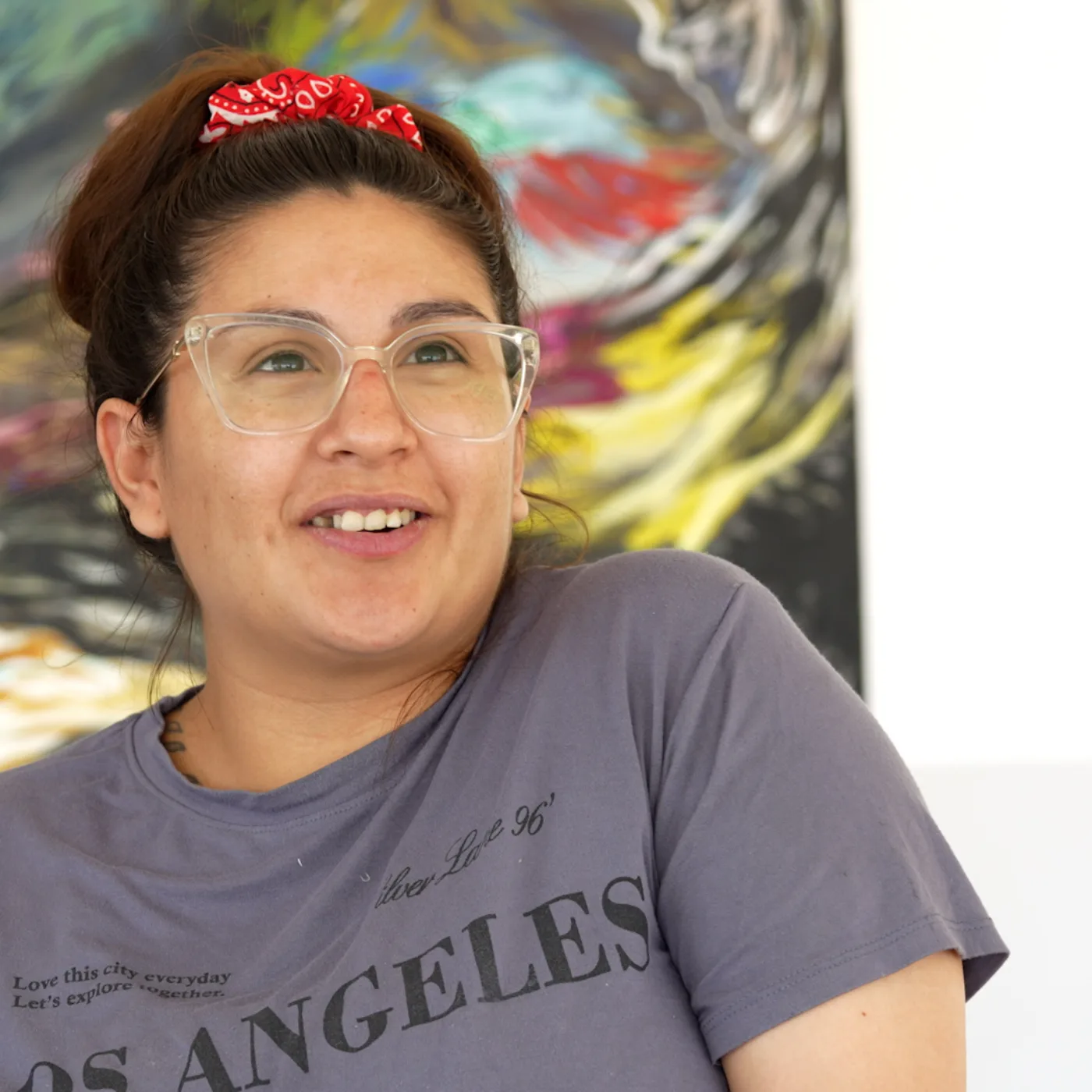
When they told me I’d be treated here [at the María Humphreys Hospital], it put our minds at ease. Mainly because [the triplets] would be much better looked after, given all the new hospital facilities.
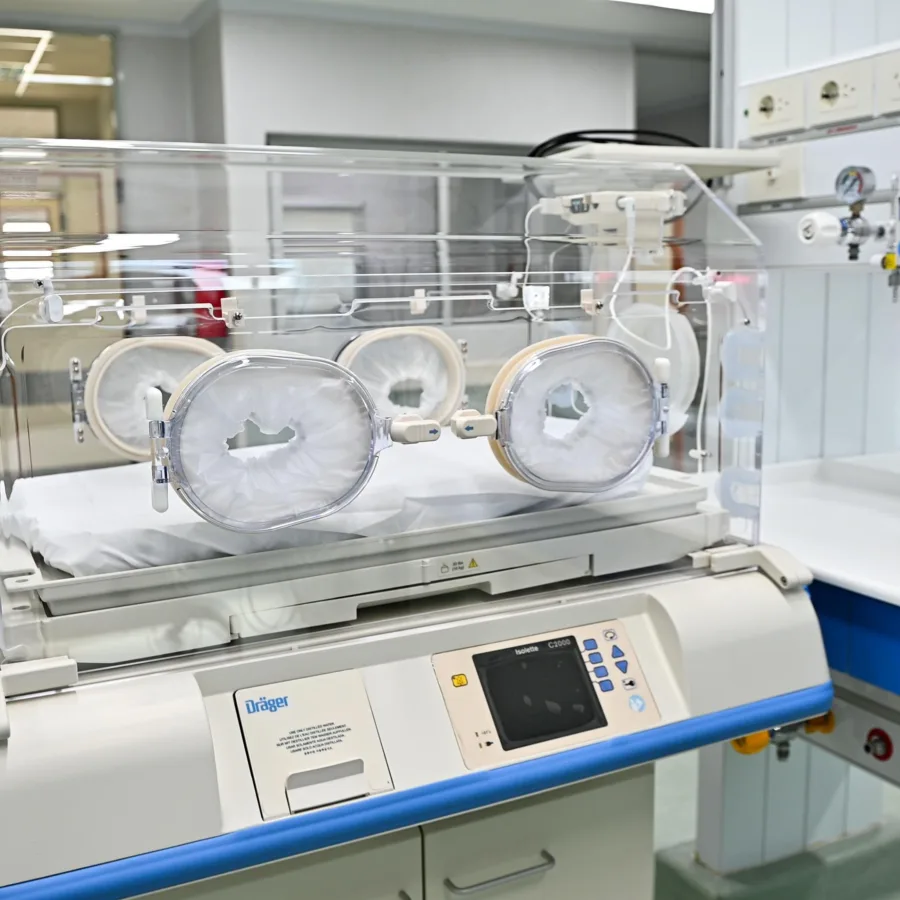
“Departments such as neonatology and obstetrics are highly dependent on technology. Performing a highly complex ultrasound scan using an old machine is not the same as using a new, state-of-the-art machine, which allows us to get much closer to a definitive diagnosis,” says Matías Mendelevich, Director of the Mother-Child Care Centre, María Humphreys Hospital.
This underpins the critical role that modern infrastructure and equipment can play in strengthening response capacity and enabling the effective management of rare and high-risk medical situations.
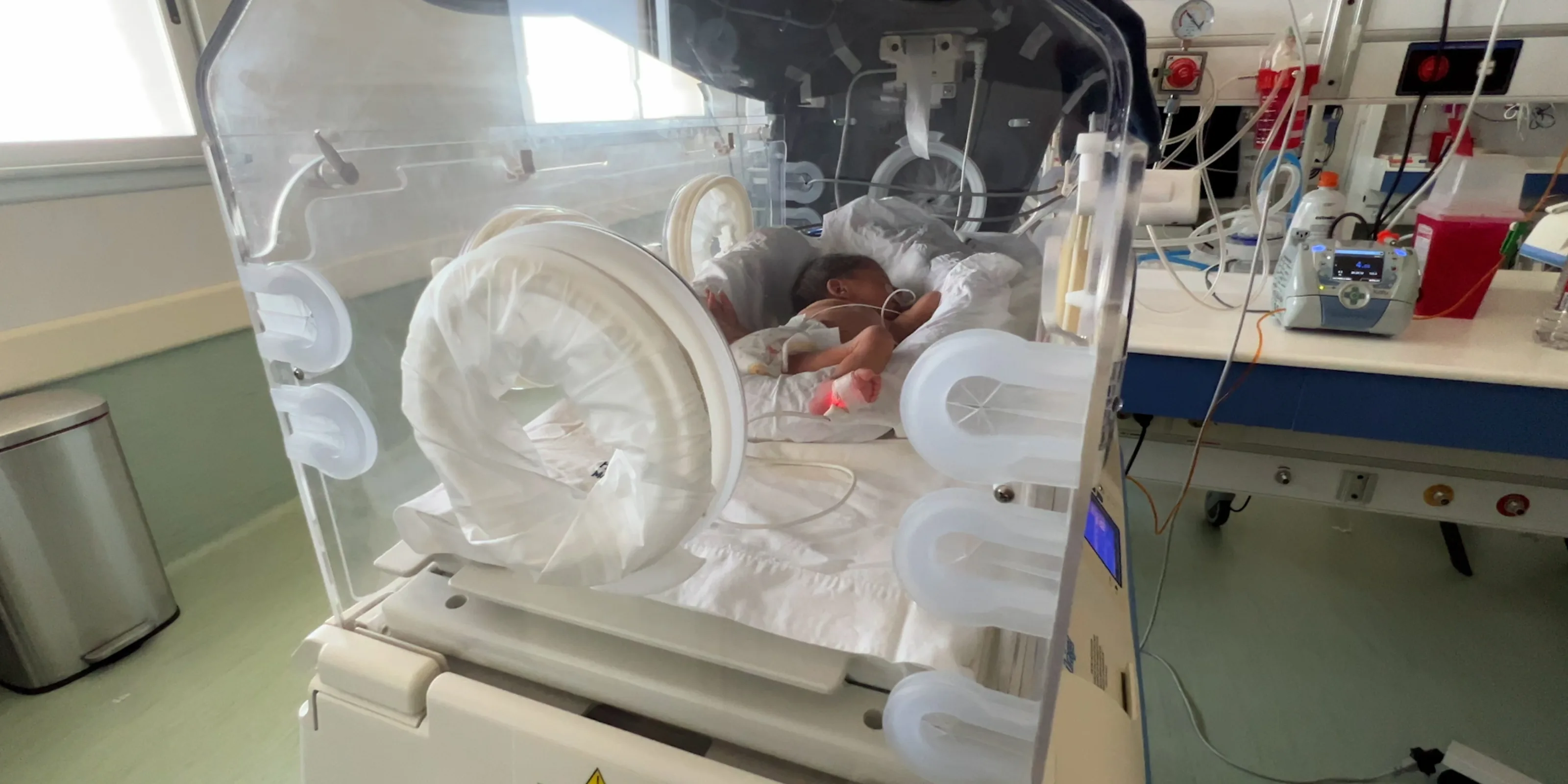
“A significant leap”
Today, the Maternal and Child Centre at the María Humphreys Hospital is the only public maternity ward in the province classified as category 3-B. This means that all complex and high-risk pregnancies from across Chubut are referred to the facility for delivery, follow up or specialized care.
“[The immediate care of the triplets and their mother] was made possible thanks to the hospital’s facilities and the fact that we had well-prepared surgical, obstetrics and neonatology teams equipped with state-of-the-art technology,” says Matías Mendelevich, Director of the Maternal and Child Centre, María Humphreys Hospital.
Through the procurement of state-of-the-art equipment, the transfer of neonatal services to the María Humphreys Hospital represents a significant leap in accessibility and quality of care for the population, as well as in working conditions for medical teams.
“It allows us to provide better care and work with greater peace of mind,” says Matías Mendelevich, Director of the Mother-Child Care Centre, María Humphreys Hospital.
Beyond improving healthcare for mothers and newborns, the hospital is also reaching important milestones – including the first fetal surgery ever performed in the province – helping to transform public healthcare in Chubut.
Global Goals we are supporting through this initiative: