



The United Nations Office for Project Services (UNOPS)
Getting students back to school after the Philippines’ Mindanao earthquake
In the wake of the earthquake, UNOPS partnered with government authorities to assess damage to school infrastructure and identify urgent recovery needs. The assessments are helping guide investments in safer, more resilient learning environments.
When a powerful 7.8-magnitude offshore earthquake struck Sarangani on 8 June 2026, communities across Southern Mindanao faced widespread disruption. Among the hardest hit was the education sector.
The earthquake struck just as the new school year was beginning. Early estimates showed that around 3 million students were affected, with approximately 6,000 schools exposed to damage. While school leaders quickly reported visible impacts, many facilities could not be thoroughly inspected due to a lack of specialized engineering capacity.
To help address this gap, UNOPS deployed a rapid technical field mission following a request from the Department of Education.
By providing rapid, specialized engineering expertise, UNOPS helps ensure that the immediate humanitarian response transitions seamlessly into a recovery built on a foundation of safety and long-term resilience.
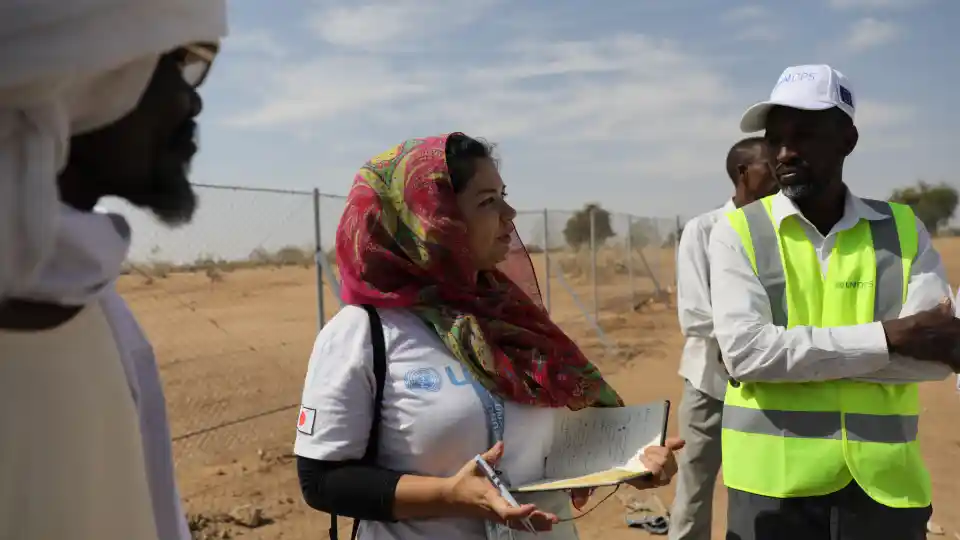
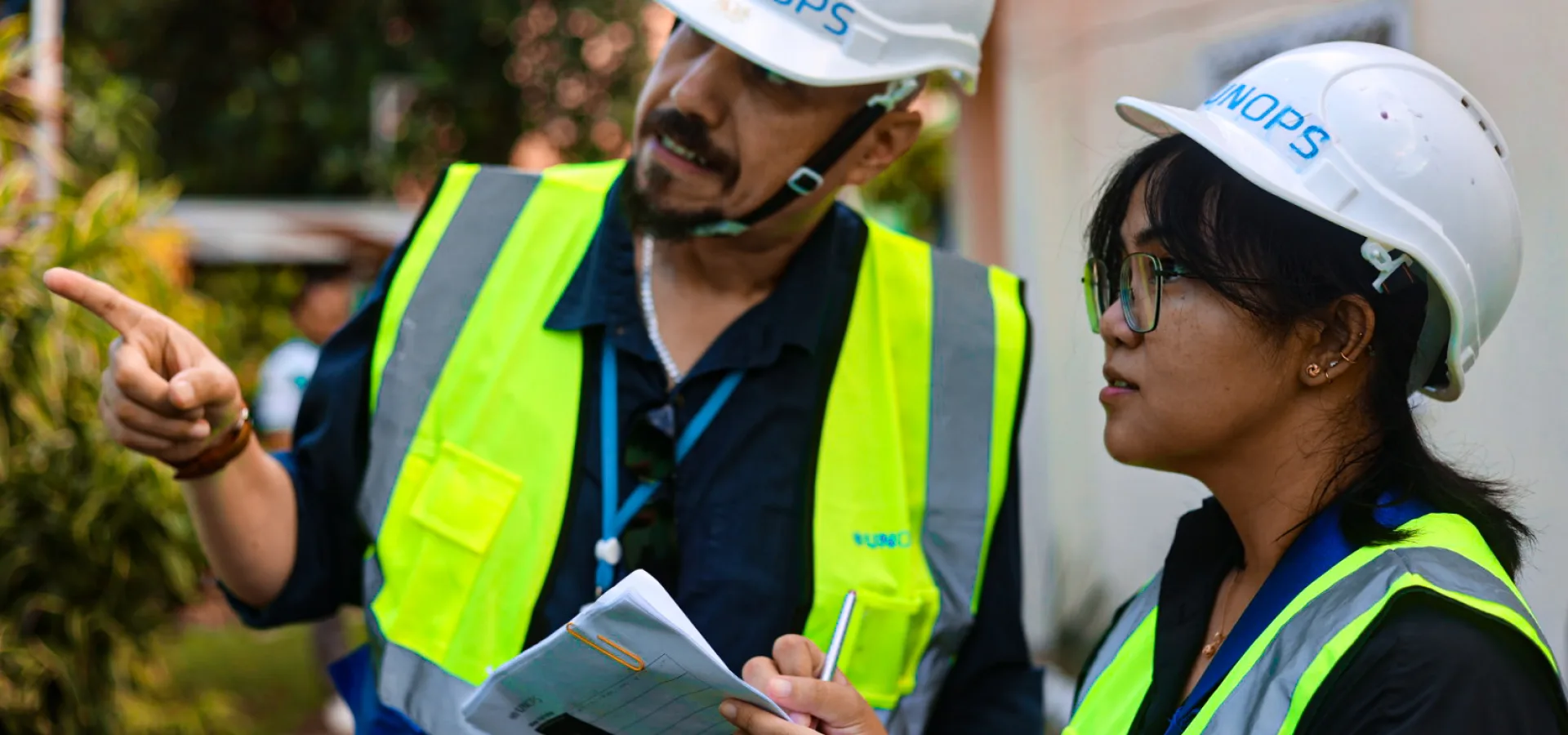
Working in General Santos City, Sarangani Province and surrounding communities, the UNOPS team included a structural engineer to direct technical assessment reports. The mission focused on helping authorities determine whether damaged buildings could be safely used or required further review.
In close coordination with the UN Resident Coordinator’s Office, the Office for the Coordination of Humanitarian Affairs, the UN Development Programme, and the Office of Civil Defense, engineers assessed schools and other highly exposed facilities. Teams examined classrooms, structural columns, beams, roofing systems and water, sanitation and hygiene facilities. Geotagged photographs and rapid assessment tools helped document conditions on the ground.
The work was carried out in a challenging environment. Aftershocks continued across the region, while landslides blocked access to some areas. In addition, several structures had already experienced damage from a 2023 earthquake, making assessments more complex.
"Operating in an active post-earthquake zone means managing constant risks like aftershocks and landslides," said Ali Salha, the UNOPS Technical Lead for the assessment.
"Our focus was to look beyond surface-level damage, distinguish new vulnerabilities from past structural trauma, and provide clear, actionable data so that local authorities know exactly which spaces are safe for immediate re-entry and which require deeper structural review," he added.
UNOPS assessments provide a technical foundation for recovery decisions. Following field inspections, assessment findings are reviewed by the Department of Education and validated by the relevant Office of the Building Official and the Department of Public Works and Highways. This process helps ensure that recovery investments are based on verified technical evidence and national regulations.
The information gathered is already supporting the Department of Education’s recovery planning. Immediate efforts focus on making schools safe, clearing debris and maintaining access to education through temporary arrangements. Longer-term plans include repairing damaged facilities and rebuilding structures that cannot be salvaged.
The earthquake is a reminder that resilient infrastructure plays a vital role in protecting lives and restoring essential services. Through specialized engineering expertise, UNOPS is helping communities move from emergency response toward a safer and more sustainable recovery.