


The United Nations Office for Project Services (UNOPS)
Four ways renewable energy is empowering communities across the Middle East
Discover how UNOPS and partners are helping to deliver the infrastructure needed to protect the planet and support communities impacted by conflict and climate change.
With global climate challenges accelerating, the transition toward sustainable energy solutions is no longer just an environmental goal – it is a necessity to support everyday life, create equal opportunities and expand access to essential services.
Across the Middle East, UNOPS is working alongside partners to provide climate-resilient energy solutions in areas facing severe energy access challenges, turning clean energy into a catalyst for recovery, safety and human dignity.
Here are four ways renewable energy projects are driving lasting community impact across Iraq, Lebanon, Syria and Yemen.
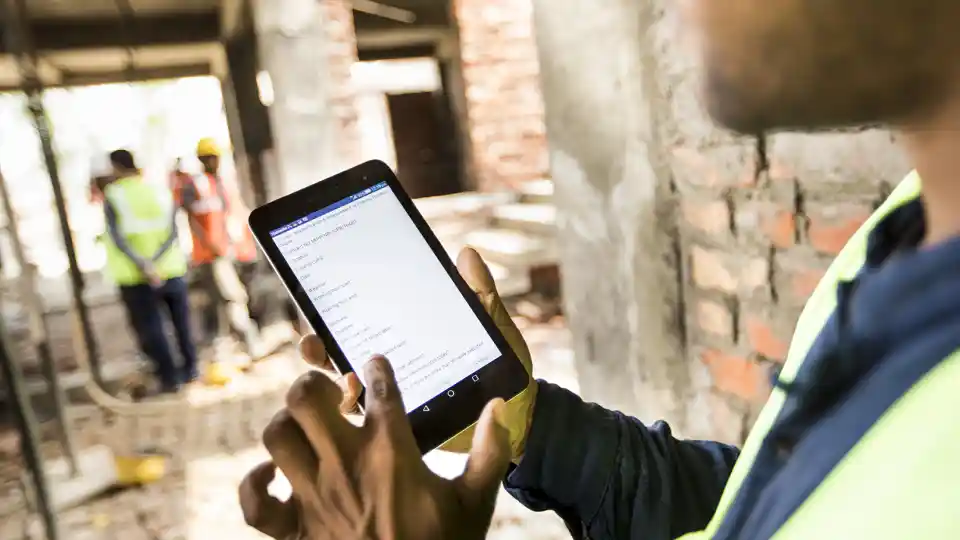
Enhancing public safety
1. LIGHTING STREETS AND ENHANCING PUBLIC SAFETY
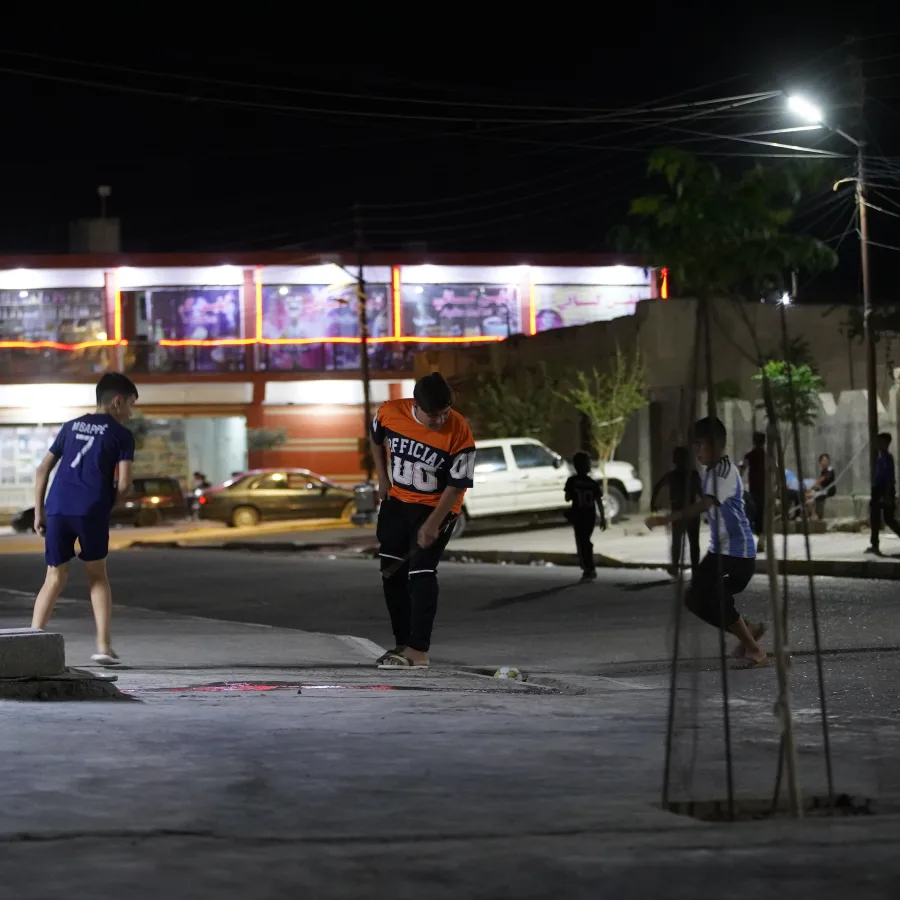
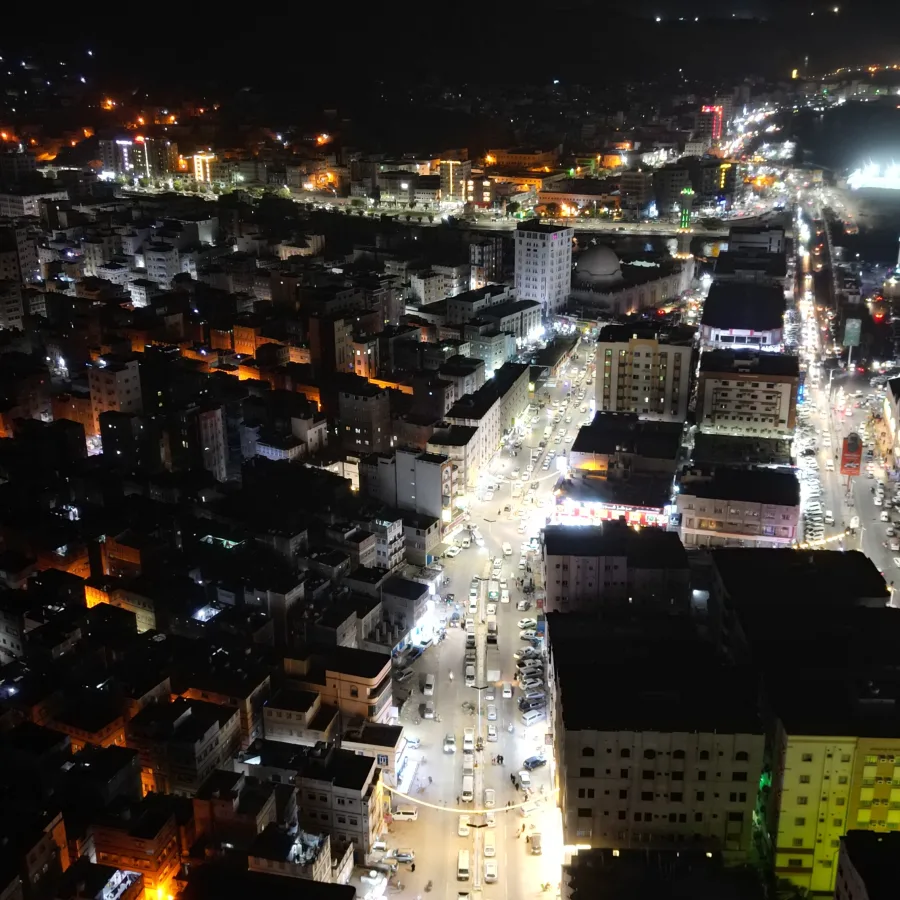
In a region where extreme daytime heat pushes community life into the evening, light is a prerequisite for a functioning economy. Unlit streets not only halt local commerce after dark, but they also compromise the safety of residents trying to navigate their neighbourhoods. To revitalize local economies and increase safety for residents, UNOPS is providing reliable solar street lighting solutions that restore nighttime mobility and support community life.
In Iraq, through the Local Infrastructure in Rural Anbar project funded by the government of Germany through KfW Development Bank, the installation of 1,300 solar-powered streetlights has lit up over 25 kilometres of vital roadways across the Anbar and Ninewa Governorates, improving safety and nighttime mobility for more than 180,000 residents.
The road was dark and there was no lighting, so we struggled to get around at night. Countless car and traffic accidents happened. After installing the street lights, the village became more beautiful and people started to use the road to access the markets which helped the village residents financially.
In Yemen, through the World Bank-financed Yemen Integrated Urban Services Emergency project, more than 5,200 solar LED streetlights spanning 173 kilometres of urban roads are bringing evening economies back to life while reducing CO₂ emissions by approximately 14,300 tonnes.
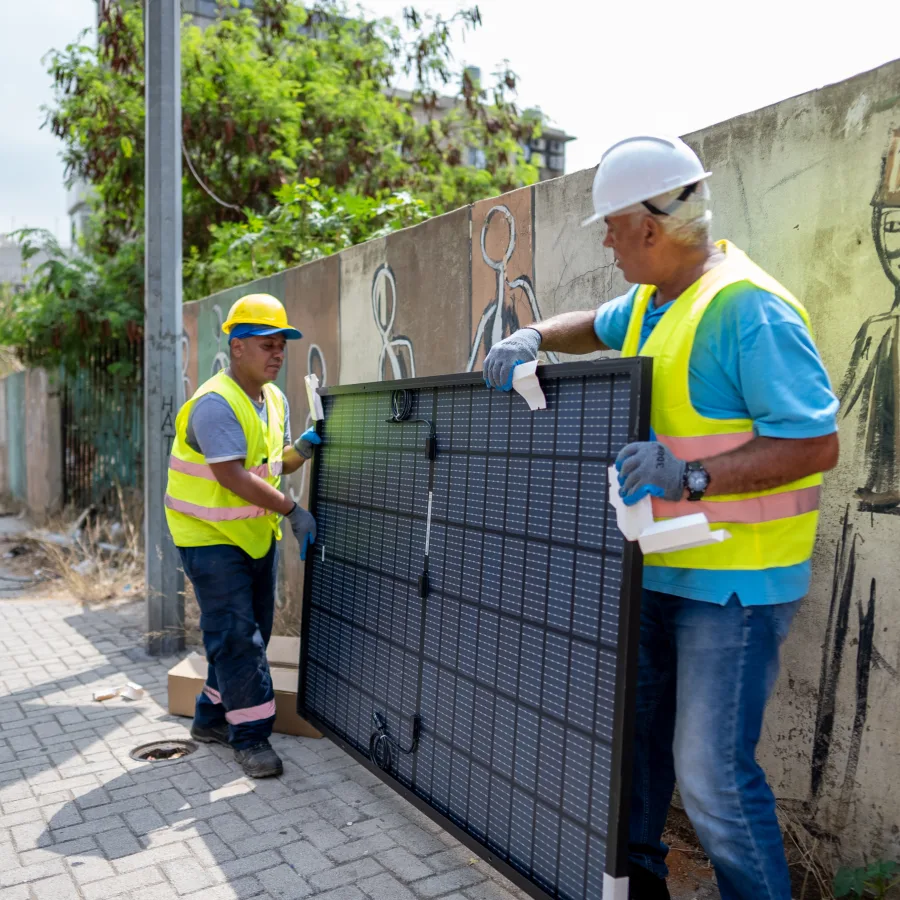
In Lebanon, under the Sustainable Integrated Municipal Actions project funded by the government of Germany through KfW Development Bank, the solarization of over 16 kilometres of urban streets and tunnels in Beirut and Bourj Hammoud has revitalized public safety and transit despite ongoing national grid shortages.
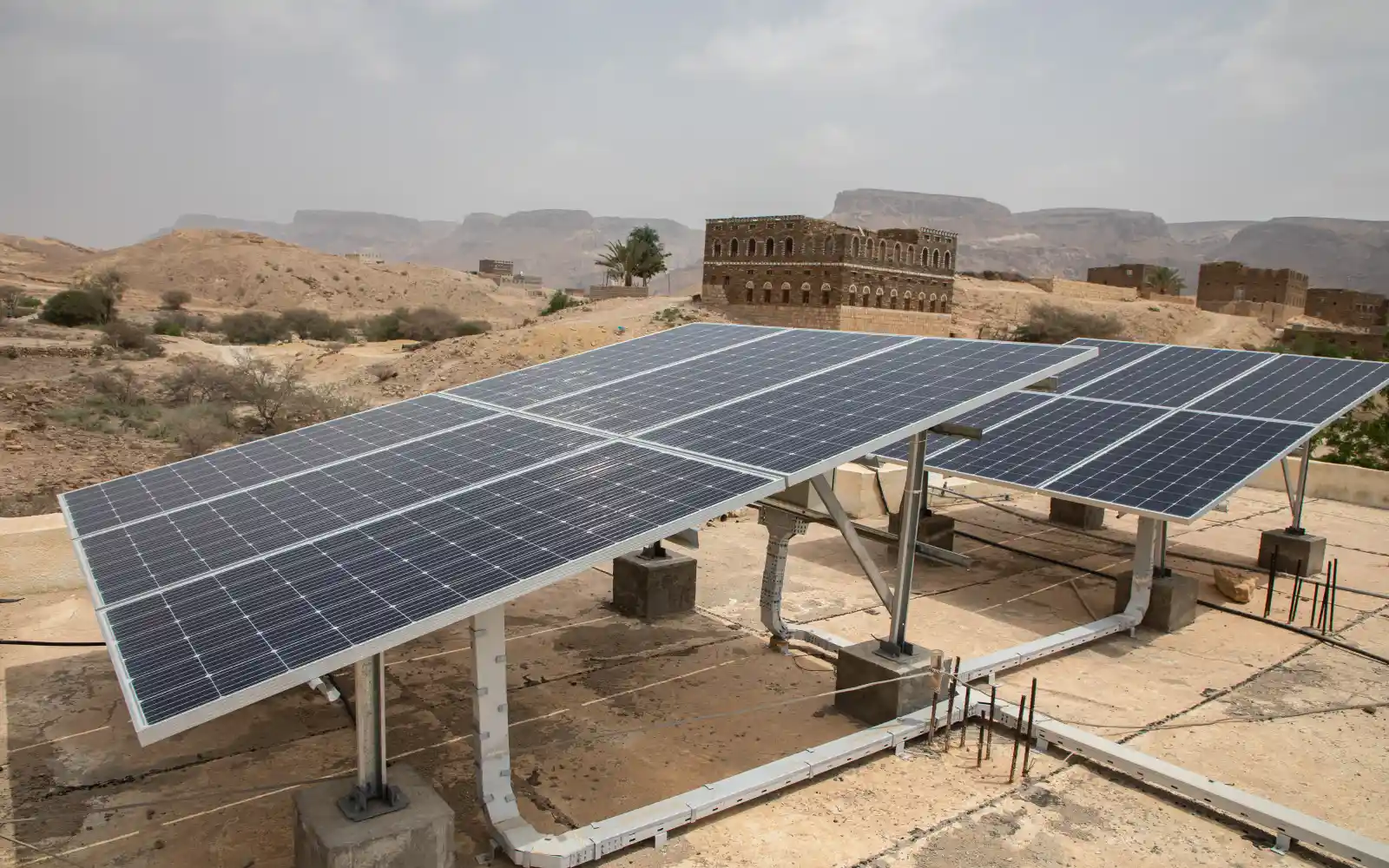
Securing access to clean water
2. SECURING ACCESS TO CLEAN WATER AND SANITATION
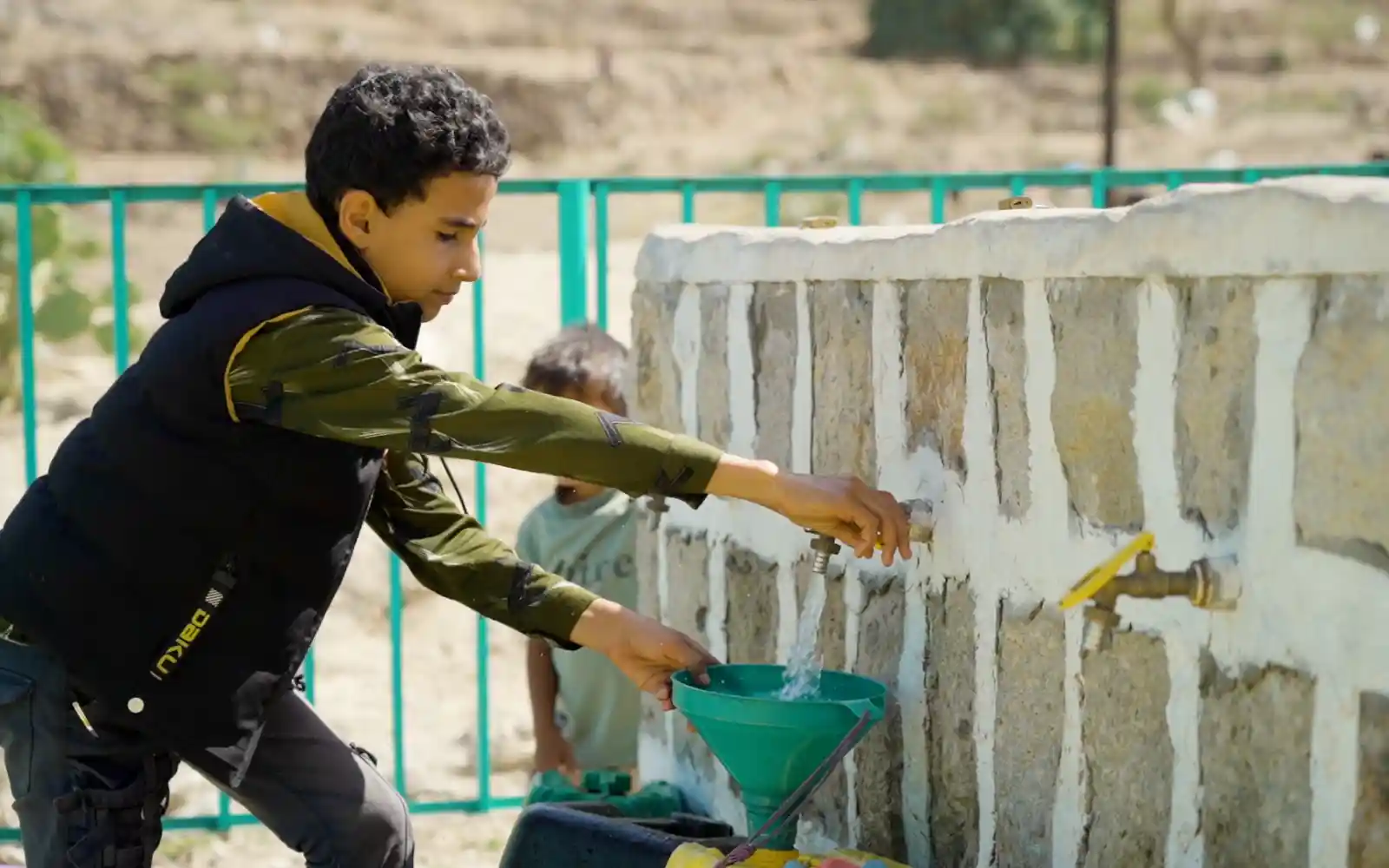
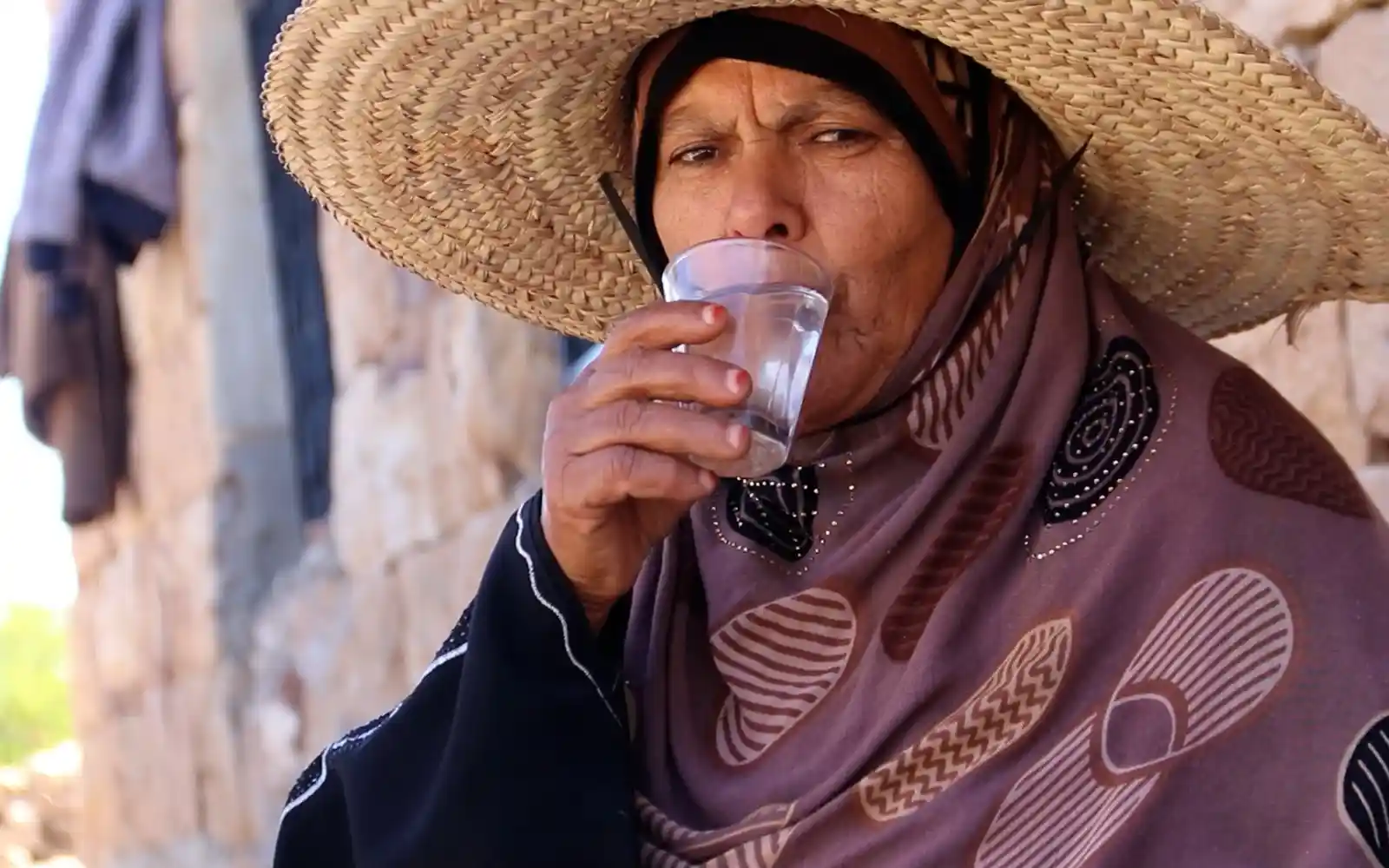
Water scarcity is one of the most pressing environmental threats in the region – a challenge severely worsened by weak or non-existent central electricity grids. By shifting to solar-powered pumping and treatment systems, UNOPS helps clean water flow more reliably without depending on volatile and costly fuel supplies.
In Yemen, under the Yemen Emergency Human Capital Project – financed by the World Bank – 49 solar energy systems are powering more than 120 water and sanitation facilities. Generating approximately 20,400 MWh of clean energy, these systems provide a critical lifeline of clean water to millions of residents in dense urban areas.
Ever since the well was restored, water has been constantly available… There’s a massive difference in our household and children’s cleanliness. We can wash our clothes regularly, and our children are now less at risk of diarrhea and skin diseases, thanks to the availability of water.
In Iraq, under the KfW-financed Local Infrastructure in Rural Anbar project, newly rehabilitated and equipped solar-powered drinking water stations in rural governorates, like Ninewa, are providing sustainable, emission-free access to clean water for thousands of community members returning to their homes following conflict.
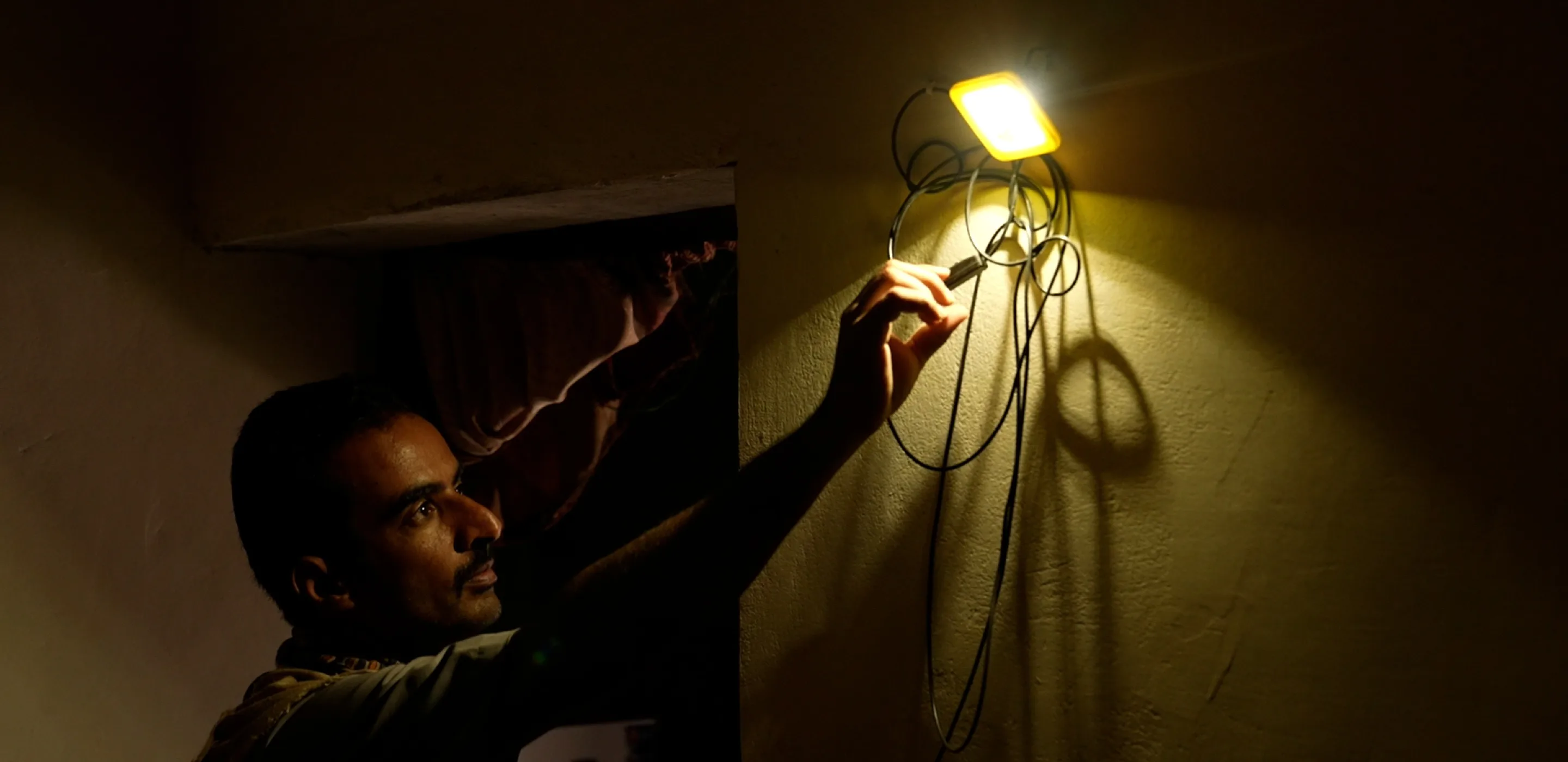
Powering critical services
3. POWERING CRITICAL HEALTHCARE AND EDUCATION
When critical infrastructure like hospitals and schools lose power, communities face immediate risks. Turning to renewable energy sources not only fosters long-term environmental sustainability but also safeguards access to essential services. To guarantee continuity during power crises, UNOPS is providing off-grid solar solutions, ensuring healthcare facilities and classrooms remain operational at all times.
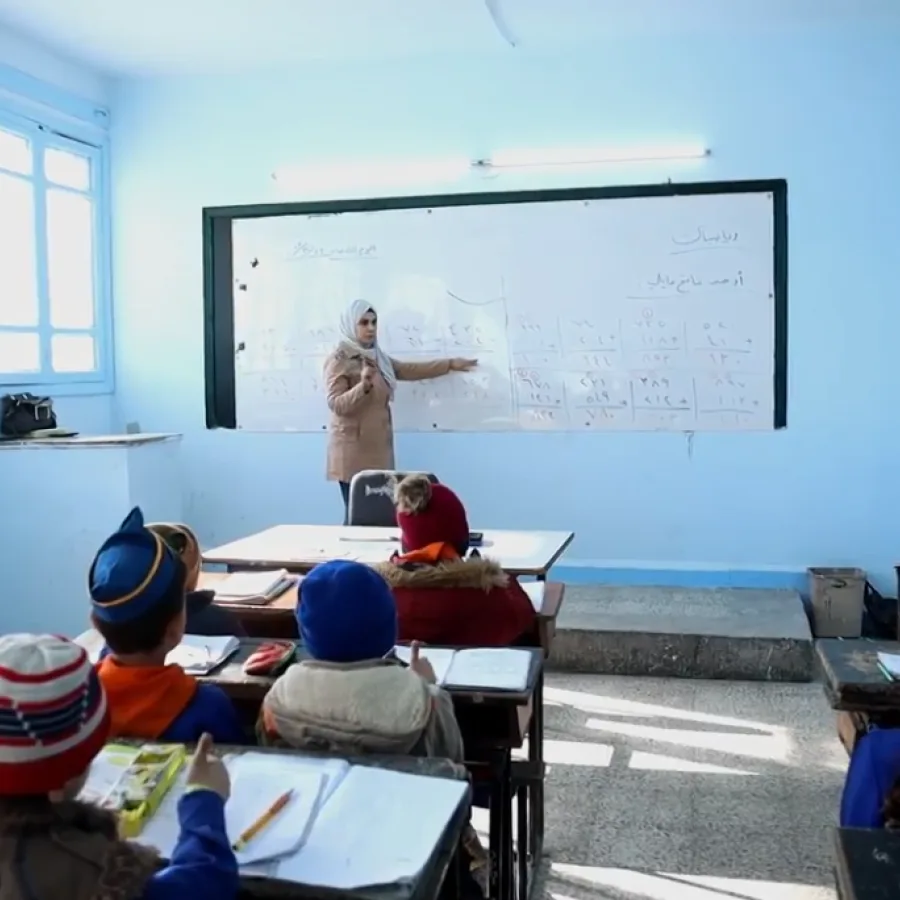
In Syria, where years of conflict damaged critical infrastructure and frequent electricity shortages left millions without access to essential services, UNOPS, with funding from the government of Japan, installed solar panels in five public schools and five primary health centres in Hama Governorate. The five health centres, which serve more than 57,000 people, can now provide critical services to patients in need.
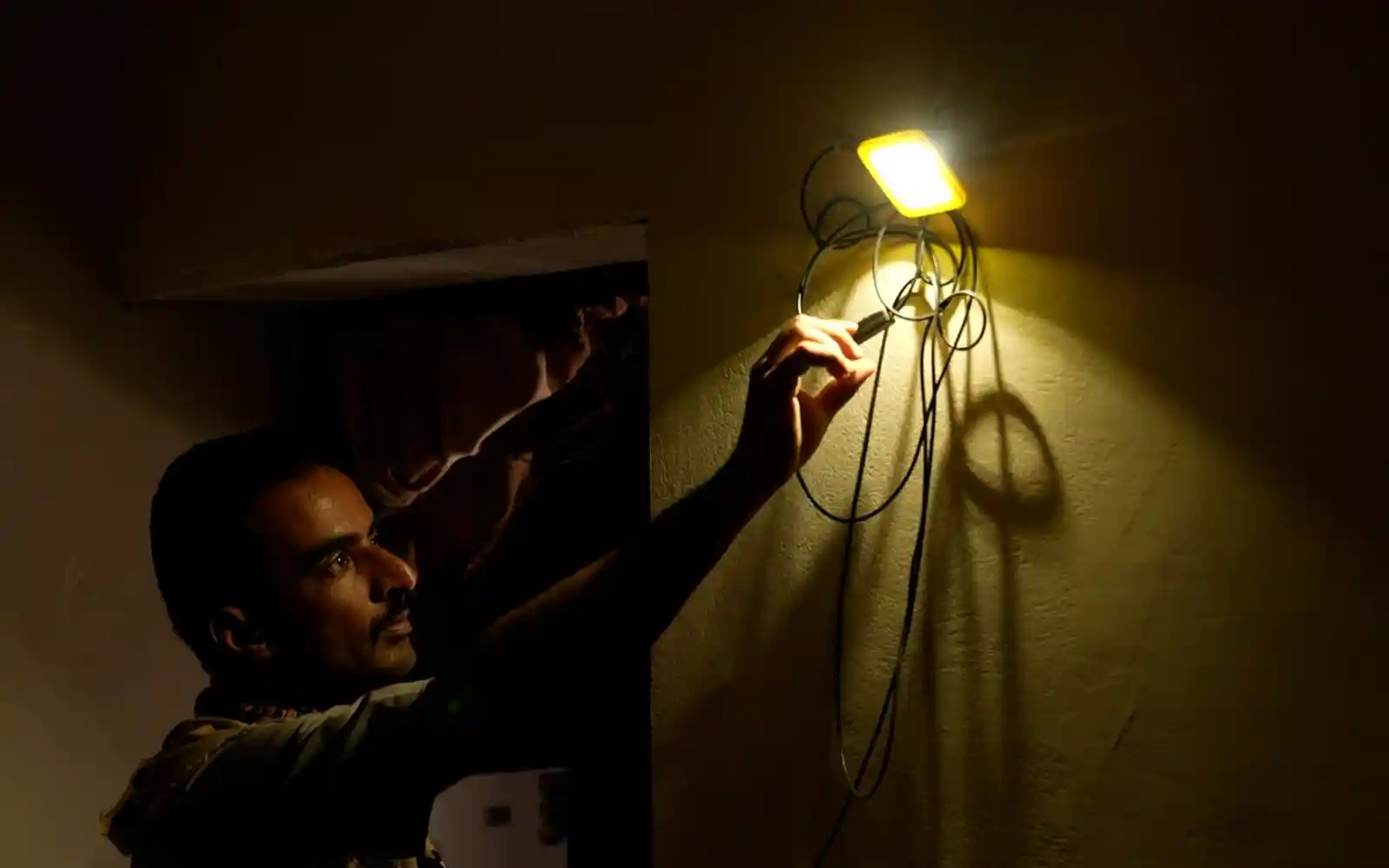
The situation was bad due to the continuous power cuts. A lot of services stopped at the dental clinic, and the reproductive health clinic. So did the treatment of asthma. The solar panels are helping us to provide many services to patients. Even for the laboratory. When a patient needs a test, it is possible now.
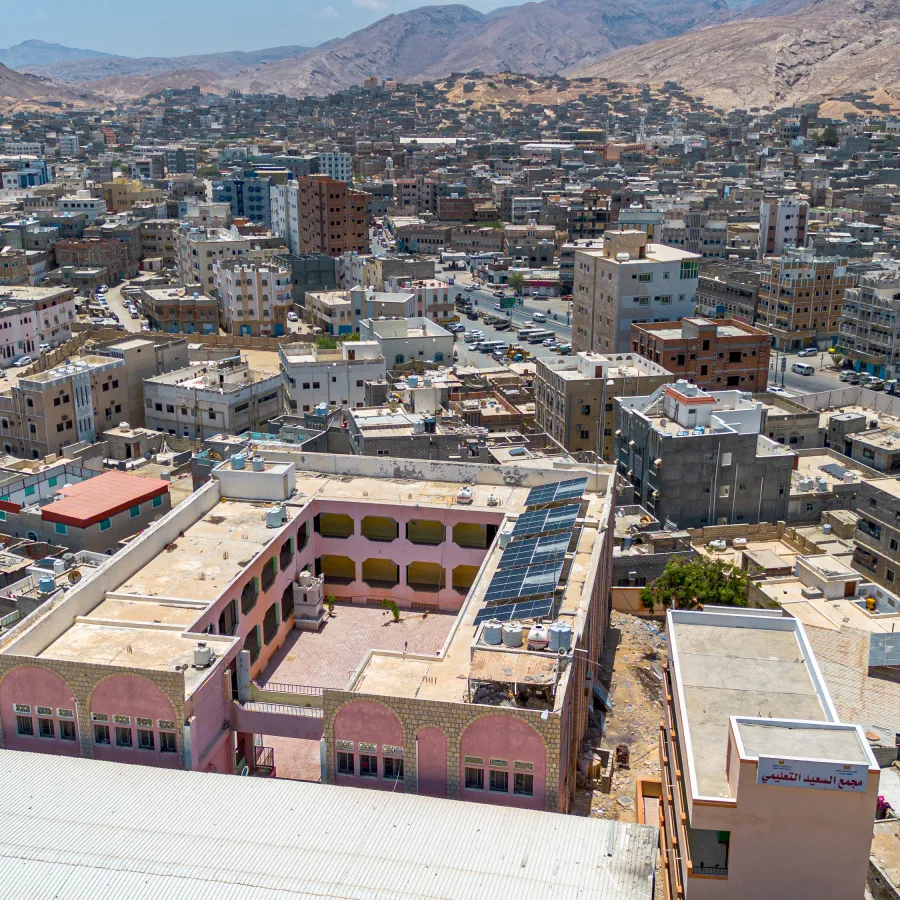
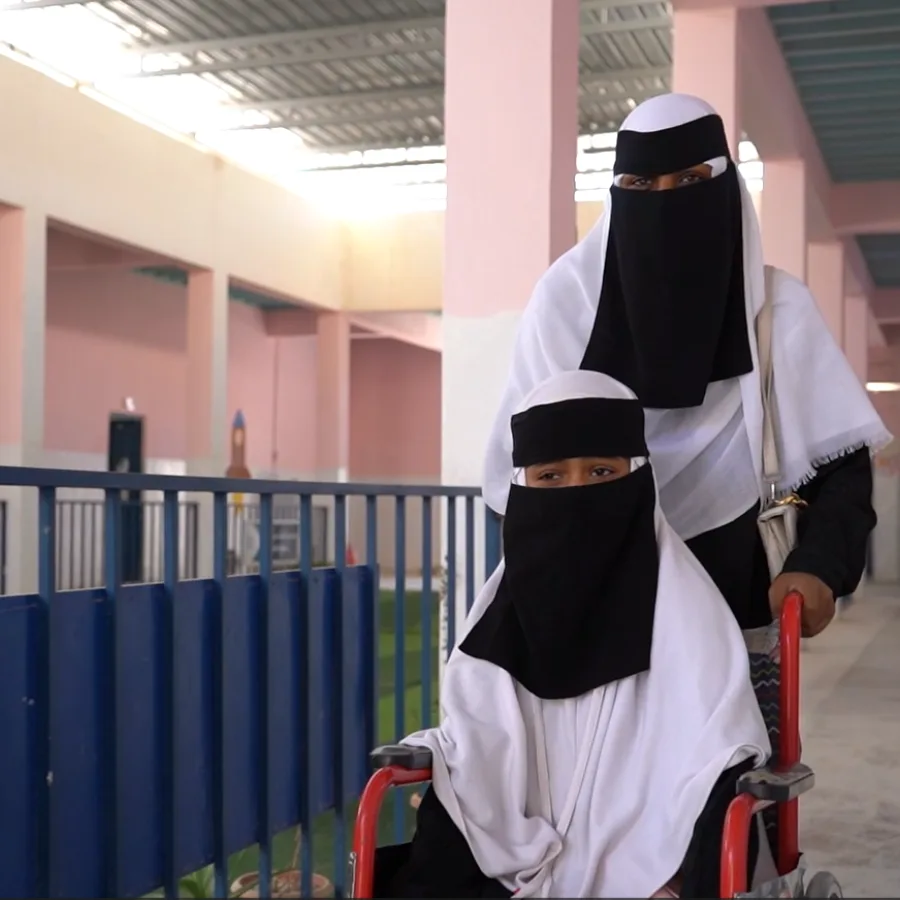
In Yemen, the Yemen Integrated Urban Services Emergency project has equipped 63 health facilities – including eight vital maternity and children hospitals – with reliable solar energy, keeping life-saving equipment online for more than 613,000 patients. Additionally, 55 schools and 34 university faculties have been solarized, dramatically improving daily learning conditions for students.
Through the World Bank-financed Yemen Emergency Electricity Access project, UNOPS solarized over 520 critical facilities such as schools, health centres and water pumping stations, reaching over 4 million people in rural and peri-urban areas, helping prevent over 25,000 tonnes of CO₂ annually.
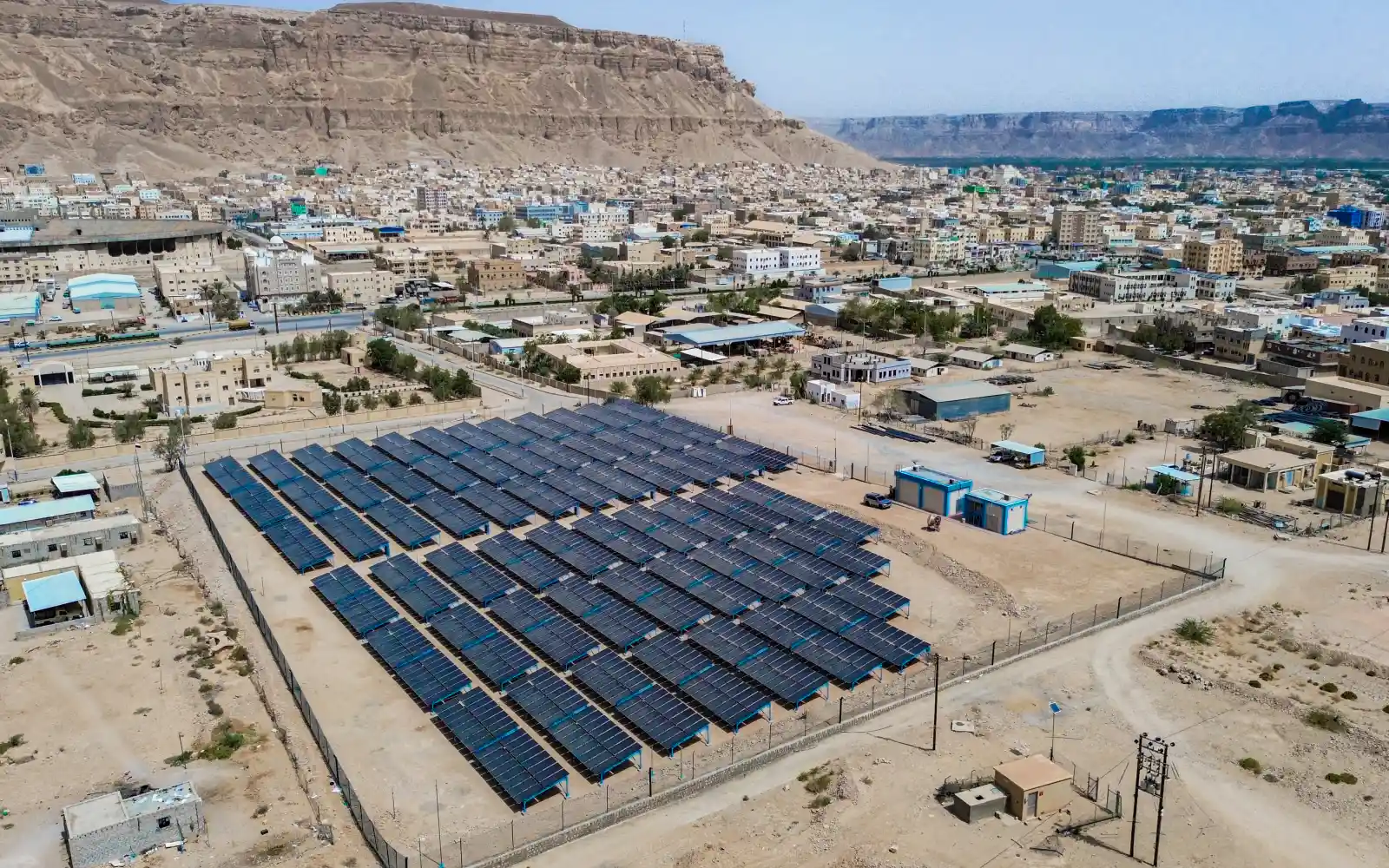
Powering homes
4. SOLAR-POWERED RECOVERY AT HOME
Building resilience to climate change means creating sustainable spaces where people live and gather. By anchoring urban and rural recovery in eco-friendly design, UNOPS is helping deliver infrastructure designed to thrive for the long term.
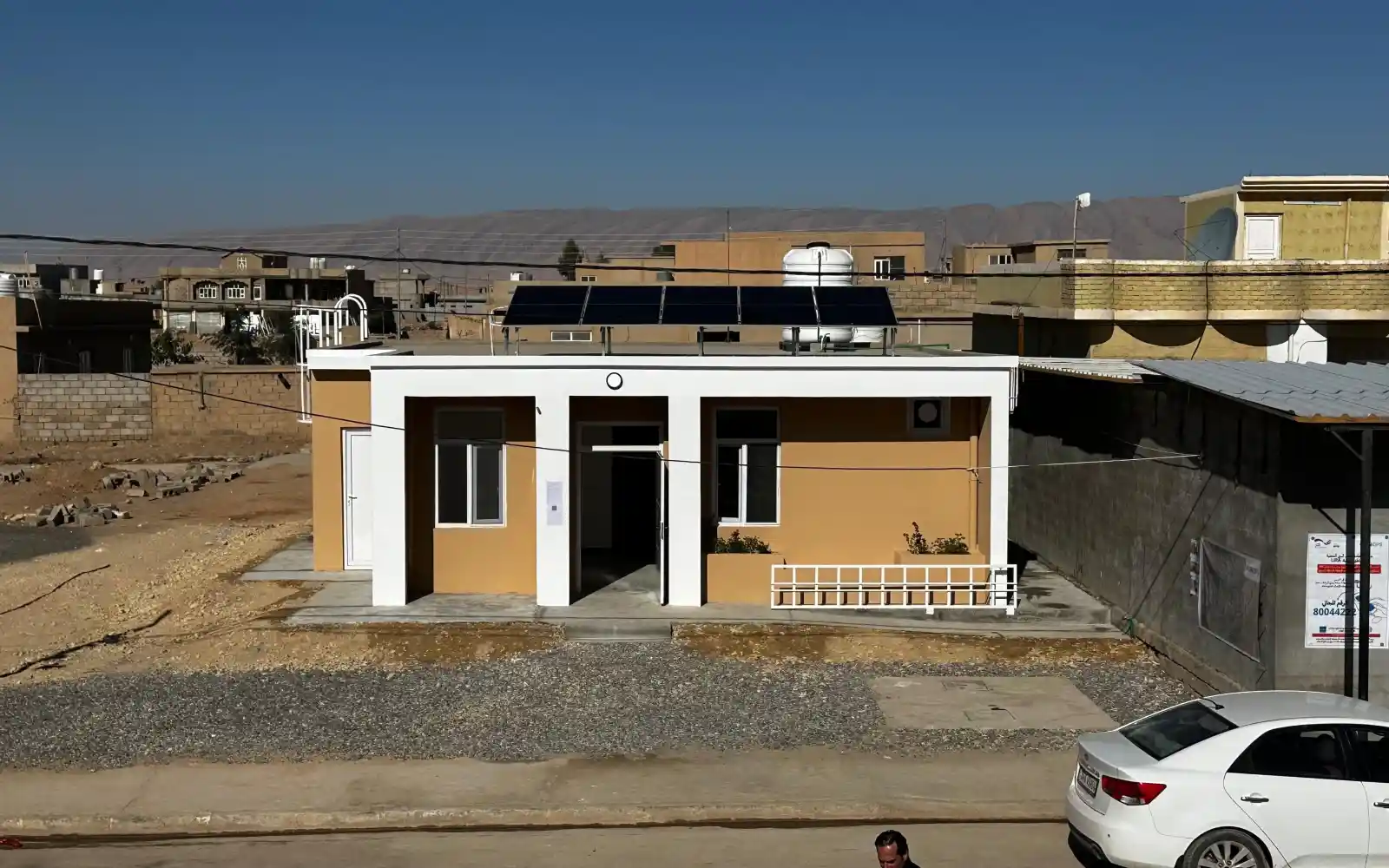
In post-conflict communities in the Sinjar and Anbar districts in Iraq, war-damaged shelters are being fitted with independent household solar power systems. This KfW-financed project provides residents with immediate, self-sufficient access to clean, renewable energy as they rebuild their lives.
And in Yemen, through the World Bank-financed Yemen Emergency Electricity Access Project, over 111,000 households in rural areas now have access to sustainable power supply through house solar systems.
We struggled before the solar system. My children weren’t able to study much. Since we got the solar system, they are studying and doing their homework on time. Their lives have become better. And we can cook and eat anytime. It has helped us very much.