


The United Nations Office for Project Services (UNOPS)
On the ground in Lebanon
Here are five ways UNOPS is working with partners to deliver urgent relief, scale-up support and build the foundations for recovery.
Here are five ways UNOPS is working with partners to deliver urgent relief, scale-up support and build the foundations for recovery.
Here are five ways UNOPS is working with partners to deliver urgent relief, scale-up support and build the foundations for recovery.
Lebanon continues to face significant humanitarian needs. With widespread displacement and severe damage to civilian infrastructure, the need for emergency shelter, essential supplies and psychosocial support is high.
Working closely with our partners, other UN agencies and local organizations, UNOPS is on the ground delivering immediate support while helping lay the groundwork for longer-term recovery.
1. Delivering critical relief and dignity supplies
For internally displaced persons living outside formal shelters in Beirut and Mount Lebanon, accessing basic daily necessities is a major challenge.
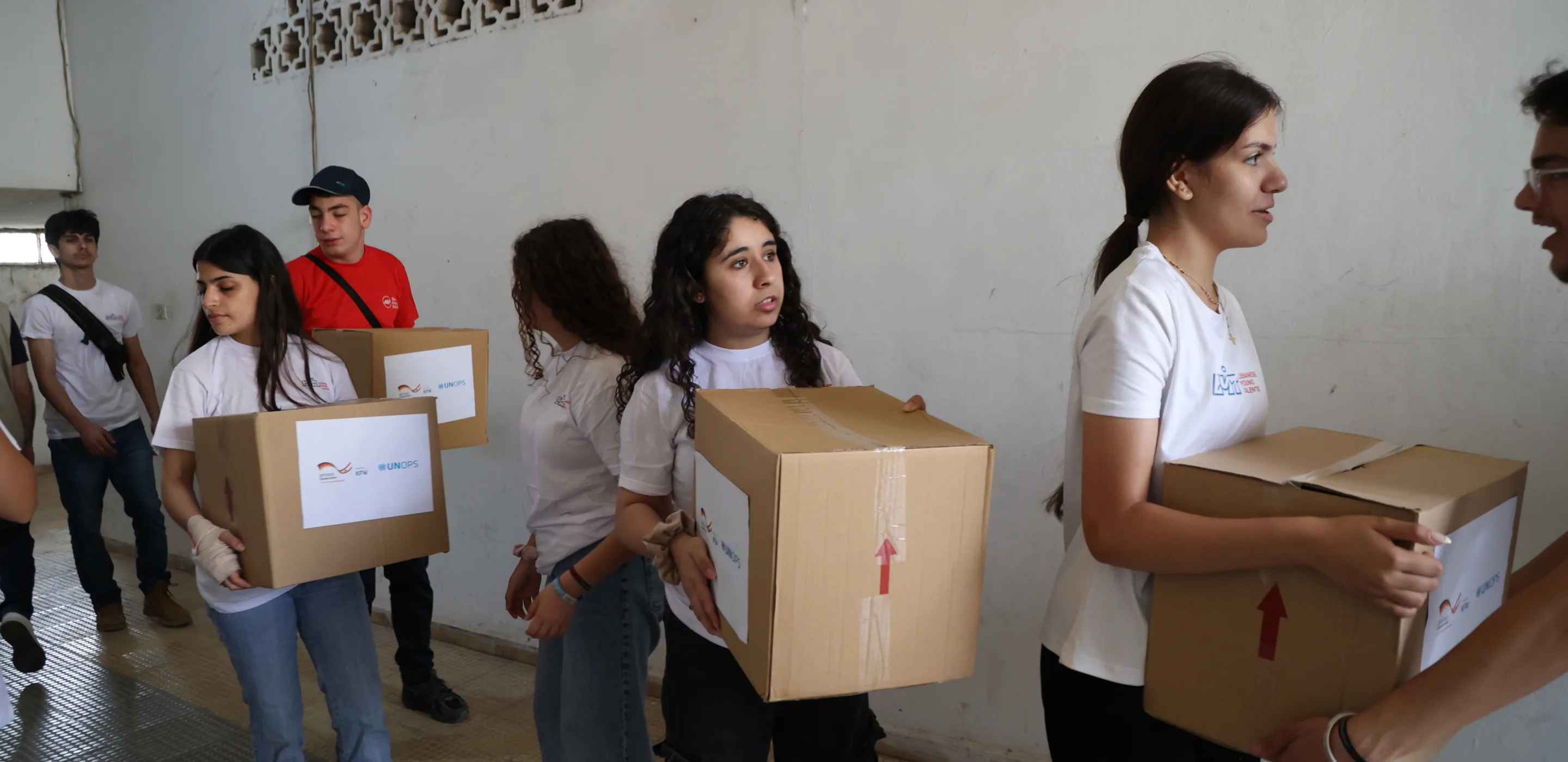
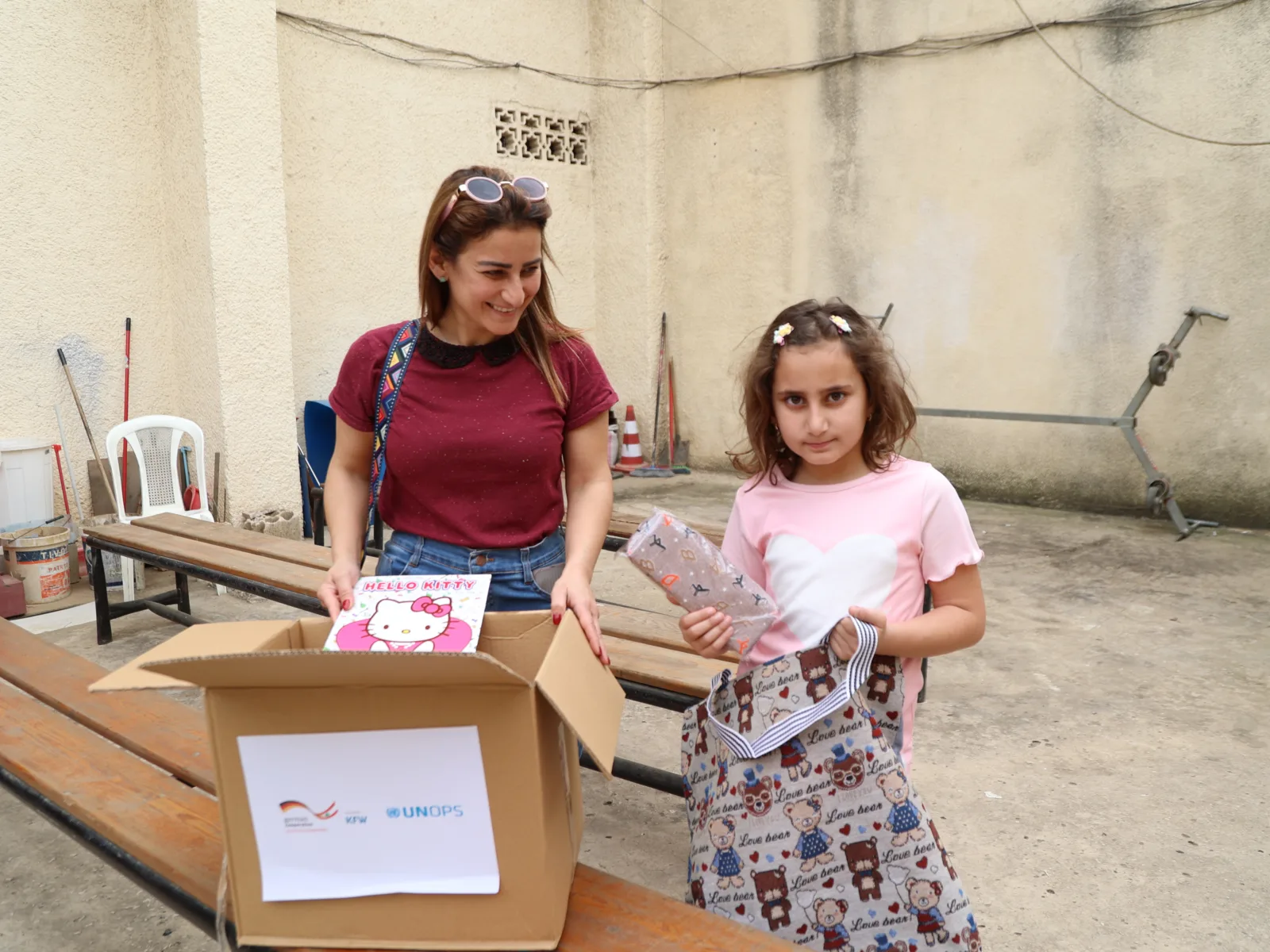
At the request of the German government – via KfW Development Bank – UNOPS quickly redirected resources within the Sustainable Integrated Municipal Actions project. Together with our partners, we distributed household essentials like mattresses, blankets and cleaning supplies.
We’re also providing specialized items, including first aid and dignity kits, rechargeable solar lamps, and educational kits for adolescents, helping maintain people's dignity and safety during displacement.
We left home in a rush and had nothing with us. Receiving this hygiene kit meant we could maintain basic cleanliness for our children.
2. Scaling up sanitation and hygiene in shelters
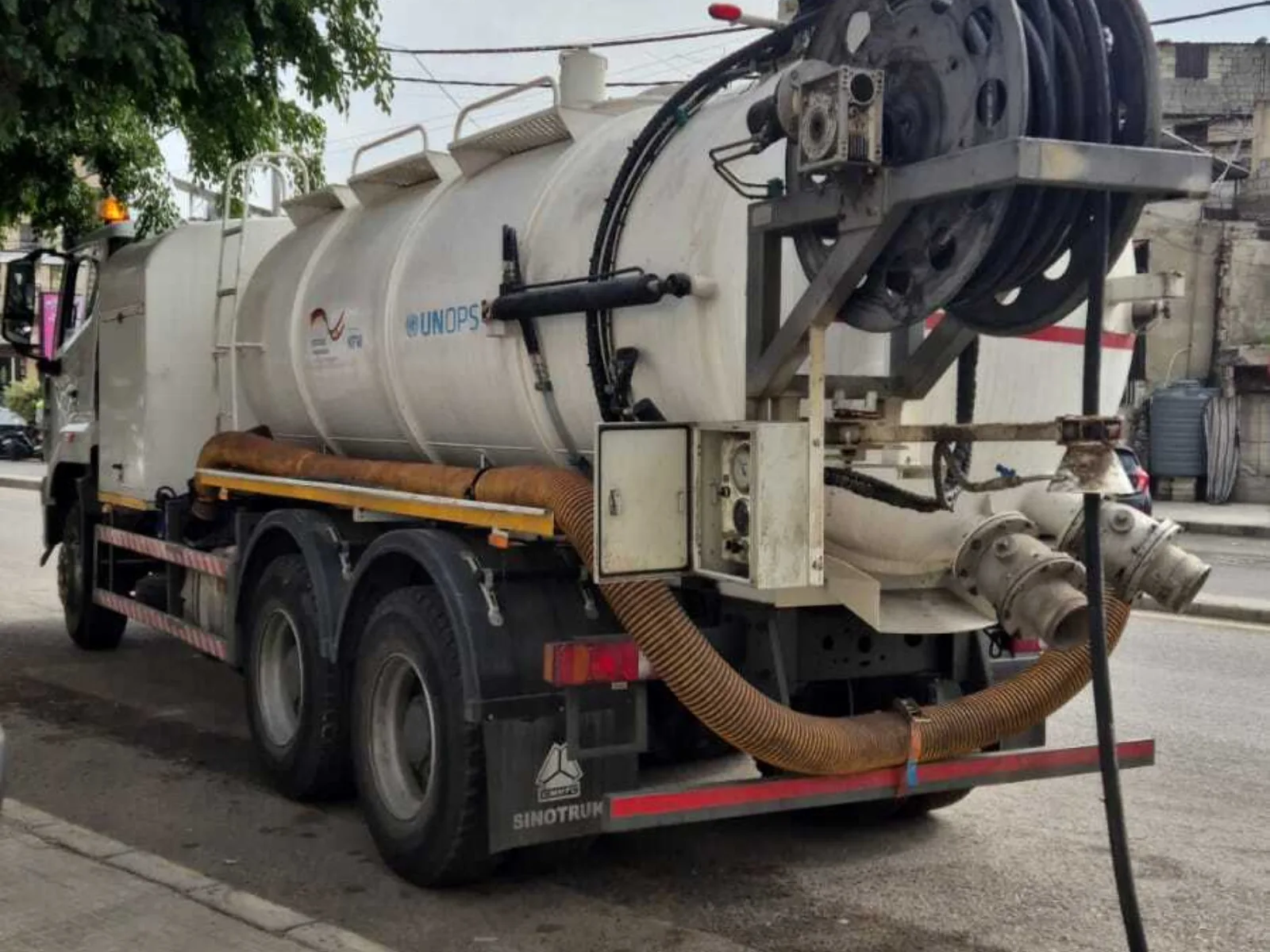
The influx of displaced persons into shelters has put immense pressure on local infrastructure. In collaboration with the Ministry of Environment, UNOPS through its implementing partners is helping to improve sanitation and living conditions to enhance the well-being, safety and dignity of displaced populations while reducing public health risks.
By providing waste management equipment, water storage solutions, solar water heaters and critical disinfectants, we are helping to mitigate environmental risks and create cleaner, safer spaces for those seeking refuge.
3. Providing vital psychosocial support
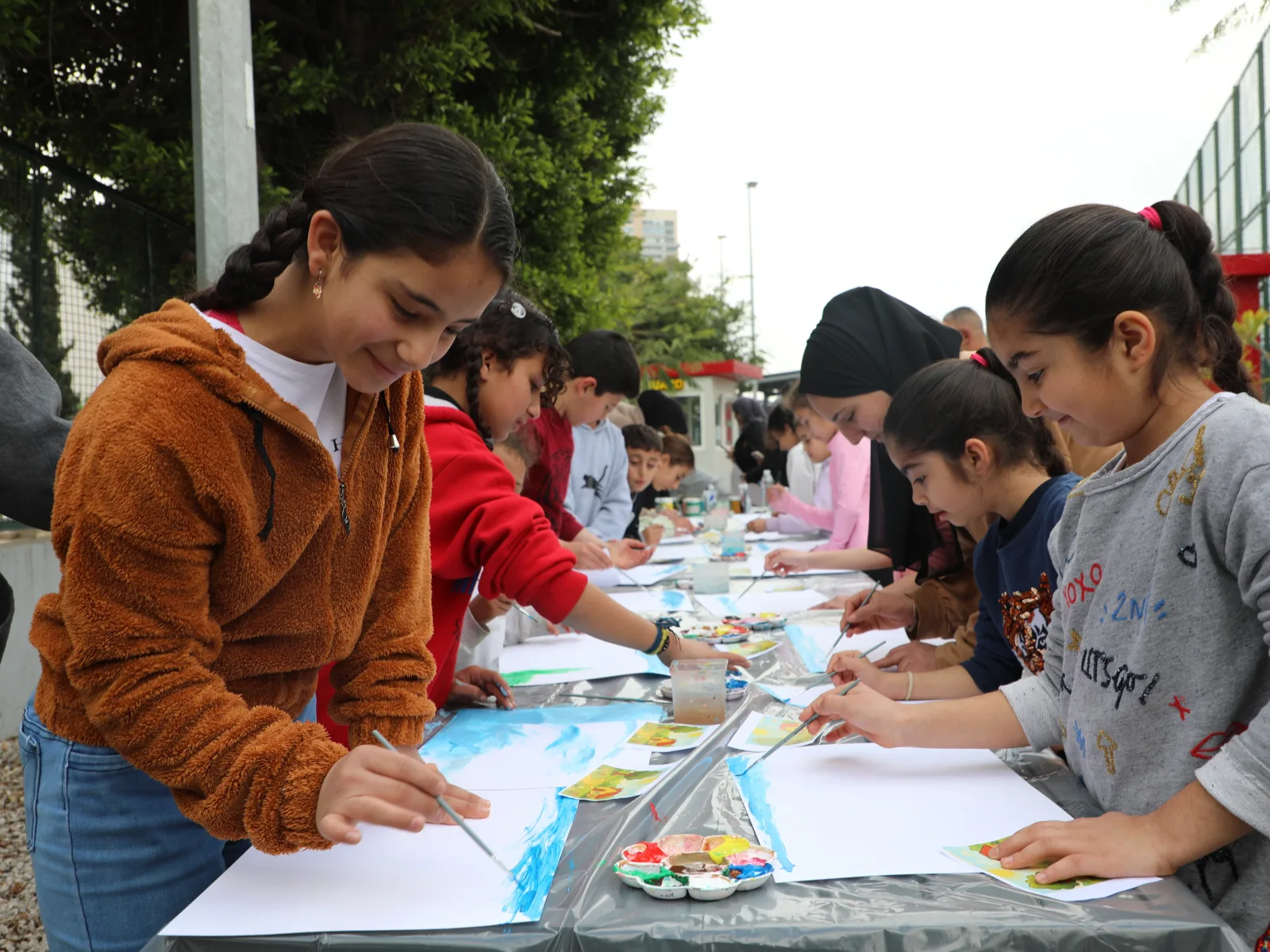
The emotional and mental health impacts of displacement, loss and prolonged uncertainty can be profound. Recognizing that emergency response must go beyond physical support, UNOPS local implementing partners – through the Sustainable Integrated Municipal Actions project – are facilitating community-based mental well-being and resilience sessions.
“I love being a part of the activities. I enjoy helping out, being involved and encouraging others around me to come and take part with us.” Ali, 7-years-old.
To date, over 3,500 displaced individuals have participated in more than 100 sessions designed to strengthen social cohesion and provide a safe space to process the trauma.
Through our continuous presence, our activities have become part of their routine. People wait for us and we’ve built a strong connection with many displaced individuals who now return regularly to the park and feel a sense of belonging here.
4. Boosting local emergency response efforts
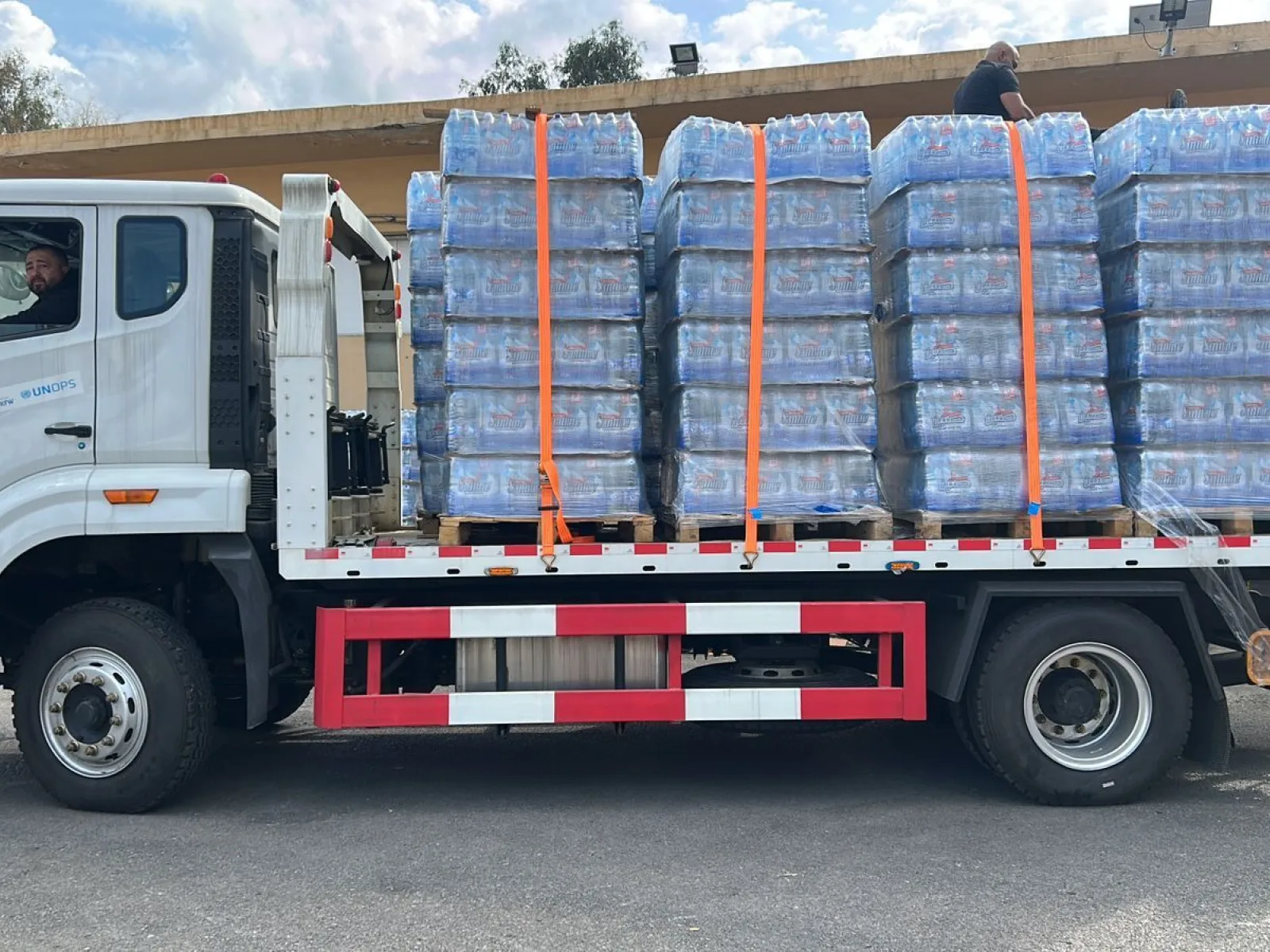
In late 2025, UNOPS provided the Municipality of Beirut with 12 specialized vehicles – including hydro-jetting trucks, cranes, lighting towers and loaders – through the Sustainable Integrated Municipal Actions project. Originally intended for routine public infrastructure maintenance, the Municipality quickly mobilized the equipment to support their emergency response. These vehicles are now being used for crucial nighttime rescue operations, debris clearance, sanitation management and emergency water distribution.
To date, this equipment has further facilitated over 700 deliveries of relief support, transporting 2,000 tonnes of aid to 152 different shelters. This has helped provide essential support to more than 53,000 internally displaced persons.
Your generous support has helped ease the suffering of those affected, and strengthened our teams’ ability to respond quickly and provide essential services effectively, reflecting your humanitarian commitment and the spirit of solidarity in times of crisis.
5. Transforming rehabilitated schools into safe havens
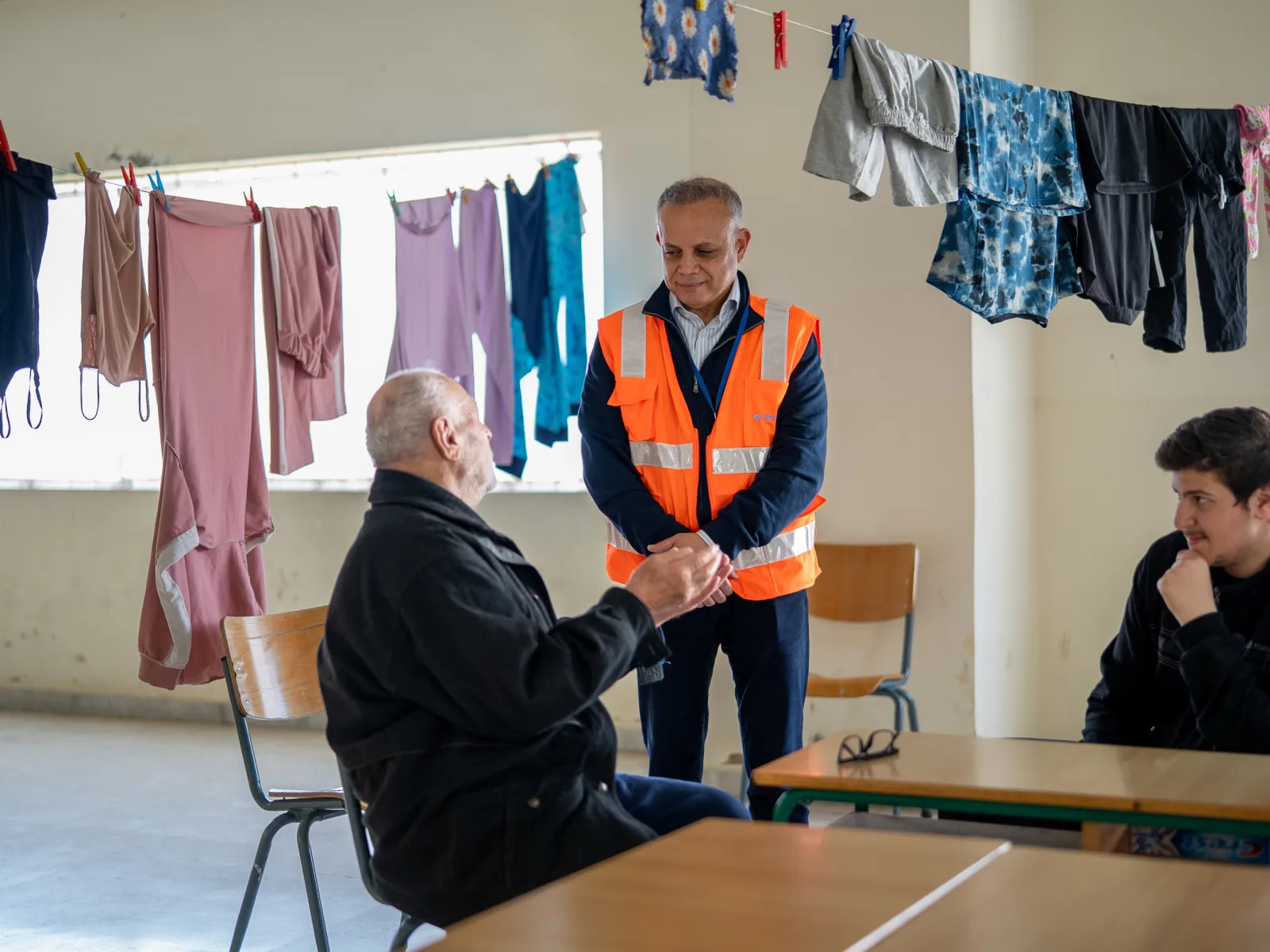
Long-term infrastructure investments are proving critical during the crisis. Out of nine public schools recently rehabilitated by UNOPS with funding from the Japan International Cooperation Agency, four are currently being utilized as official emergency shelters. Because these facilities were previously upgraded to be safe, accessible and functional, they are now providing immediate, reliable refuge for people who have lost their homes.
UNOPS is committed to supporting humanitarian response efforts in Lebanon to support people impacted by conflict.
In close coordination with the government of Lebanon, the UN system, and our international and local partners, UNOPS will continue to deliver immediate life-saving relief while strengthening the critical infrastructure needed for sustainable recovery. We stand ready to expand our operations to meet evolving needs.