



The United Nations Office for Project Services (UNOPS)
Paving the way to improved food security in Yemen
When conflict and climate change damage essential road infrastructure, food prices soar and communities are cut off. Rehabilitated climate-resilient roads are helping essential supplies reach those who need them most.
In Yemen, the hunger crisis is now a daily reality for over 18 million people facing acute food insecurity. In some regions, a barrier to food is not just a lack of it, but rather the challenges in moving it.
Years of conflict and a lack of road maintenance have left Yemen’s road network in a state of collapse, leading to high logistics costs and inflated food prices – a burden felt most by rural communities.
Climate risks are further exacerbating these challenges. Damaged or flood‑prone roads can disappear completely during the rainy season, cutting off households from affordable food and essential supplies.
With financing from the World Bank’s International Development Association, UNOPS has rehabilitated more than 150 kilometres of lifeline access roads, while over 238 kilometres have been maintained.
These climate-resilient upgrades provide safer, more reliable transport year-round – even during periods of heavy rainfall. By reducing travel times and transport costs, improved roads allow food to move more efficiently from farms to local markets and into the homes of those who need it most.
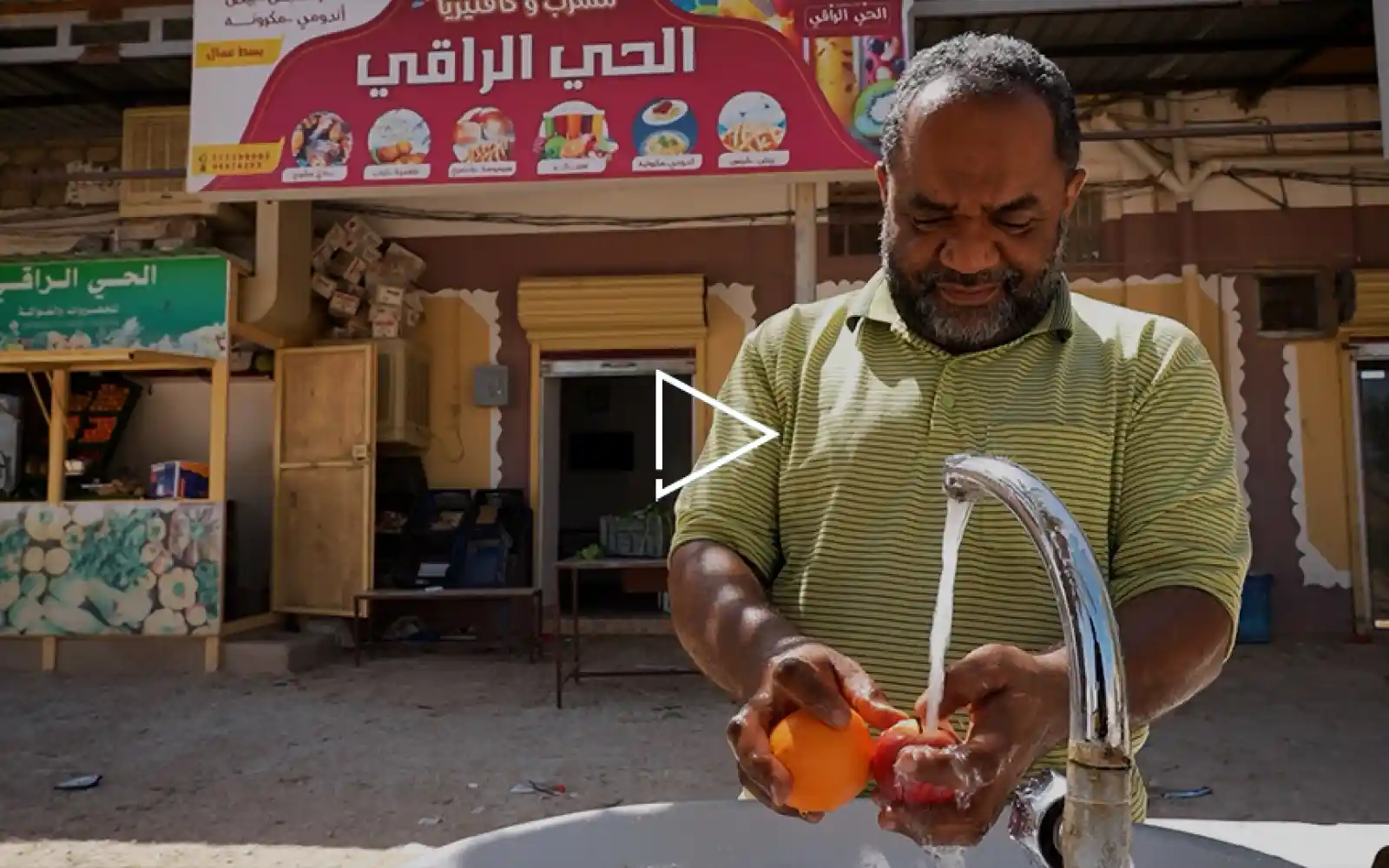
Watch to see the impact.
About the project
Financed by the World Bank and implemented by UNOPS, the Yemen Emergency Lifeline Connectivity Project (YELCP) is a $50 million project running from February 2022 through June 2026. The project focuses on rehabilitating climate-resilient rural and village access roads to enable year-round access for communities facing extreme weather.
Beyond infrastructure, the project drives economic recovery by creating short-term jobs through community micro-enterprises, while also promoting gender inclusion through a dedicated internship programme for women engineers. YELCP is also helping create stronger institutions through training and capacity building initiatives focused on the transport sector. This promotes the longer-term sustainability of the rehabilitated road networks.
Global Goals we are supporting through this initiative: