




The United Nations Office for Project Services (UNOPS)
From rubble to recovery: circular solutions for rebuilding communities shattered by conflict and crisis
New guidance developed by UNOPS with partner support highlights how rubble from disasters and conflicts can be used to help communities recover faster, reduce environmental impacts, and create local jobs and economic opportunities.
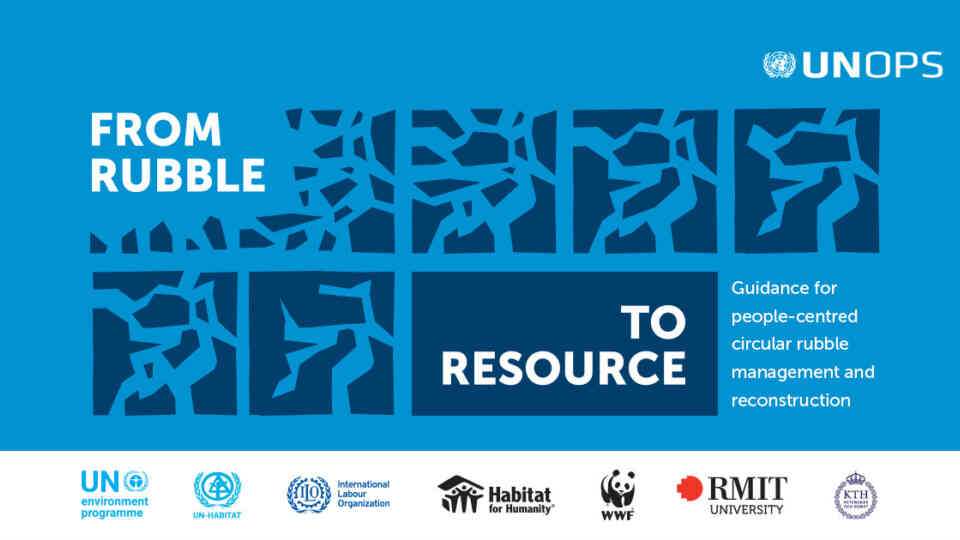
A new UNOPS publication, From rubble to resource: Guidance for people-centred circular rubble management and reconstruction, provides practical recommendations to help governments, local authorities, financiers and reconstruction partners implement circular approaches to rubble management and rebuilding efforts.
Communities who have survived the trauma of conflict and disasters deserve every opportunity to not only rebuild but build back better. By transforming rubble from waste into a resource, we can help communities recover faster while laying the foundations for a better and more sustainable future.
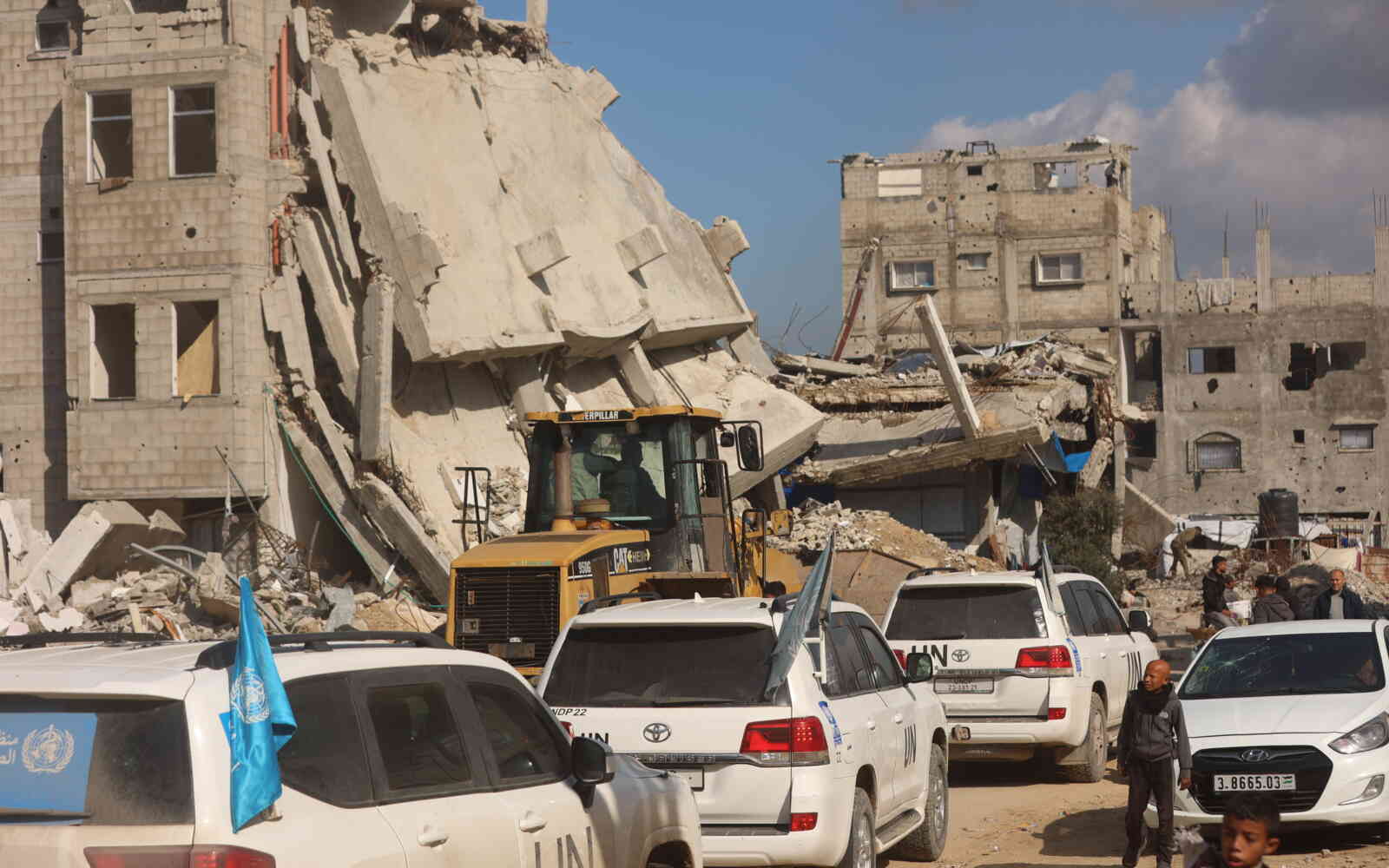
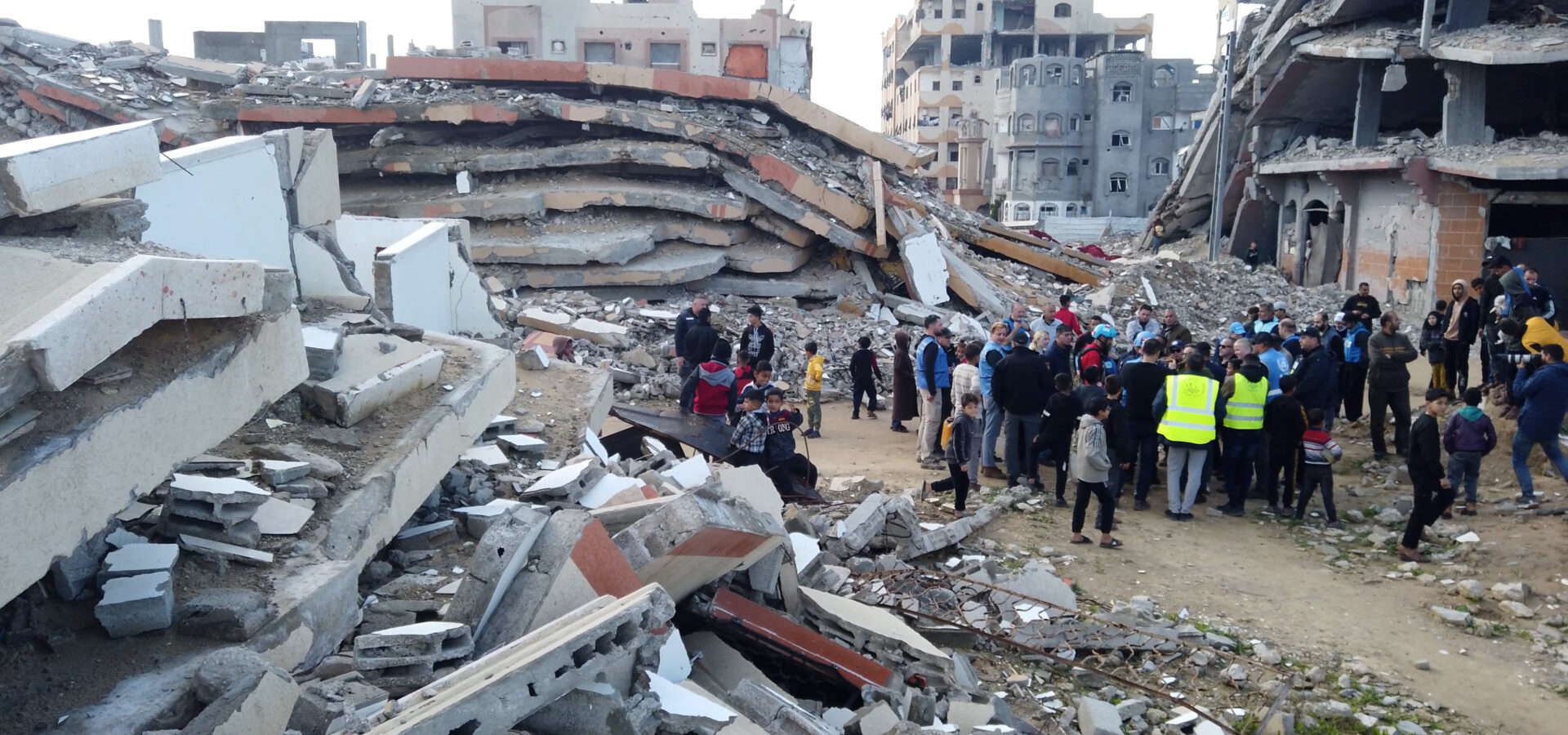
As conflicts and climate-related disasters continue to increase globally, millions of tonnes of debris are generated every year. Without effective management, rubble can overwhelm local waste systems, delay recovery and increase reconstruction costs.
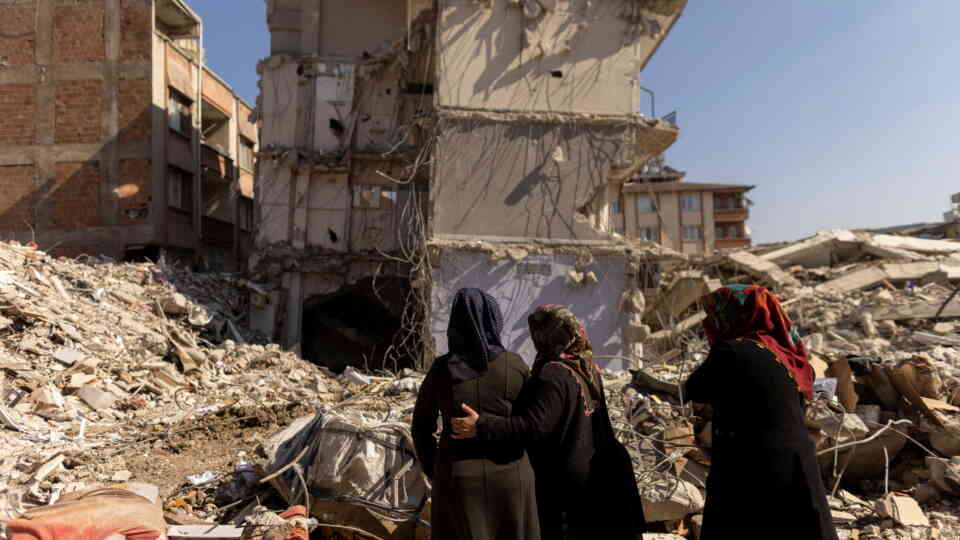
The report highlights how rubble can instead become part of the solution. By reusing materials from damaged buildings and infrastructure, communities can reduce dependence on costly and difficult-to-source construction materials while supporting local recovery efforts and lowering greenhouse gas emissions.
“Rubble is often seen as an obstacle to recovery and reconstruction. This guidance reimagines rubble as a resource, providing practical solutions for implementers, governments and donors to effectively implement people-centred circular rubble management as an enabler for sustainable recovery and reconstruction,” said Steven Crosskey, UNOPS Director for Infrastructure and Project Management (a.i.).
The guidance paper was developed with support from several UN organizations – the UN Environment Programme (UNEP), UN-Habitat and the International Labour Organization – as well as Habitat for Humanity, the World Wildlife Fund, RMIT University and KTH Royal Institute of Technology, and additional contributions from the UN Development Programme.
The publication promotes a people-focused circular approach to reconstruction that can improve public health, support local employment and reduce rebuilding costs.
The publication aims to support decision-makers and reconstruction partners in adopting more sustainable and inclusive approaches to recovery and rebuilding.