






The United Nations Office for Project Services (UNOPS)
New UNOPS report highlights how public procurement can boost jobs and skills
The report shows how governments can use public procurement to create jobs, build skills and support more inclusive economic growth.
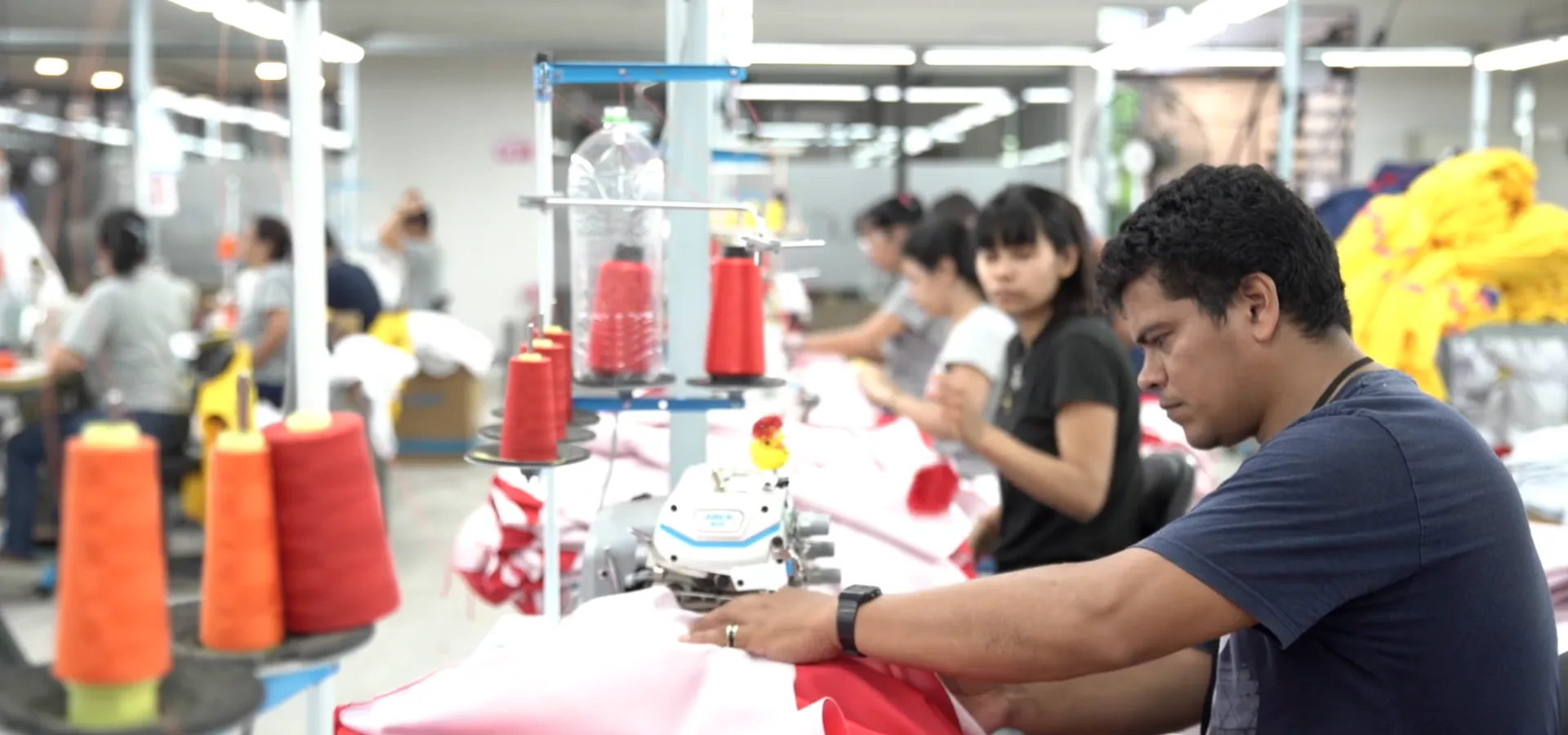
A new publication, ‘Leveraging public procurement for skills and job creation’ sets out a practical roadmap for turning everyday government spending into opportunities for people to learn and work.
Around the world, millions of people are looking for work but cannot find it. At the same time, employers are struggling to fill roles due to skills shortages. The report notes that 63 per cent of employers expect these gaps to slow business transformation in the coming years. Young people are among the most affected, with unemployment rates far higher than for adults.

Public procurement as a powerful but underused tool to address employment challenges related to skills shortages. Governments are among the largest buyers of goods and services – by setting clear requirements, they can encourage suppliers to hire locally, invest in training and create opportunities for people who face barriers to employment.
The report highlights how governments can make better use of limited resources. Instead of increasing spending, procurement can be used more strategically to deliver both infrastructure and social outcomes. This includes supporting the transition to a greener economy, which could create millions of new jobs if workers have the right skills.
The publication outlines a step-by-step approach for integrating skills development into procurement processes. It recommends aligning procurement policies with national priorities, focusing on sectors with the greatest skills shortages and ensuring requirements are realistic for suppliers.
It also shows how skills development can be built into each stage of the procurement cycle. Before tenders are issued, contracting authorities can identify opportunities for training. During the tender process, they can include criteria that reward suppliers for offering jobs and apprenticeships. After contracts are awarded, suppliers can track and report on training outcomes.
“Through this report, we urge governments, procurement professionals and partners to rethink how public funds are used. With the right approach, procurement can do more than deliver goods and services. It can open pathways to jobs, strengthen local economies and support long-term development,” said Anne-Claire Howard.