




The United Nations Office for Project Services (UNOPS)
“They pay the heaviest price in conflicts not of their making”
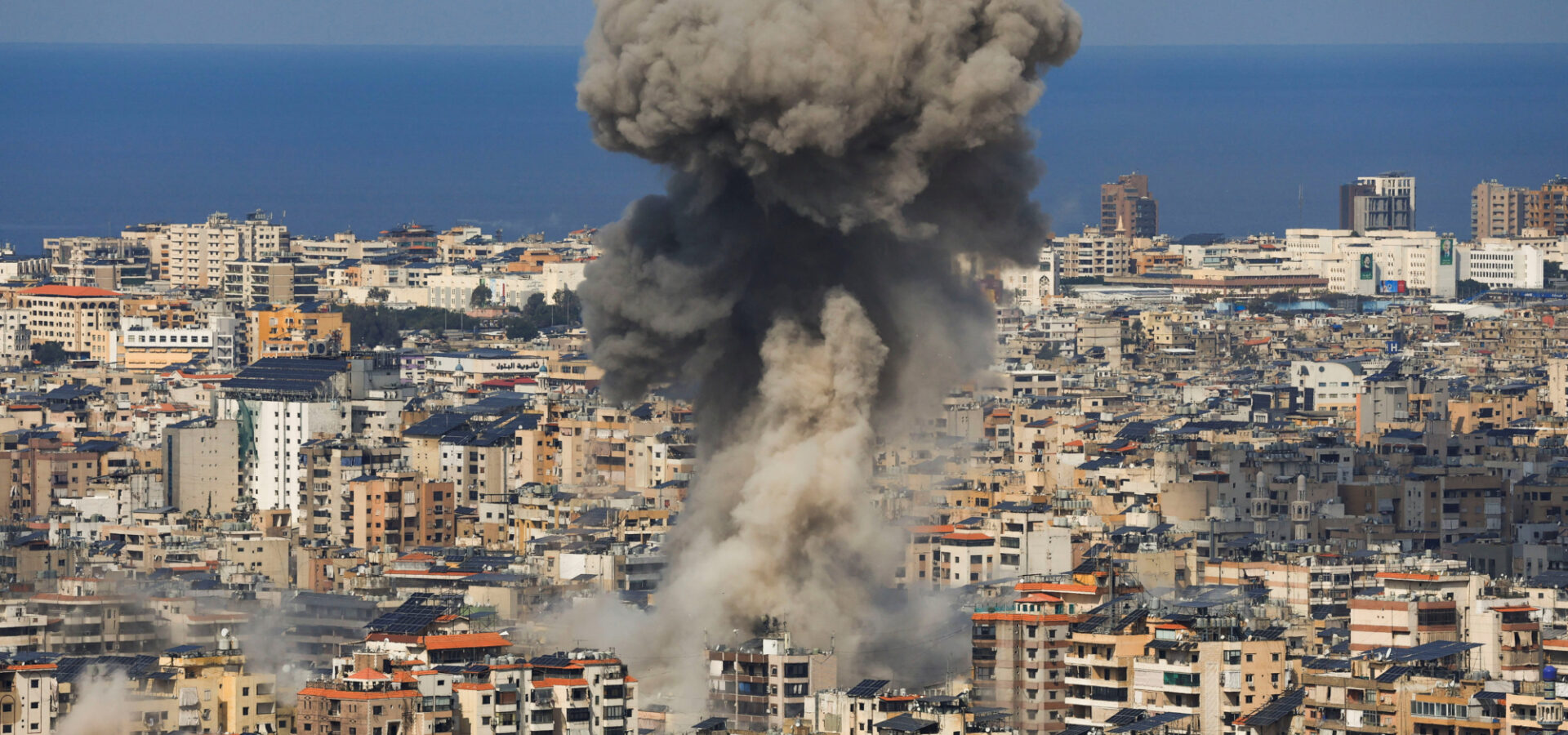
Escalation in the Middle East has a ripple effect on civilians and civilian infrastructure across the region.
In the Middle East, UNOPS operates in some of the world’s most challenging environments, working to maintain the continuity of basic services – including health, water and education – for the communities that need them most.
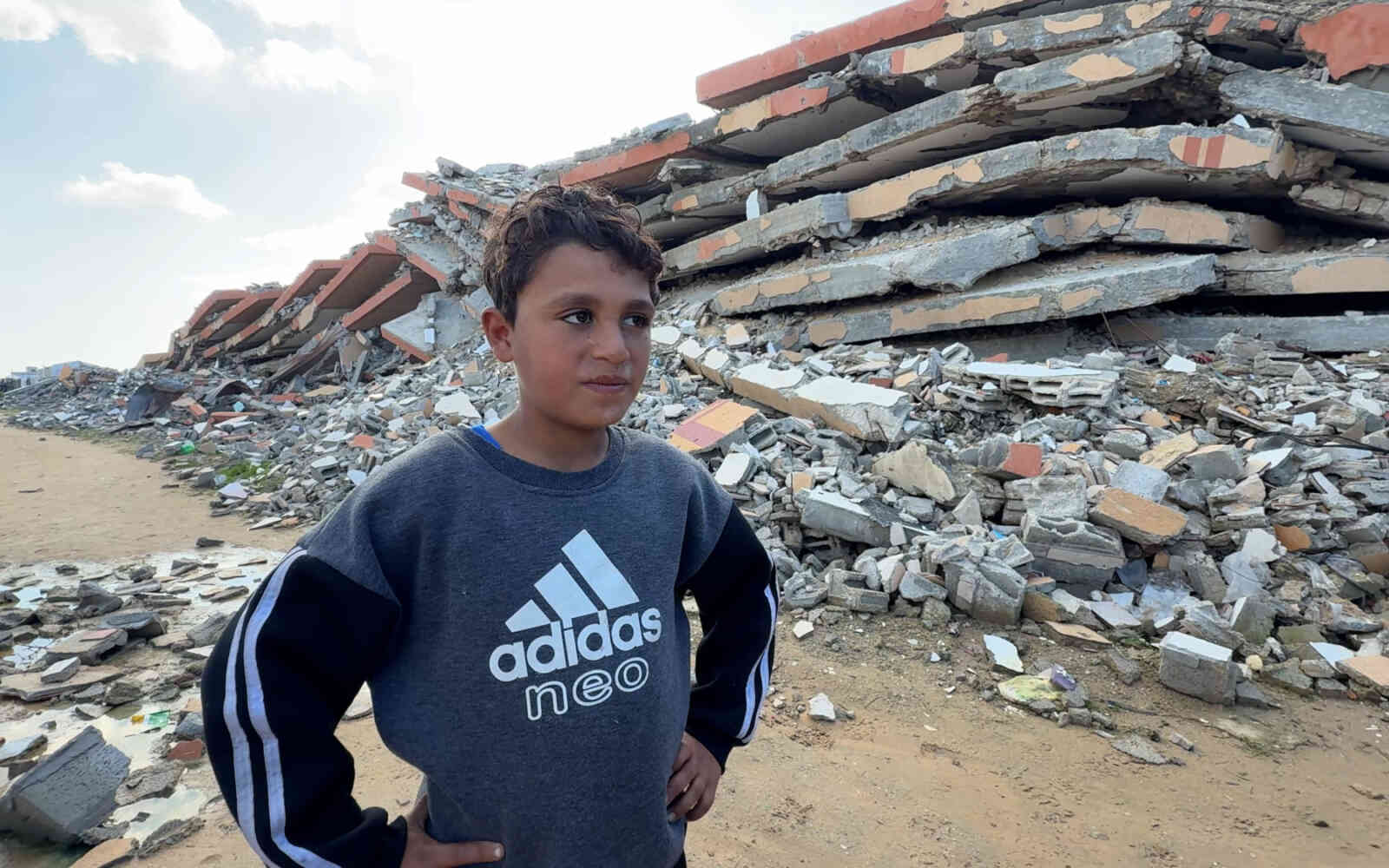
The region is already under immense strain – and the poorest are always disproportionately affected. Ninety percent of people in Syria live below the poverty line. In Lebanon, over 40 per cent of the population lives in poverty following years of economic collapse. In Gaza, people there are living through a humanitarian crisis due to the brutal war since October 2023.
The ongoing escalation in the Middle East is taking a devastating toll on civilians and the fragile civilian infrastructure they depend on for survival.
At UNOPS, we aim to help people impacted by these catastrophes. We stay and deliver where it matters most – rebuilding and repairing civilian infrastructure, enabling critical systems to continue functioning.
As ever, civilians are the most and first to suffer in any war or conflict. It’s the children, older people, and ordinary men and women. They pay the heaviest price in conflicts not of their making.
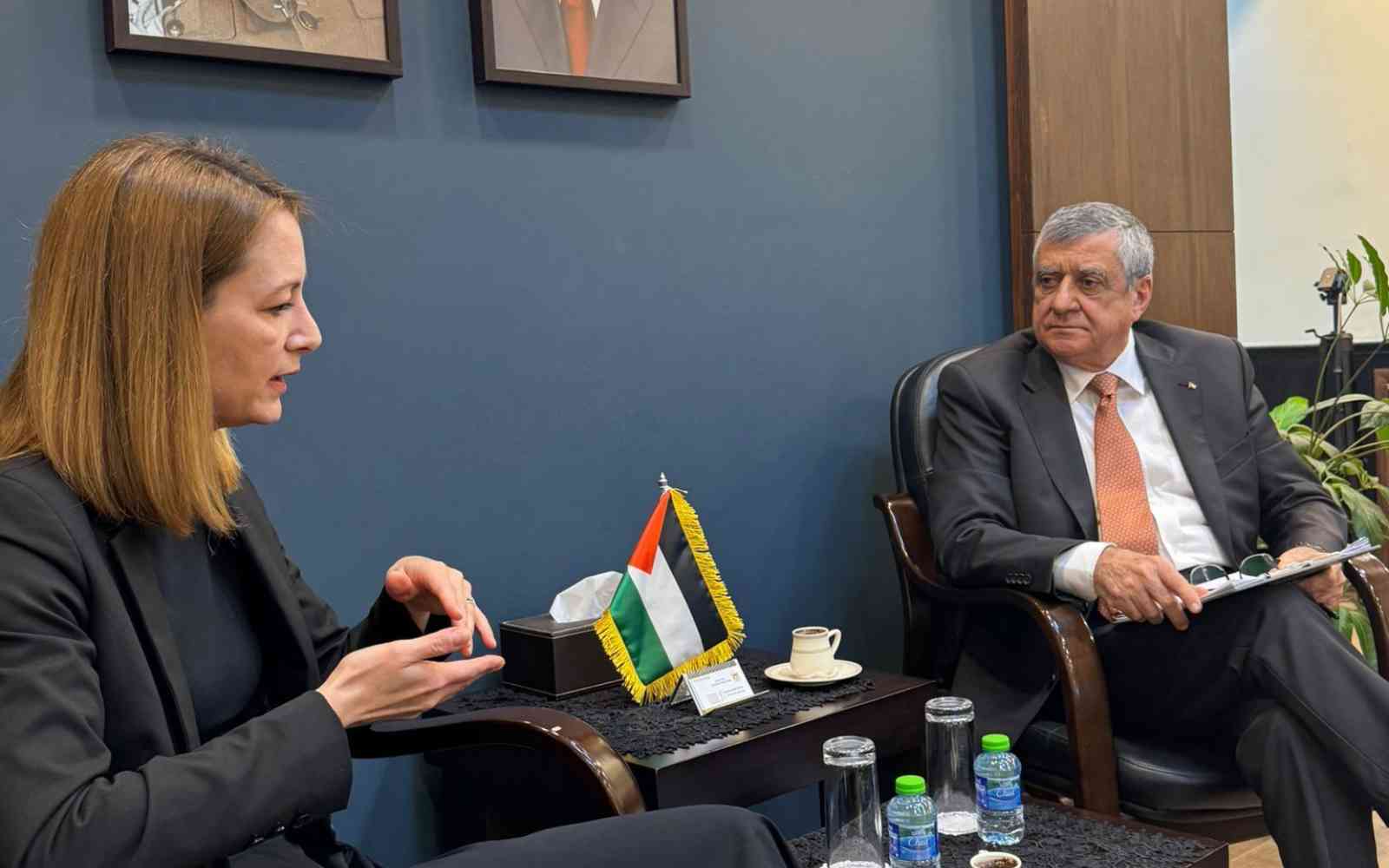
“People across the Middle East need and deserve a long-awaited peace. It’s time for courage and a peaceful end for the decades-long conflicts,” added Jorge Moreira da Silva.
From Lebanon, Iraq and Syria, to Gaza, Jordan and Yemen, UNOPS stands ready to expand its operations – together with local and international partners – to meet the evolving needs of the people who need it most.
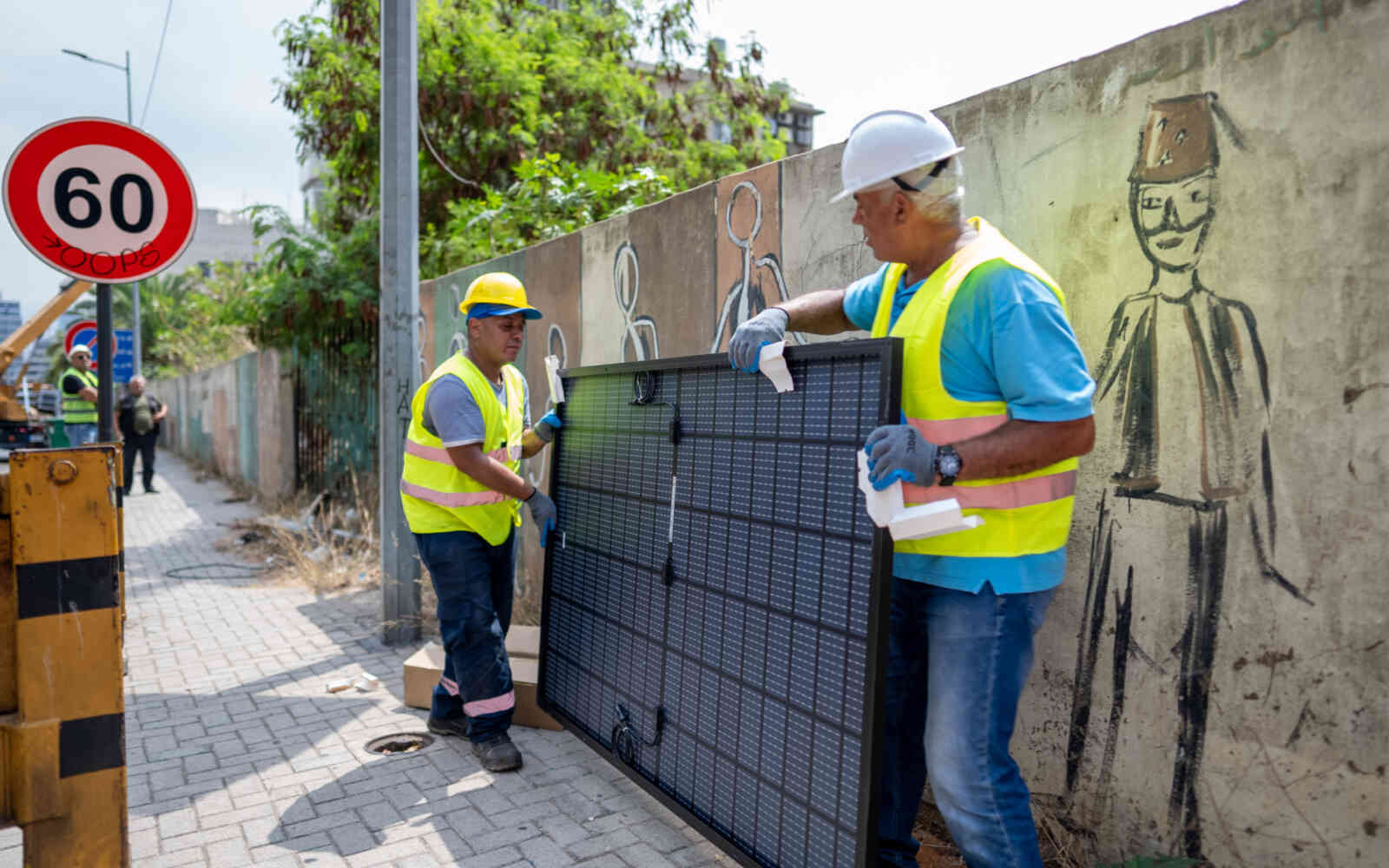
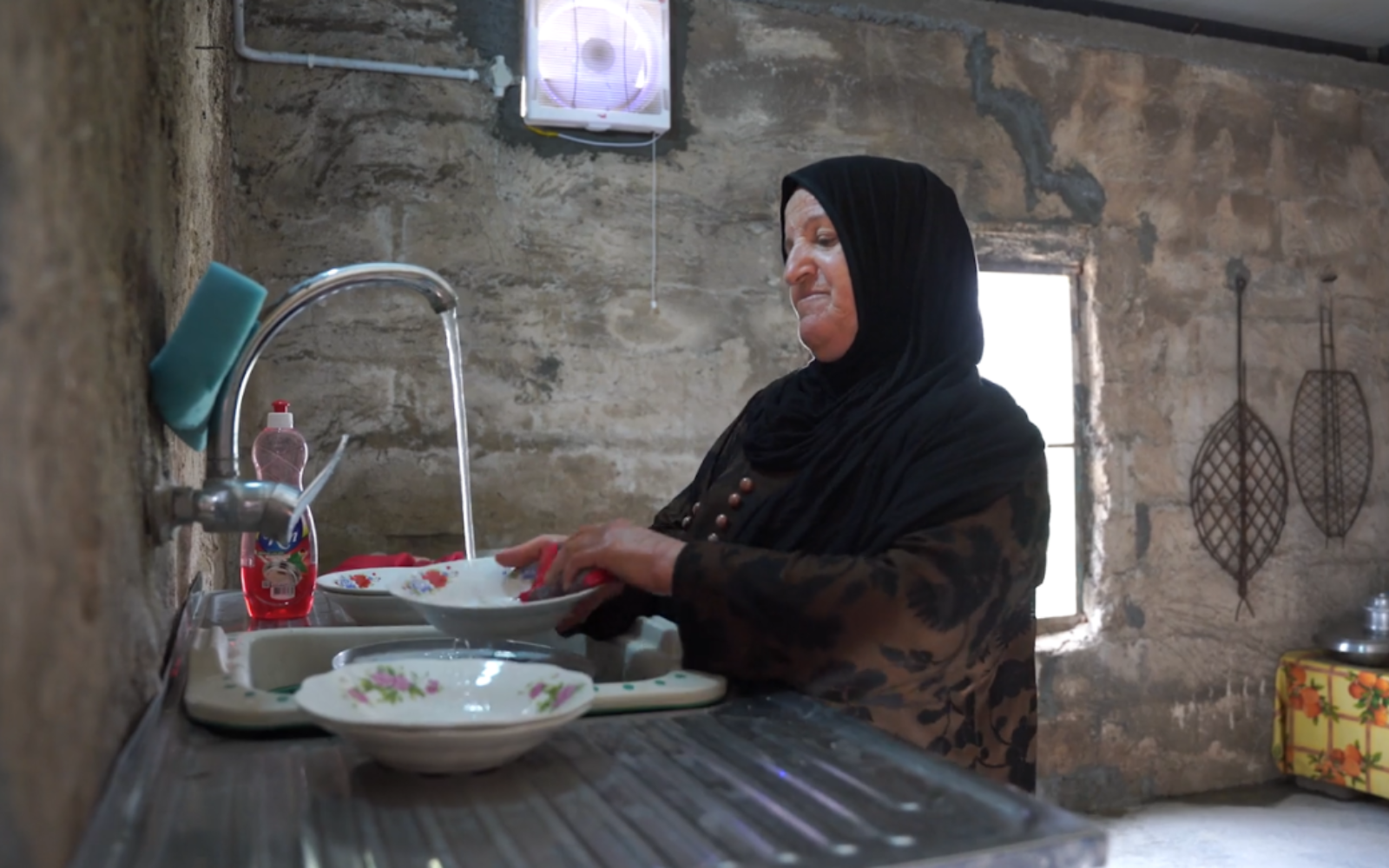
In Lebanon, there’s been a sharp escalation, with reports of over 65,000 newly displaced persons searching for safety that is extremely difficult to find. Damage to civilian infrastructure across the south and Beirut continue to be reported. Despite these challenges, our teams continue to work with partners to rehabilitate public infrastructure and enhance access to public services in Beirut and Bourj Hammoud.
In Syria, our teams are working to bridge the gap between emergency aid and recovery – though the Nexus Response Mechanism – and by improving access to life-saving health services in Hama, Aleppo and Homs.
In Iraq, the UN continues to monitor regional spillover risks. With partners, our team is working on restoring vital services in conflict-affected areas, and rehabilitating war-damaged shelters and public infrastructure. This work is helping nearly half a million people reclaim their quality of life.
In Jordan, we continue to focus on building resilience for refugees and host communities by providing vital livelihood opportunities for vulnerable populations and improving facilities at more than 500 schools across the country. Thousands are also benefitting from improved access to healthcare services across the country and access to water in vulnerable communities through the rehabilitation of critical water networks.
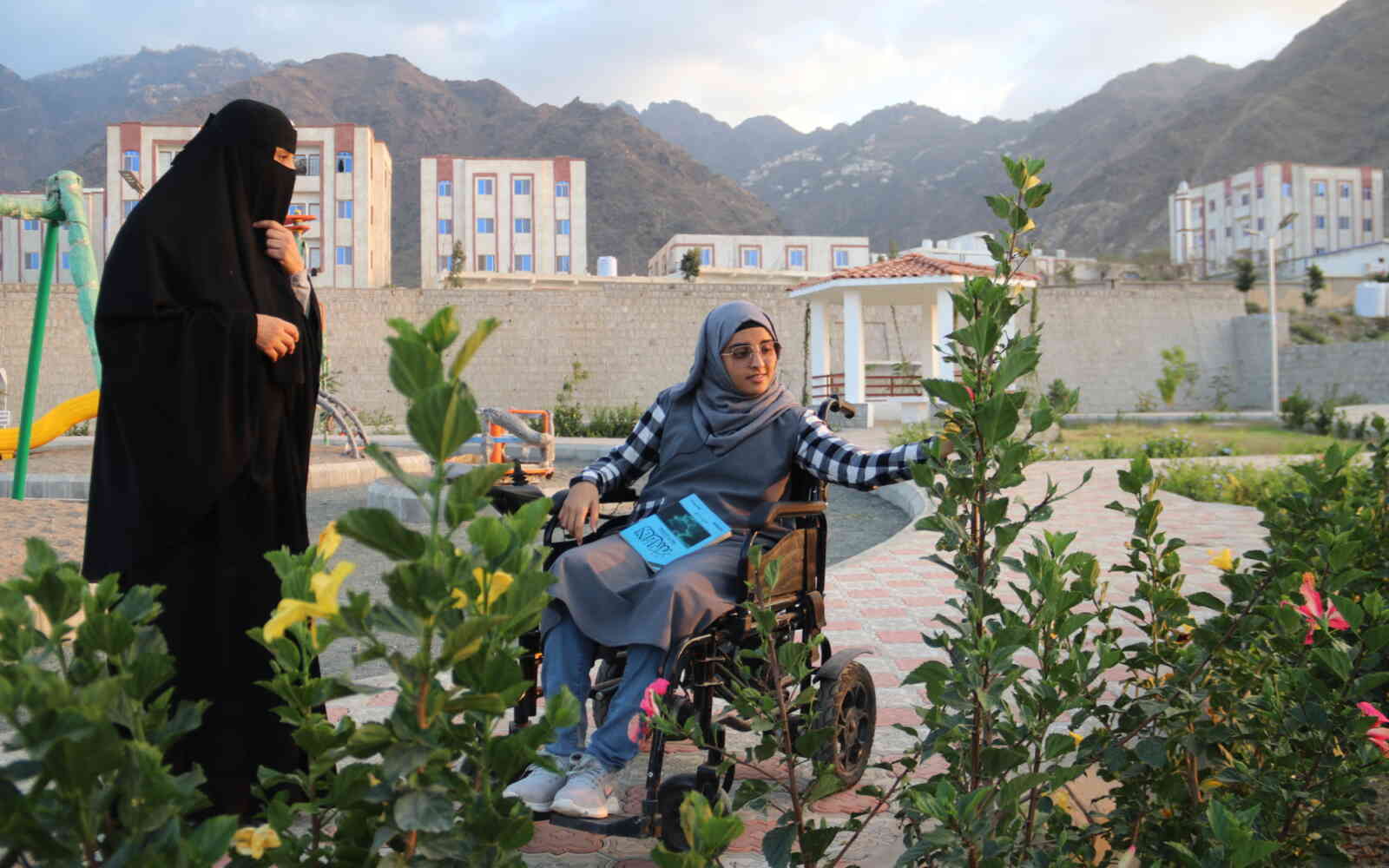
In Yemen, where more than 60 per cent of the population remains in need of humanitarian assistance, UNOPS contributes to restoring rural infrastructure and urban services. By installing solar power in hospitals, schools and homes, and rehabilitating damaged roads and infrastructure, we provide millions with reliable access to essential services and renewable energy, even as the situation remains dire.
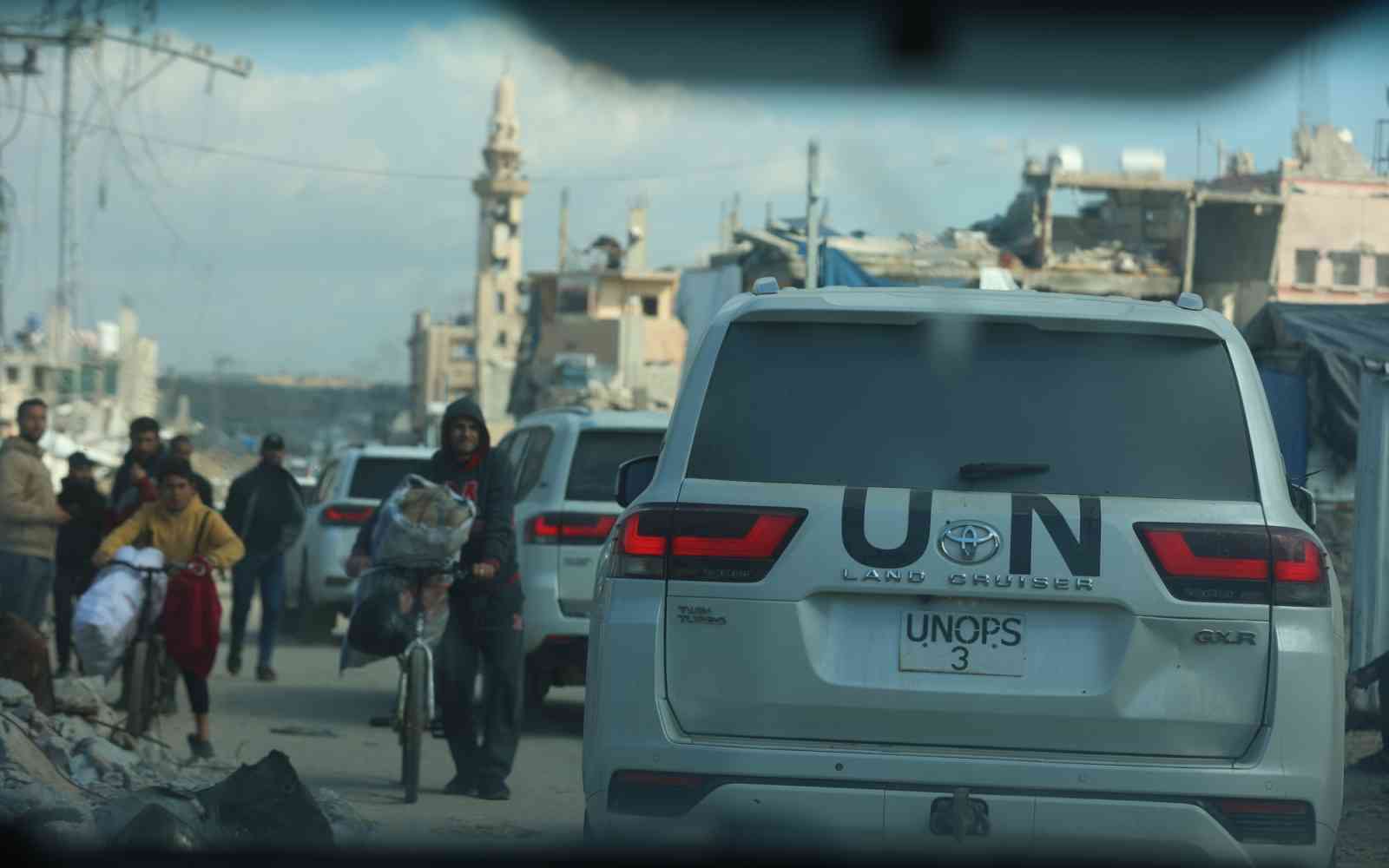
In Gaza, where crossings were closed following this recent escalation, authorities reopened the Kerem Shalom/Karem Abu Salem crossing on 3 March, allowing UNOPS to bring in and distribute over 400,000 litres of fuel for humanitarian purposes – a vital move welcomed by the UN to sustain life-saving services. UNOPS also operationalizes the UN 2720 Mechanism to accelerate and monitor the deliveries of humanitarian supplies and runs the Access Support Unit which enables access for the humanitarian community. While we remain on the ground providing fuel distribution, enabling access of humanitarian personnel, and supporting mine action, our ability to scale operations effectively is strictly contingent on unimpeded and predictable border access.